Perspectives Papers

Perspectives Papers provide analysis from BESA Center research associates and other outside experts on the most important issues pertaining to Israel and the Middle East.

View Archive

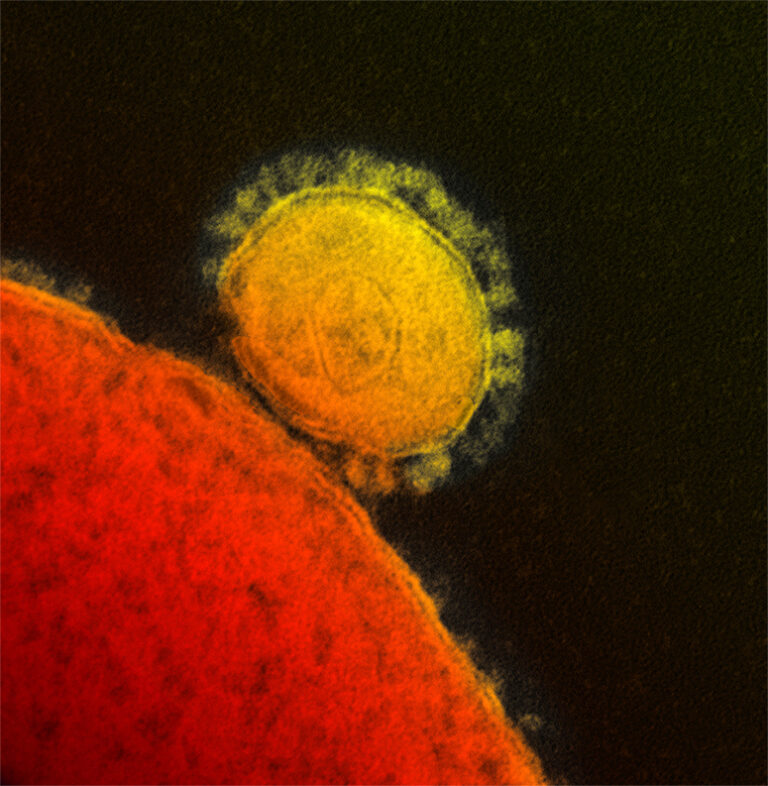
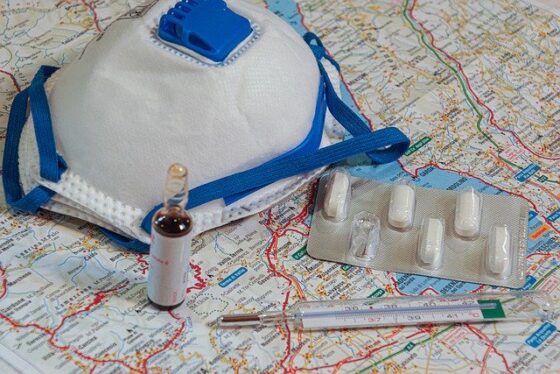
The coronavirus (COVID-19) pandemic is causing an online revolution—one that provides opportunities but also creates risks. Surveillance of infected and quarantined individuals through mobile applications is helping to slow the spread of the contagion, but contains an implicit threat to privacy. Cybersecurity is being tested as hackers look for ways to use the unprecedented situation to strike governments, companies and individuals. 
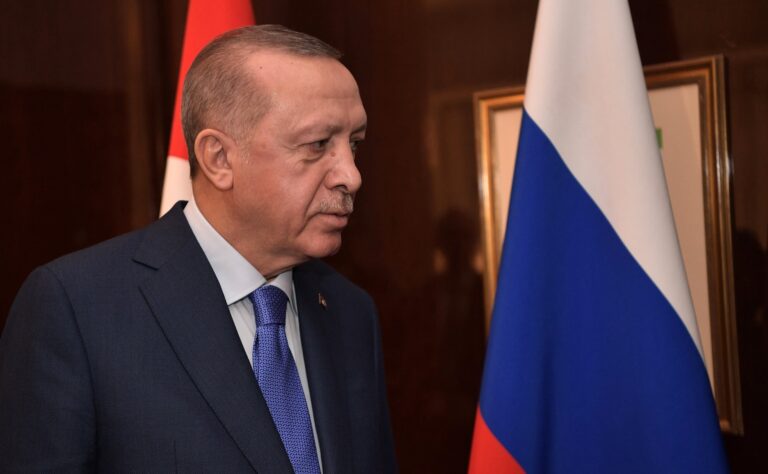
Turkish president Recep Tayyip Erdoğan is at odds with just about everybody. He is on opposite sides with Russia in Syria as well as Libya and is trying the patience of his US and European allies. Turkey and Russia are testing the limits of what was always at best an opportunistic, fragile partnership aimed at capitalizing on a seemingly diminishing US interest in the Middle East, already evident under President Barack Obama and continuing under Donald Trump, who is haphazardly redefining what he sees as America’s national interests.
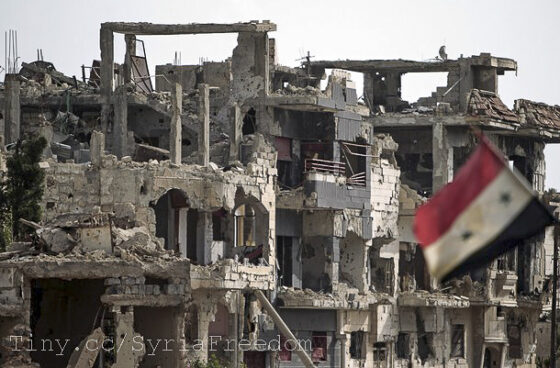
After a three-and-a-half-year marriage of convenience, Turkey and Russia have come to realize that they are fighting on opposite sides of two proxy wars: one in Syria and the other in Libya. This comes after Russia sold Turkey $2.5 billion worth of S-400 air defense systems, won a multibillion-dollar nuclear plant contract, signed up for a lucrative natural gas pipeline, and widened the gap between NATO and its part-time member Turkey.
When PM Benjamin Netanyahu said, in a March 21 TV interview, that “with God’s help we’ll get through” the coronavirus crisis, the interviewer interrupted him with these words: “With the help of the Weizmann Institute…The modern Temple of Zionism is at the Weizmann Institute.” This exchange reveals the gap between the modern state’s promise of efficient management even in the face of great adversity and the elements of randomness and surprise that can render the most powerful and advanced states helpless.
When President Donald Trump and other medical professionals touted the decades-old antimalarial drug hydroxychloroquine as a possible means of fighting the coronavirus pandemic, the Israeli generic drug giant Teva (the most popular big pharma stock on Wall Street) immediately announced that it will provide 10 million doses of its hydroxychloroquine drug to US hospitals free of charge. Rep. Rashida Talib and her fellow American detractors of Israel who claim that Israel does nothing but take from the US owe Israel an apology.

Accessibility Toolbar