Uncategorized

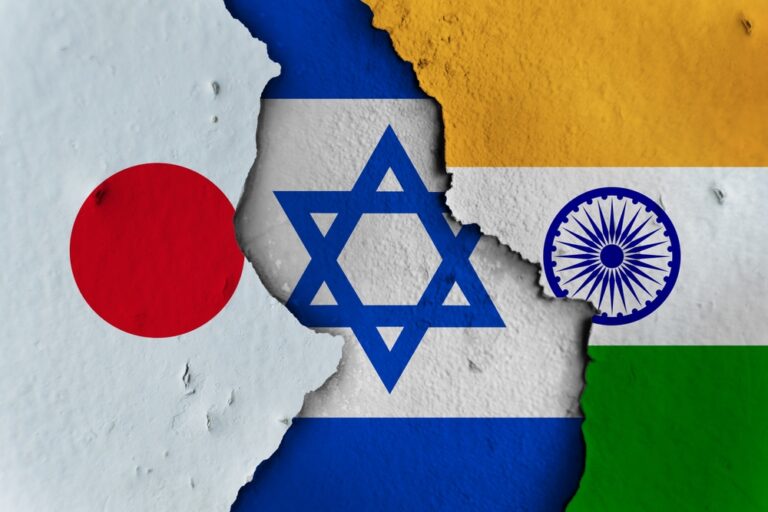
Hamas's surprise attack on October 7 and the Swords of Iron War that followed have implications for the countries of the Indo-Pacific. On the one hand, China has clearly taken an anti-Israeli stance. It has essentially abandoned its neutral position in the region, stood against the United States, and strengthened the China-Russia-Iran-North Korea axis. But India, as well as Japan and South Korea to some extent, have stood by Israel’s side. This represents a clear expression of the (mainly security-related) rapprochement that has occurred among India, Japan, and Israel in recent years. It also reflects growing concern about the strengthening anti-Israel axis and raises questions about global stability and the future of Taiwan. Another issue troubling these countries is the potential impact of the war on energy stability.
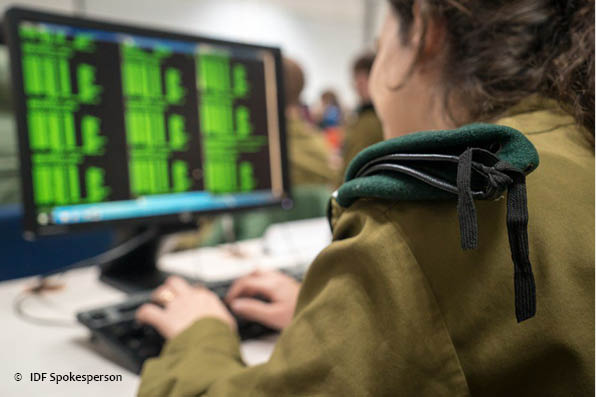
Unit 8200 in the IDF - © IDF Spokesperson
After Israel’s disengagement from the Gaza Strip and the entrenchment of the Hamas terrorist organization there, a war of attrition commenced between Hamas and Israel that has lasted for almost two decades. As Israel’s defense doctrine leans heavily on technological superiority, it has depended primarily on its numerous technological assets to manage this conflict. By contrast, Hamas, which is significantly disadvantaged in terms of technology, has pursued a strategy designed to neutralize Israel’s technological superiority through the use of terror tactics against civilian populations and the employment of low-tech and readily available means of warfare. The success of the surprise attack initiated by Hamas on October 7, 2023, demonstrated that Israel’s overreliance on technology in a conflict like this one was a flawed and even perilous concept.
The 9/11 attacks that sparked the rise of Islamophobia in America attracted many American Muslims to the Democratic Party, which expressed solidarity with their battle against anti-Muslim bias. However, the support of the Democrats for LGBTQ and other progressive trends over the last decade has challenged that alliance, with many Muslims refusing to align with concepts that explicitly contradict basic Islamic values. Are the latest clashes over the LGBTQ agenda a sign of cracks in the alliance, or possibly even a rupture?
China has become a major player in the MENA region, and its soft power projection strategy plays a key role. Confucius Institutes are a highly visible manifestation of this strategy, and they have been welcomed by many in the region and beyond. However, there are concerns about their lack of transparency and potential to be used for propaganda purposes. While these concerns have caused Western governments and institutions to close several Confucius Institutes down, their numbers continue to grow in the MENA region.

Accessibility Toolbar