IDF

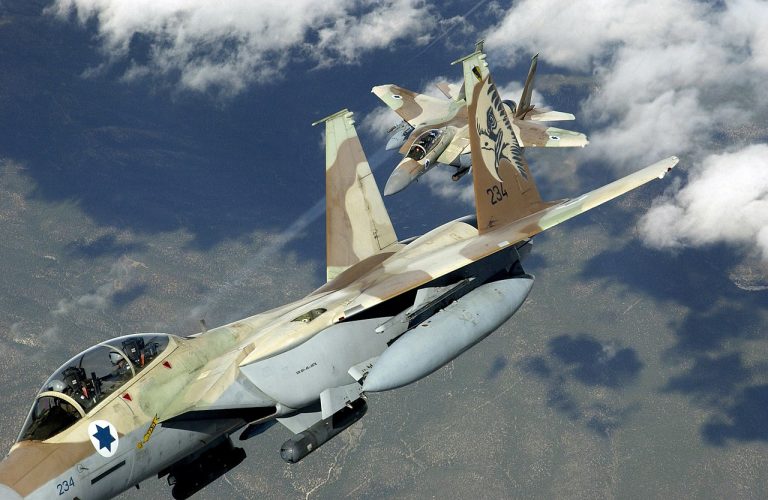
The “War Between Wars” is an ongoing Israeli military and intelligence effort to disrupt the force build-up of the Iranian-Shiite axis throughout the Middle East. This campaign, which has evolved into an entire force activation doctrine, has seen the Israeli defense establishment employ an approach that differentiates between Syria and Lebanon. 
The Israeli military’s state of readiness has dramatically improved, but it has a lot more catching up to do. It has spent years neglecting the ground forces – and those forces will be essential if enemies like Hezbollah are to be decisively defeated.
Last summer’s events in the Gaza Strip cast serious doubt on the feasibility of a complete Israeli withdrawal from the West Bank, as the proximity of that area to Israel’s main population centers and economic/strategic assets ensures its transformation into the main combat zone should it undergo a militarization process similar to that experienced by Gaza and Lebanon. The question is whether the IDF has an effective response to the advent of parallel major threats on several fronts.
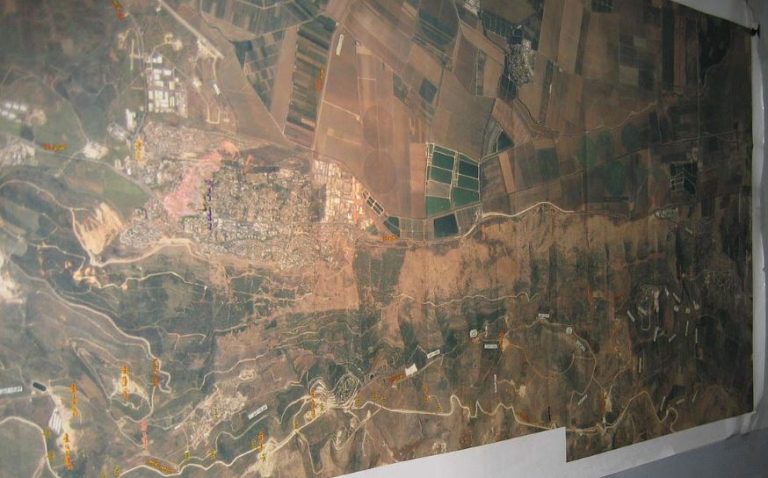
Israel’s decisions a) to contain Hamas’s continuous provocations rather than use them as a casus belli and b) to refrain from an immediate military response to the discovery of Hezbollah tunnels into Israeli sovereign territory in the northern Galilee highlight the issue of deterrence as a core factor affecting the Israeli image in the region. Assuming the current Israeli modus operandi is the product of rational and thoughtful staff work, it can be inferred that deterrence is no longer either a decisive factor or even a strategic goal in the asymmetric conflicts with Hamas and Hezbollah.
The Institute for National Security Studies (INSS), led by Maj. Gen. (res.) Amos Yadlin, recently issued “A Political-Security Framework Strategic Action Plan for the Israeli-Palestinian Arena.” The gap between the INSS initiative and the basic principles expressed by PM Yitzhak Rabin is such that one might assume Rabin would have been fundamentally opposed to the initiative.
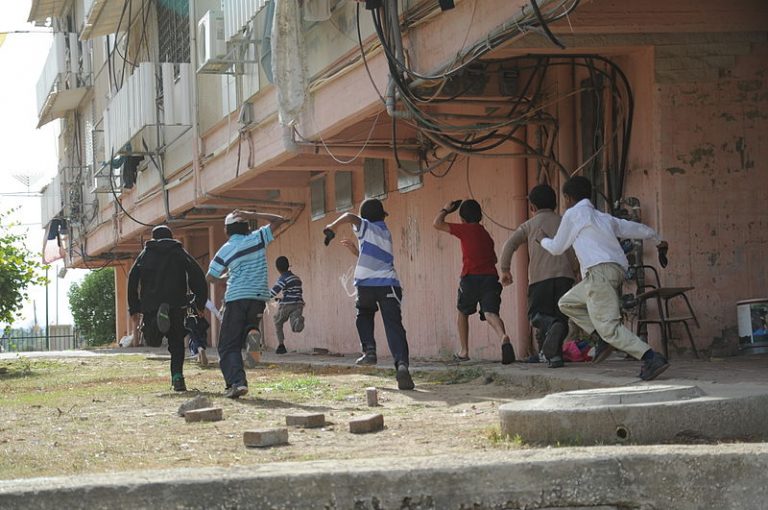
The recent round of fighting between Israel and Hamas was seemingly sparked by the exposure of an Israeli special forces team during a covert operation in Khan Yunis. The Hamas leadership, which apparently is not interested in war, nevertheless chose to respond by escalating to the very brink. Why has the Israeli government refrained (yet again) from instructing the IDF to settle the Hamas threat?
For over a decade, Israel has avoided deciding whether its interests are better served by maintaining the current “two Palestinian states” status quo, or by seeing Gaza rejoin the Palestinian Authority. The result is an untenable, chronic-crisis situation that empowers Mahmoud Abbas and is a lose-lose situation for Israel.

Accessibility Toolbar