IDF

Only in the “Israeli occupation” could such an event have taken place: an Israeli officer and his NCO, standing near a home in a village near Ramallah, stood passively as they were verbally assaulted, slapped, and kicked. The IDF must not only not adopt a turn-the-other-cheek doctrine but should prosecute those involved in such provocations to the fullest extent of the law.
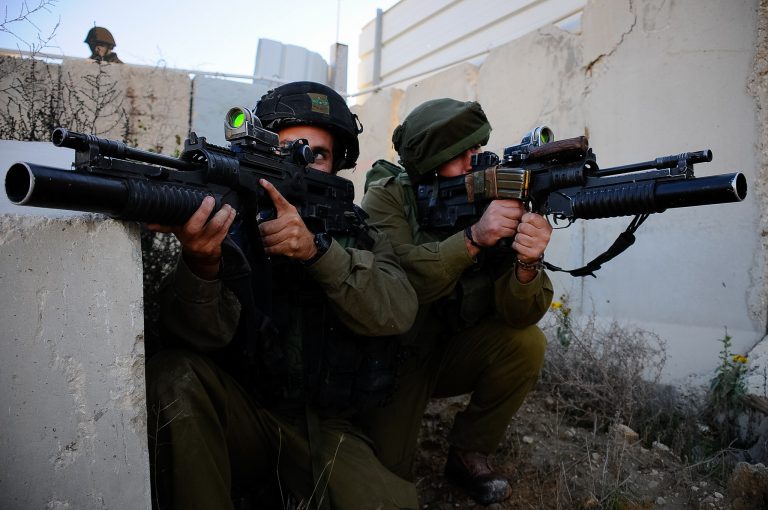
The need to engage enemies embedded in urban combat zones, megacities (metropolitan areas with more than 10 million inhabitants), and other populated regions is a challenge that is set to become increasingly prevalent for security forces around the world. Israel has amassed significant experience in this area. With that in mind, representatives from 12 NATO countries recently visited Israel to take part in a first-of-its-kind conference on the challenges of urban warfare and combat in populated areas. 
Truces with Hezbollah and Hamas are enabling the IDF to focus on combat training and force build-up programs as part of Chief of Staff Lt.-Gen. Gadi Eizenkot’s push towards a high state of war readiness. The need to achieve consistent war readiness is based on the assessment that the Middle East of the future will be significantly more dangerous, less stable, and more complex than it is today, due in part to the proliferation of powerful weapons throughout the region. The IDF must be in a position to deal simultaneously with multiple fronts, near and far, and be able to defeat both non-state and state actors.

Measured IDF policy towards the Palestinians does not reflect leftist leanings in the IDF high command or fear of the ICC. The main driver of IDF policy is a sensible cost-benefit analysis. The benefits of a much harsher line, in terms of reducing the current occasional pattern of violence, are uncertain, but the costs would certainly be high – not least in terms of opportunities to boost Israel's relations with key players around the world. These considerations have now withstood the test of the dramatic events on the Temple Mount, and proved as relevant as ever.

Accessibility Toolbar