Russia

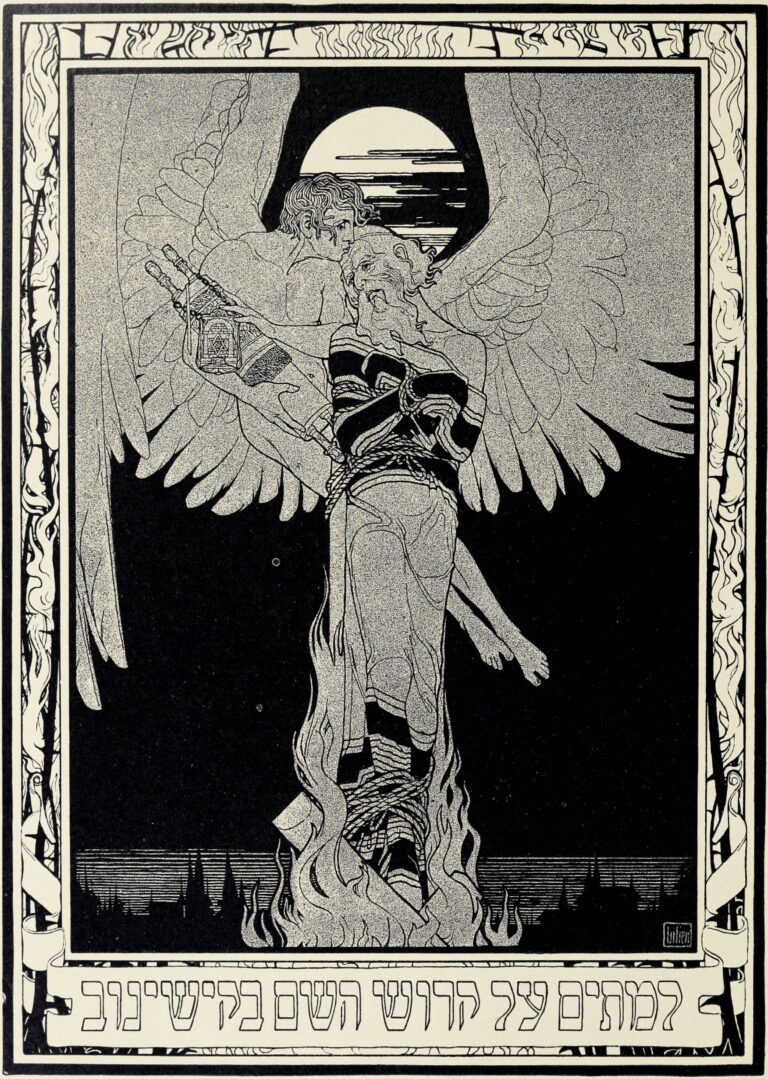
Historians covering the Russo-Japanese War of 1904-05 tend to focus on the strategic and regional ramifications deriving from the unexpected victory of the Japanese. Less attention is paid to the motives behind Japan’s decision to launch a surprise attack on Russia. An article written in 1935 by Israeli historian Prof. Joseph Klausner may solve this mystery. Based upon the testimony of a Japanese intelligence agent, the article points to the 1903 Kishinev pogrom as the decisive factor that led the Japanese to initiate war with Russia. 
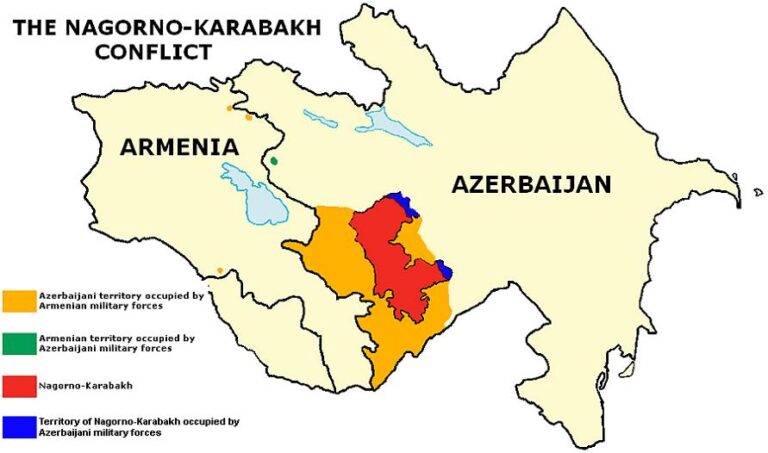
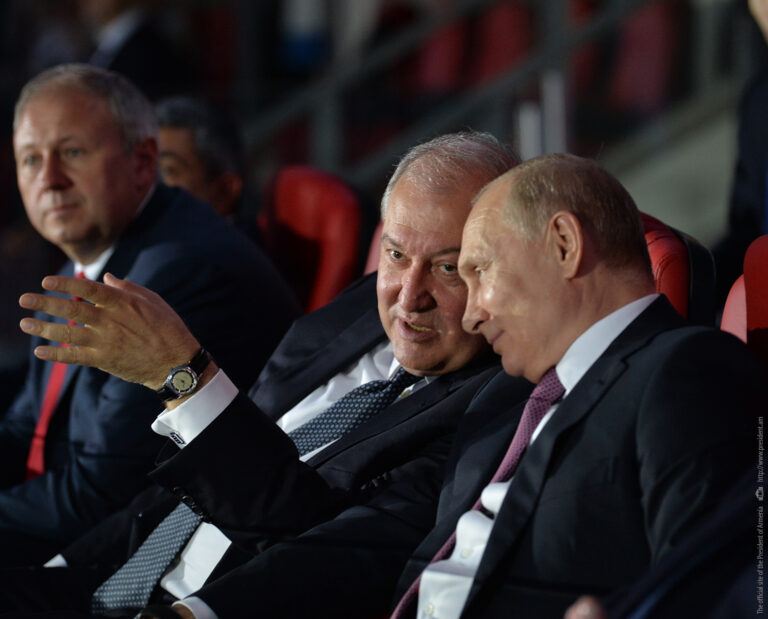
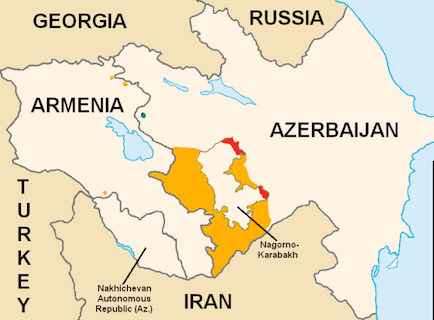
There are signs that the current escalation between Armenia and Azerbaijan, far from being incidental to the Nagorno-Karabakh conflict, is driven by Russia’s and Iran’s economic warfare against a competing state and the need to return Europe to dependency on their oil and gas in light of US sanctions. Armenia benefits from the bellicose activity thanks to a sophisticated information warfare campaign in a heated US election year that has been unmatched thus far by Azerbaijan. But Baku can still turn its underdog position around by pursuing an assertive and affirmative policy against aggressors on military, political, media, and legal fronts.
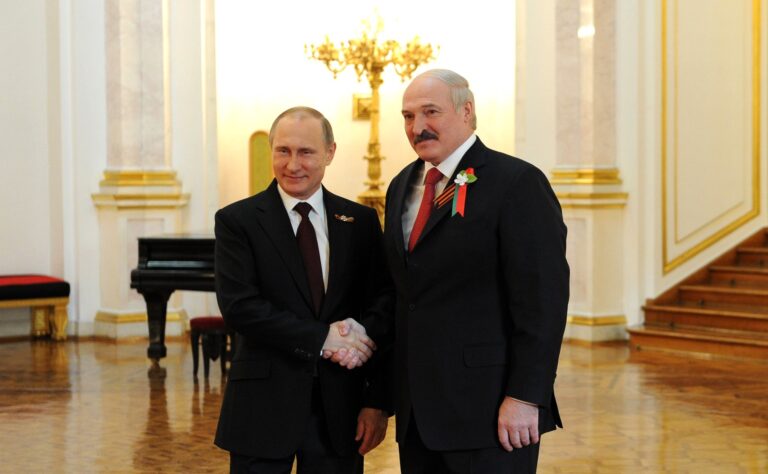
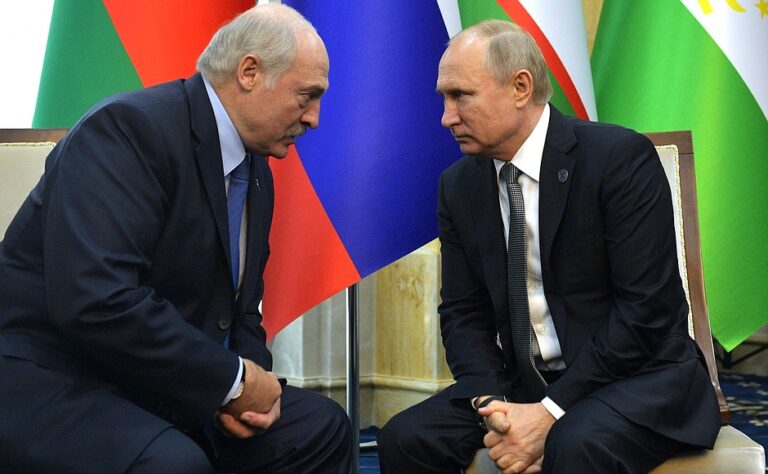
Alexander Lukashenko’s days as the autocratic president of Belarus are clearly numbered, and Russia will likely play a key role in his exit. What is less clear is just how that exit will come about and what role the neighbor to the East will play. Recent history provides us with a few possible scenarios.
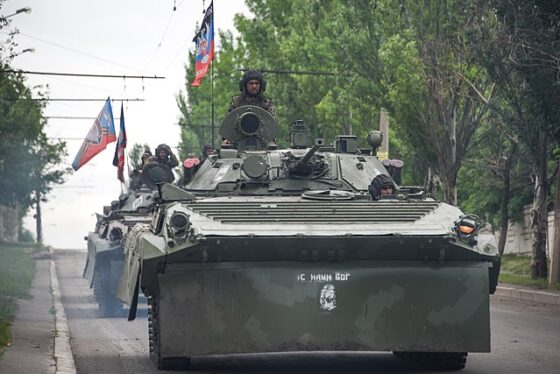
For geopolitical reasons, Russia has been building a chain of separatist states near its borders since the 1990s. However, as Russia’s economy worsens, competition with the West is increasing. As the “breakaways” grow ever more predatory, Moscow is having a difficult time managing geographically diverse separatist regions all at the same time.
Turkey and Russia are embroiled in separate proxy conflicts on multiple fronts in Syria and Libya, but could be on a collision course in the complex political landscape of Yemen. This can be avoided if Turkey does not try for an aggressive Islamist takeover and respects Russia’s desire to share gas profits, exercise political influence with whatever factions end up dominating the sphere, and retain access to strategic waterways.
Russia’s position is crucial in the unfolding US-China competition. There are two likely scenarios. In one, Russia is able to maneuver between the powers and score geopolitical goals in its neighborhood and in the Middle East. In the other, Russia is cast by the West as an outright enemy, leaving little room for compromise and allowing the country to fall further under Chinese influence.
Oil relationships are as unstable and volatile as romantic ones. Following a deadlocked OPEC summit in February, Moscow and Riyadh announced they would ramp up production, sending already low prices tumbling. Since both countries’ budgets are almost entirely dependent on energy exports, this suggests they have decided geopolitical interests trump purely economic ones.
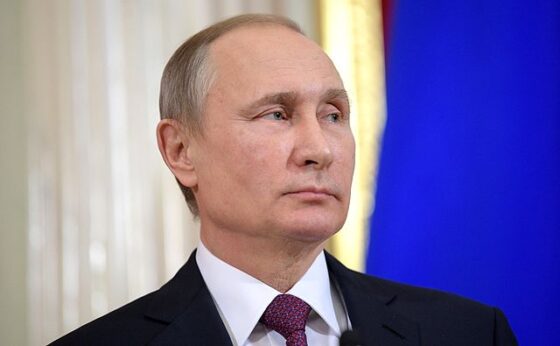
The recent “backpacker deal,” the Crimean Peninsula annexation, and Russia’s Sochi Olympic Games are all examples of Vladimir Putin's global “smart power” strategy, which combines soft and hard power. In winning Russian sovereignty over the Jerusalem complex containing the Church of the Holy Sepulchre, he scored a significant soft power win.

Accessibility Toolbar