Russia

As Russia increases its geopolitical involvement across the globe, the concept of “Global Russia” has been gradually taking hold. Though Russia is inherently weak, it is likely that Moscow will continue its global initiatives throughout the 2020s. Only by the end of that decade and into the next is there likely to be a gradual decline in Russia's adventurism abroad.
Russia and China are widely perceived as the rising powers in the Middle East as a result of America’s flip-flops in Syria and President Donald Trump’s transactional approach to foreign policy. This perception also reflects an acknowledgement of Russian and Chinese support for regimes irrespective of how non-performing and/or repressive they may be. But they could both ultimately find themselves on the wrong side of history in an era of global breakdown of popular confidence in political systems and incumbent leadership and increasingly determined and resourceful protests.
It has become fashionable to link Russian foreign policy moves of the past 20 years solely to President Vladimir Putin and his close associates. But what is viewed as innovative is in fact an intensification of much older policies that long preceded Putin’s rise to power.  
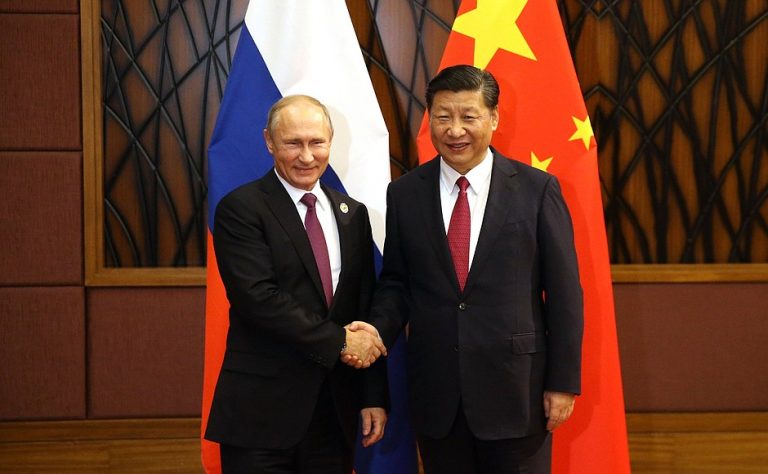
Many believe the Russian-Chinese partnership, which functions across a variety of economic and political spheres, is only temporary. But Moscow’s disenchantment with the West, and the redirection of its foreign policy toward Beijing and beyond, is rooted in Russian historical thinking. The disagreement between Russia and the West is a full-scale geopolitical separation.
Russia is historically prone to internal collapse, as is shown by numerous examples from both the imperial and Soviet periods. The collapse usually takes place as Russia rests on the laurels of recent military victories while internal economic and social troubles grow. History teaches that the best way to deal with Russia is to keep intervention to a minimum and wait for its internal troubles to bring about its collapse.
The fatal explosion that occurred recently during testing of the Russian Burevestnik nuclear cruise missile raises many questions. Could it have been avoided? Was it a fundamental failure of the ambitious armaments plan declared by President Putin in 2018? Whatever the answers to these questions, the renewed trend toward an unconventional armaments race could deteriorate into a second Cold War.
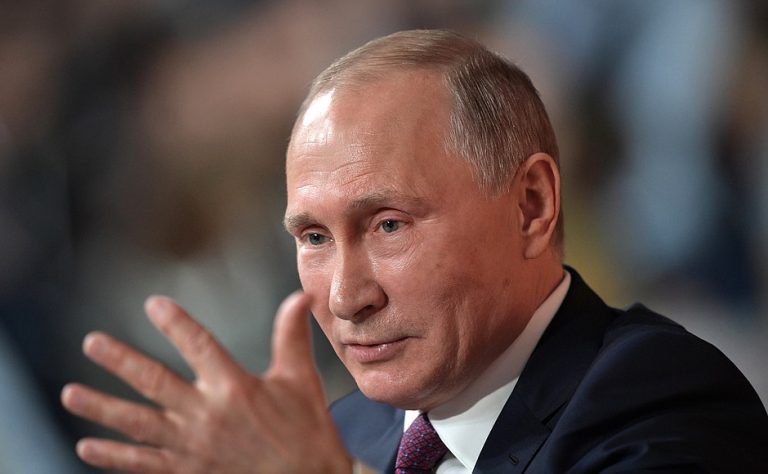
Vladimir Putin’s government might be proud of many internal as well as foreign achievements, but strategically, Russia has fallen well behind the West. Putin is partly to blame, though titanic shifts in world politics and Russian history have dwarfed his ability to influence events. Russia’s geography and poverty also limit his ability to pull off grand reforms inside the country.
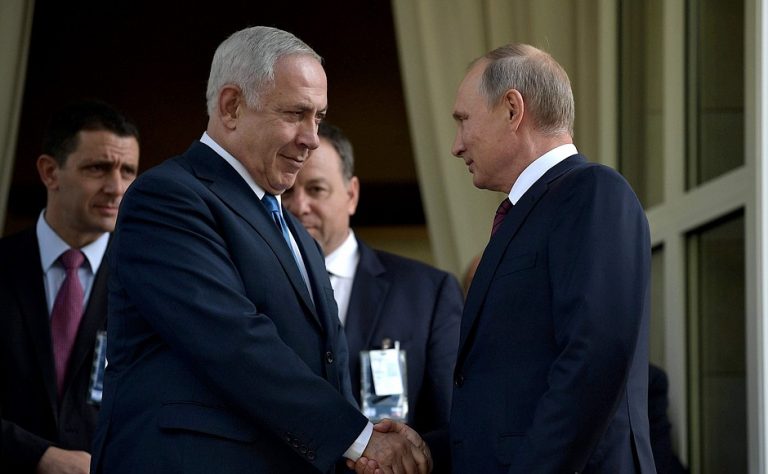
Russian soft power efforts in the Middle East are bearing fruit, as many young Arabs now view Moscow as an ally and the US as unreliable. Russia wants to build more ties with the Muslim world and views Trump’s presidency as an opportunity in that regard. This ambition is tempered somewhat by the Muslim jihadist threat in Russian areas and, of course, the painful legacy of the war in Afghanistan.

Accessibility Toolbar