Russia

Notwithstanding the seeming friendship between Chinese president Xi Jinping and Russian president Vladimir Putin, and the growing congruence of both countries’ interests in undermining the US-led international order, relations between Russia and China remain at their core as brittle and prone to mutual suspicion and distrust as they have in the past. It is not unreasonable to expect that that underlying animosity will erupt into violence in the relatively near future.
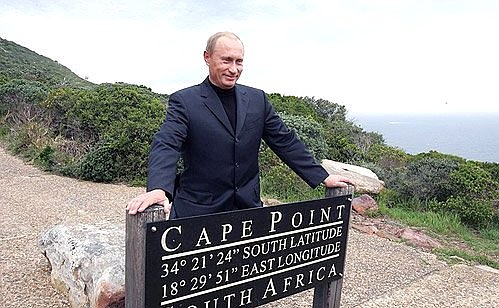
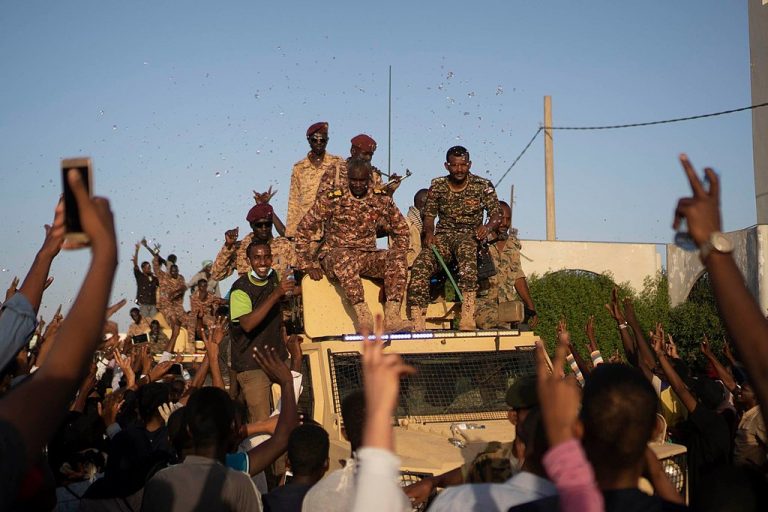
Both China and Russia have increased their influence on the African continent through money, diplomacy, and other measures – efforts that go directly against US interests. Washington has paid little attention to Africa and will find it difficult to compete with Moscow and Beijing, particularly as other geopolitical theaters require its immediate attention.
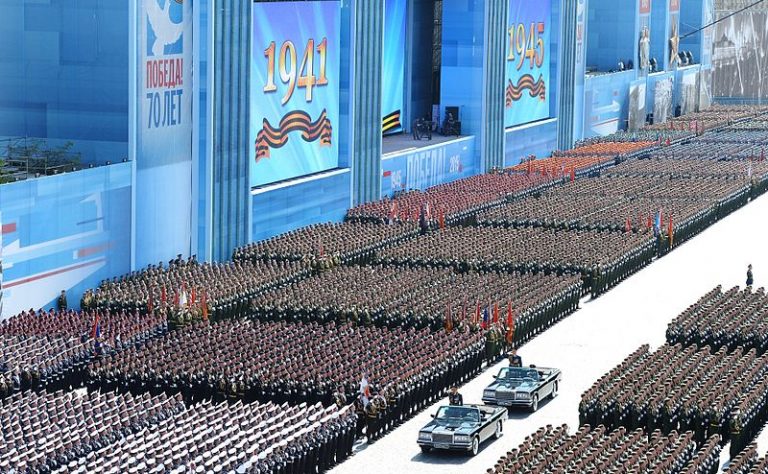
Mass mobilization saved the Russian state on many occasions in past centuries, proving effective against Charles XII, Napoleon I, and Hitler. The Russians are still inclined toward mass mobilization, even though modern wars tend to be more short-term. The large-scale military spending required to sustain mass mobilization will create additional problems for the already embattled Russian economy.
With Israel set to host an unprecedented meeting of the national security advisors of the US, Russia, and Israel, this week’s efforts by German FM Heiko Maas and Japanese PM Shinzo Abe to mediate between the US and Iran could prove to be but a sideshow. The meeting of the national security advisors, against the backdrop of Syrian and Russian forces pummeling Idlib, the last major stronghold of Syrian rebels, takes on added significance with strains emerging in relations between Moscow and Tehran.
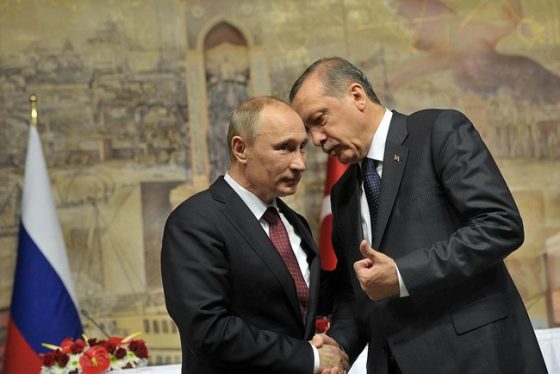
The first-ever NATO member state to shoot down a Russian military jet has willingly fallen in line with Vladimir Putin’s “Turkish Gambit,” a strategy designed to drive a deep crack into the NATO alliance.
Mainstream analysis of Russian foreign policy decision-making often neglects to factor in the influence of the Russian elites. Despite the inclination of the current Russian government to centralize, elite groups continue to exert considerable influence. Their support for the government is crucial for Vladimir Putin, and their disenchantment with him would be fatal to his rule.
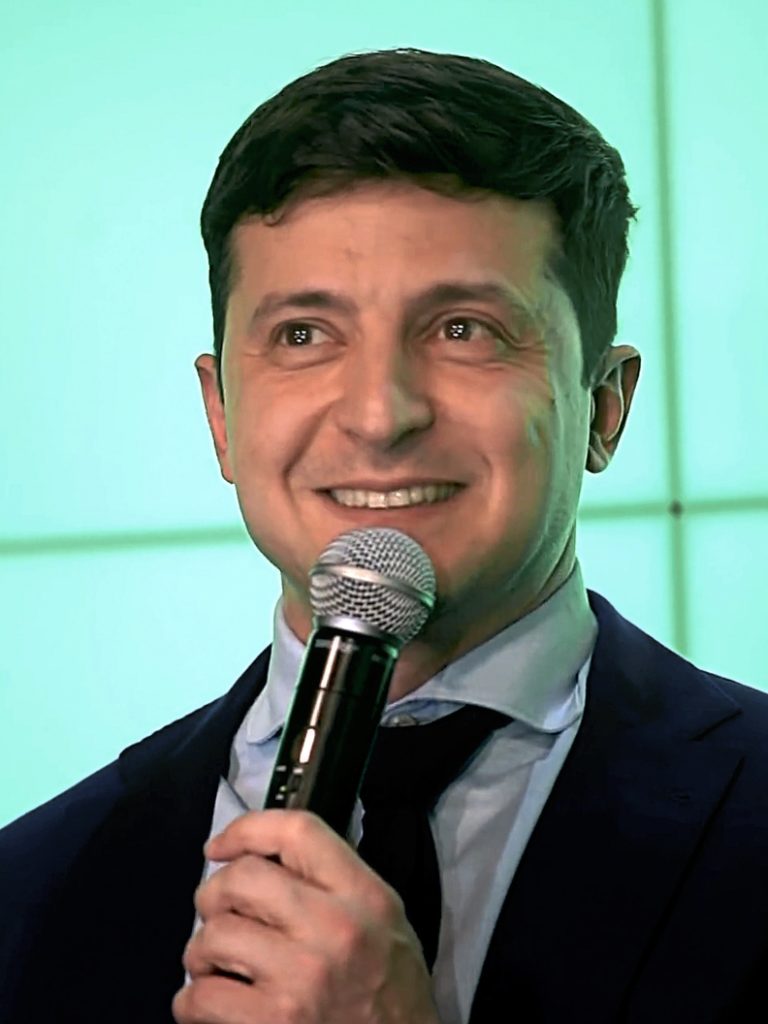
Ukraine has a new president, 41-year-old Volodymyr Zelensky. While some argue that Kiev’s policy toward Russia is now likely to undergo a significant positive change, geopolitical realities suggest the opposite. Ukraine-Russia relations might in fact worsen now that Moscow has eased the citizenship process for Donbas residents.
Hints from the Russian media show that more and more Russians are starting to question Moscow’s foreign policy during Putin’s 19 years of rule. Russia needs to reevaluate its position in the world: Should it focus only on the former Soviet space, or should it expand its vision of itself in a world where it might play a much grander role?

Accessibility Toolbar