Russia

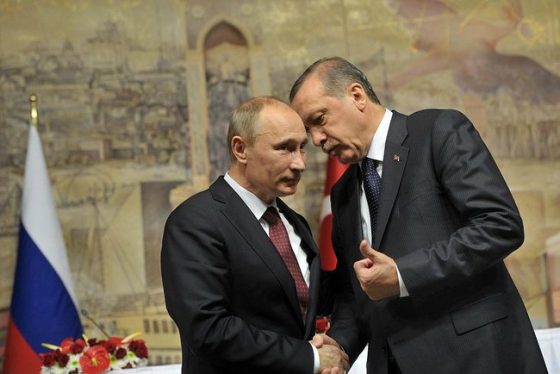
Q: In the aftermath of the failed coup d'état of July 2016, Turkish President Recep Tayyip Erdoğan is embarking on an attempt to improve Ankara’s relations with non-Western countries to avoid international isolation. The Russian-Turkish rapprochement is a characteristic example. As the EU and the US criticize Erdoğan for his domestic and foreign policy choices, he regularly meets with his Russian counterpart, Vladimir Putin, to discuss new patterns of cooperation. BESA join the debate by asking the experts: What are the implications of the Russian-Turkish rapprochement?
Because nations have complex histories that mold or mar them, what geopolitical lessons and historical lessons can we draw from Russia’s previous military interventions? Has the historical relationship of Russia with the Baltic states been conditioned by a clash of civilizations as claimed by some Baltic thinkers? If so, how does this factor into the present tensions? What role does the sizable minority of Russians in the Baltic states play in the Kremlin’s policy-making? How can strategic military savvy and diplomacy aid in preventing the escalation of present tensions in the Baltics into full-scale war?
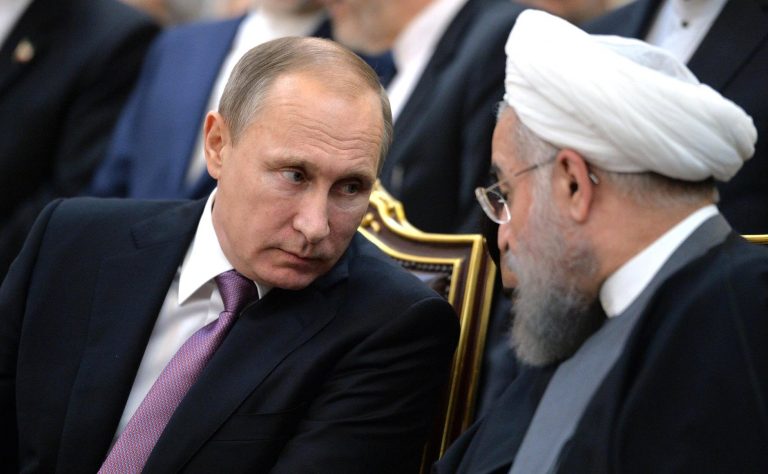
Russia and Iran have been geopolitical rivals for centuries – but over the past couple of years, the Moscow-Tehran axis has grown exponentially. This creates major headaches for the US and other western powers that are concerned about how far this cooperation could go. The two powers share common interests in the South Caucasus and the Middle East, but are wary of one another’s growing influence in their own backyards.
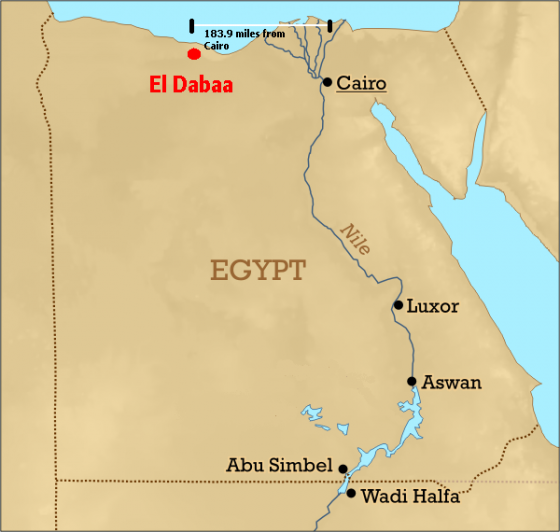
The long-term agreement recently signed between Russia and Egypt to build a nuclear power plant at El-Dabaa is aimed at improving Egypt’s electricity sector and has no direct implications for the development of nuclear weapons. It is, however, likely to legitimize any future attempt by Egypt to build a uranium-enrichment or nuclear-fuel-reprocessing facility. While Egypt has already gained significant experience in the nuclear field, neither its plans to develop a civilian nuclear power plant nor its efforts to develop nuclear weapons have yet borne fruit.
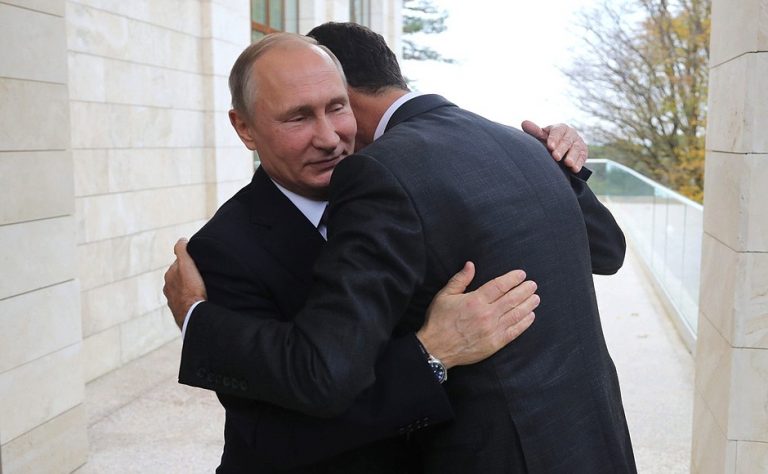
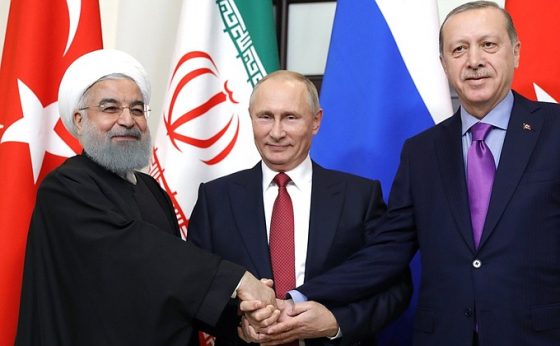
The victors in Syria and Iraq – Russia, Iran, Syria, and Turkey – are to meet in Sochi for a conference to discuss a peaceful conclusion to the Syrian civil war. The loser in Syria and Iraq – the US – will be conspicuously absent. The Americans’ adversaries were the beneficiaries of their own campaign against ISIS. Instead of the sheer folly of watching enemies free-ride on US might, the US should have exhausted Iran and Russia in the process of defeating ISIS.
Moscow’s intervention in the Syrian civil war boosted the reputation of the Russian military, afforded it valuable training, and enhanced Moscow’s political clout in both the conflict zone itself and the Middle East more generally. With that said, Syria threatens to become a quagmire for Russia, and Moscow is looking for an exit. This will be difficult to pull off as Russia faces considerable geopolitical constraints.
The Saudi Arabia-US partnership is a defining pillar of Middle Eastern geopolitics. However, increasing Saudi-Iranian hostility, recent changes inside the Saudi regime, and lingering questions over the consistency of the Trump administration’s support have led Riyadh to diversify its bilateral relationships. King Salman bin Abdulaziz’s historic four-day visit to Moscow in early October must be seen in this context. The Saudi-Russian rapprochement will likely have huge strategic and economic consequences for Middle Eastern geopolitics.
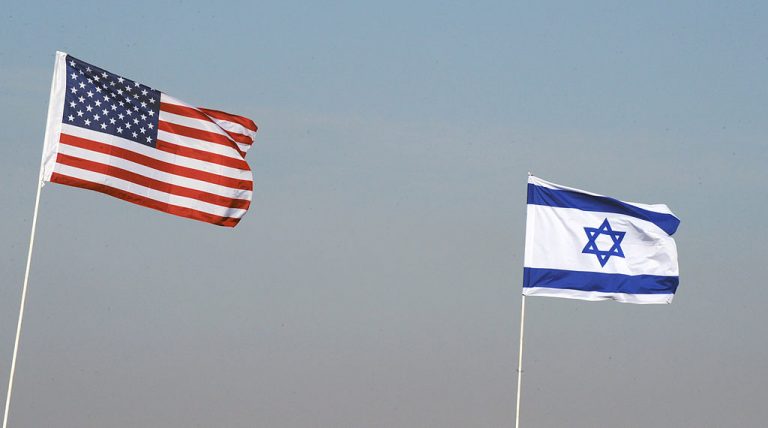
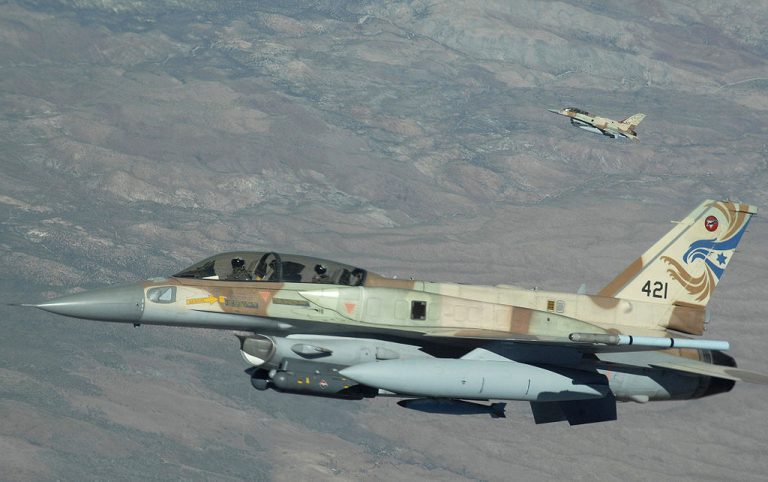
As a result of Moscow’s geopolitical considerations in Syria, chief among them the desire to avoid direct confrontation with the US and Israel, Russia’s air defenses in the region have assumed the tasks of political intimidation and reassurance. The Kremlin has issued warnings to both Israel and the US-led anti-ISIS coalition not to strike forces loyal to Syrian President Bashar Assad, but Russia is unlikely to attempt to engage Israeli or coalition aerial assets unless its own forces are attacked or the assets approach Russian military installations too closely. Even then, intercepting them will be no easy task. While Russia’s modern air defenses in Syria are formidable, they are not “game-changers.”
The conflict in East Ukraine has reached a frozen phase in which neither side is making many gains. Despite agreements, the conflict has not seen any meaningful breakthrough for more than three years. Geopolitical imperatives dictate that progress will be contingent upon either Russia or Ukraine (i.e., the West) conceding their interests. The Ukrainian problem is rooted in the geography of the country as well as in the consistent failure of Russia to leverage its involvement in Syria and other theaters for western concessions.

Accessibility Toolbar