USA

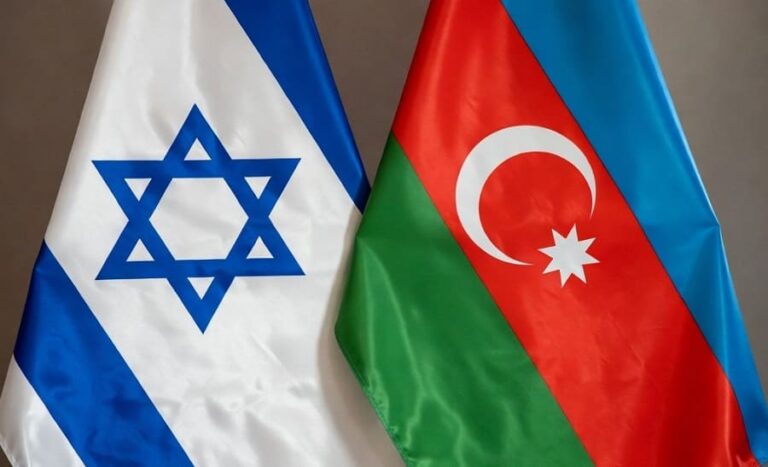
Israel Azerbaijan flags (AI)
The insights of this analysis allow a more detailed look at the Israeli-Azerbaijani strategic partnership. Drawing well-thought-out conclusions from this is even more essential for Israel, as many security-related issues depend heavily on the future trajectories of this important partnership. Following this, Azerbaijan’s value to the Jewish state will continue to remain crucial in the near future – even outside the Iranian issue and even if Baku remains outside the AAD.
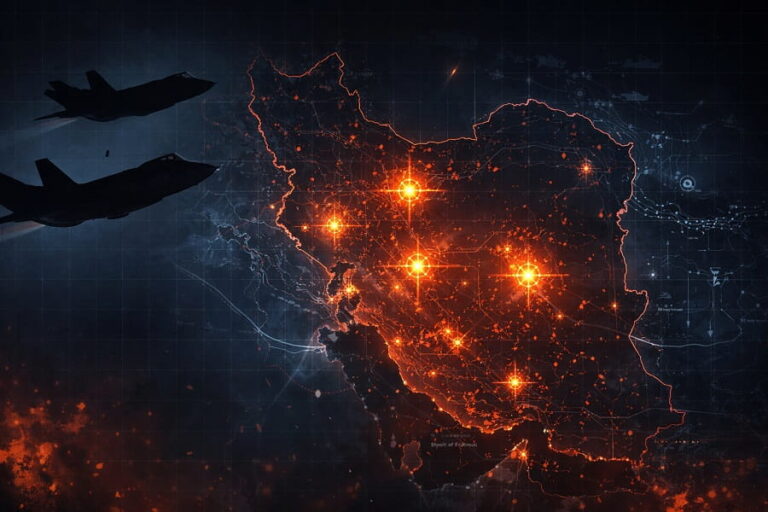
War in Iran (AI generated)
At the time this article was written, it was still unclear whether the White House intended to resume large-scale strikes on the infrastructure of the Islamic Republic of Iran — or whether it would heed the recommendations of the leadership of Pakistan, Qatar, and the UAE to continue negotiations with Tehran. It is clear that, in the event of a military decision, Israel would also join the United States — its leadership is unlikely to take such a step without a “green light” from Washington. For now, however, there appears to be no consensus on this issue within the U.S. president’s team.
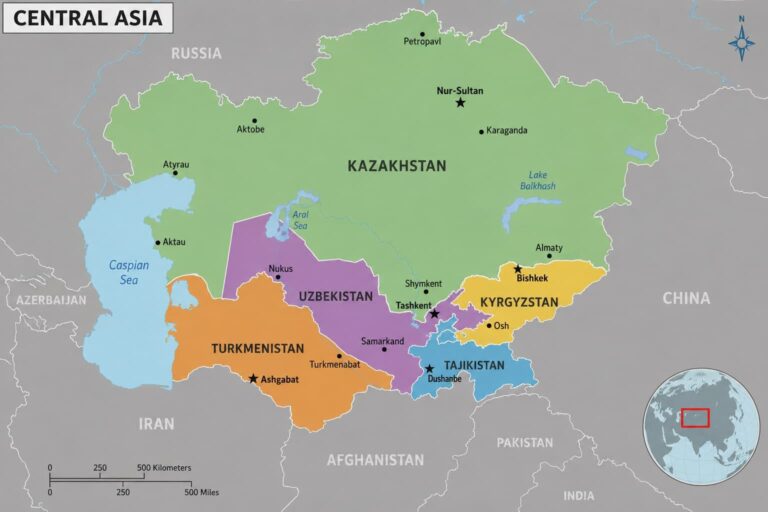
Central Asia (AI Generated)
For Israel, the Trump administration’s shift in Central Asia toward business-oriented initiatives and transactional diplomacy may prove broadly advantageous. Israel itself has pursued a comparable approach in the region. At present, Central Asian states are actively seeking to expand economic and diplomatic engagement with Israel. In this context, the administration’s operational style in the region can be seen as largely compatible with Israeli approaches.
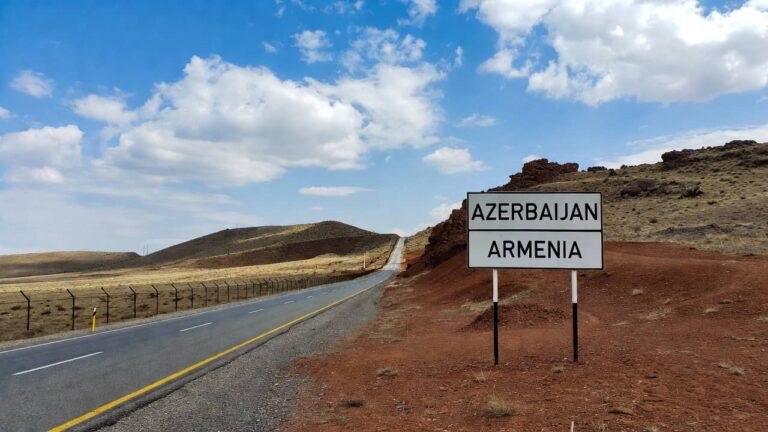
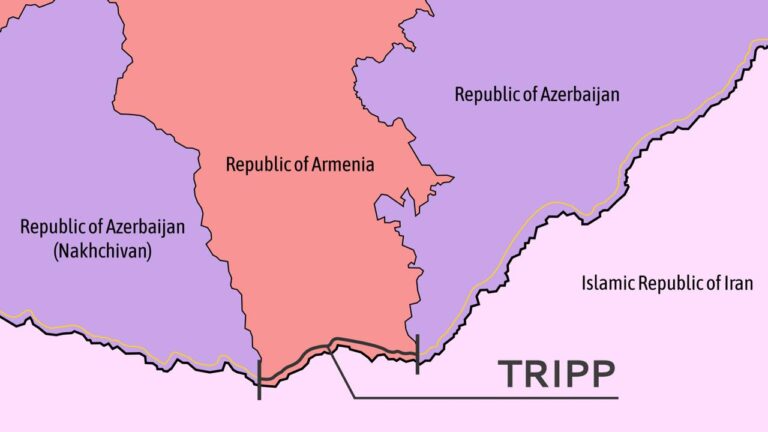
Azerbaija-Armenia road (AI Generated)
The February 2026 visit of U.S. Vice President JD Vance to Yerevan and Baku — the first time a sitting American vice president has set foot in either country — marks the consolidation of a deliberate strategic reorientation. Washington is moving to establish a durable presence in the South Caucasus at a moment when Russia’s credibility as a regional security patron has collapsed and Iran’s leverage over transit routes is under pressure. For Armenia, long considered Moscow’s most reliable client in the region, the moment is one of unusual and consequential opportunity.
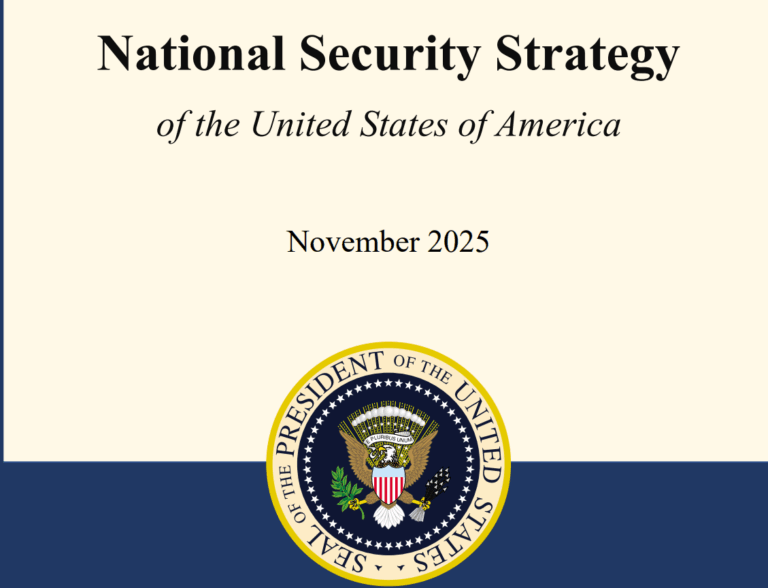
This paper explores how the 2025 U.S. National Security Strategy reframes American thinking on power, sovereignty, and conflict management in the post-Soviet space. Focusing on the practical logic embedded in the Strategy rather than its declarative language, it traces how a shift toward pragmatism, selective engagement, and economic priorities alters the environment in which regional conflicts unfold. The analysis invites the reader to reconsider familiar post-Soviet crises through a new strategic lens that emphasizes interests, leverage, and deal-making over ideology and institutional norms.
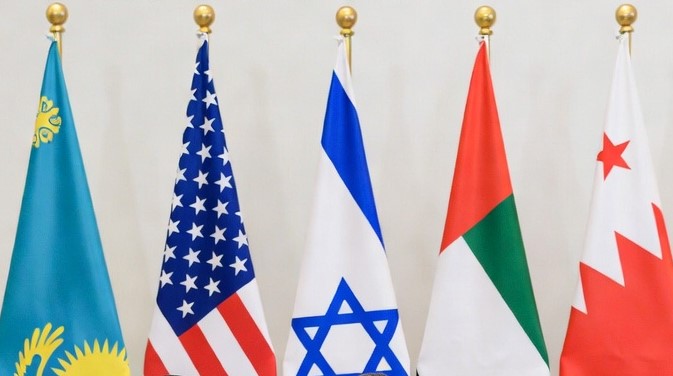
Kazakhstan in Abraham accords (AI generated)
Kazakhstan’s decision to join the Abraham Accords did more than place its signature on yet another international agreement. It re-arranged the mental map of Eurasia. Kazakhstan has just opened a new corridor of cooperation between the Muslim world and Israel, and between Central Asia and the West. If the United States is wise enough to follow through, the region may finally step into a more stable and prosperous era.
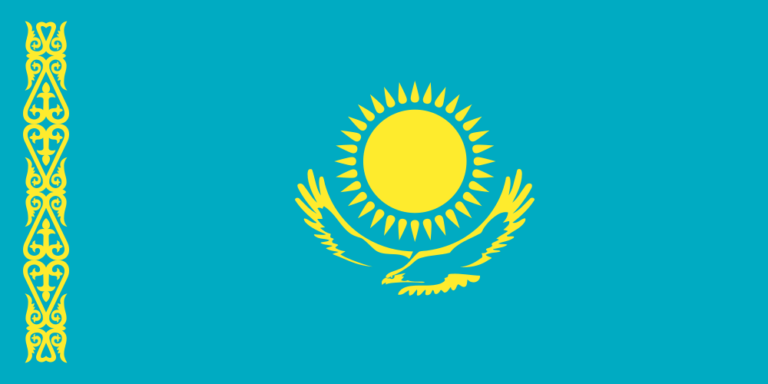
Flag of Kazakhstan
Kazakhstan’s endorsement of the Abraham Accords in November 2025 marks a carefully calculated step within its enduring multi-vector foreign policy. By aligning symbolically with a U.S.-backed initiative while maintaining balanced relations with Russia, China, and the Muslim world, Astana demonstrates both strategic agility and diplomatic foresight. This move not only strengthens ties with the Trump administration but also positions Kazakhstan as a pragmatic bridge between diverse geopolitical and cultural spheres.
AI illustration
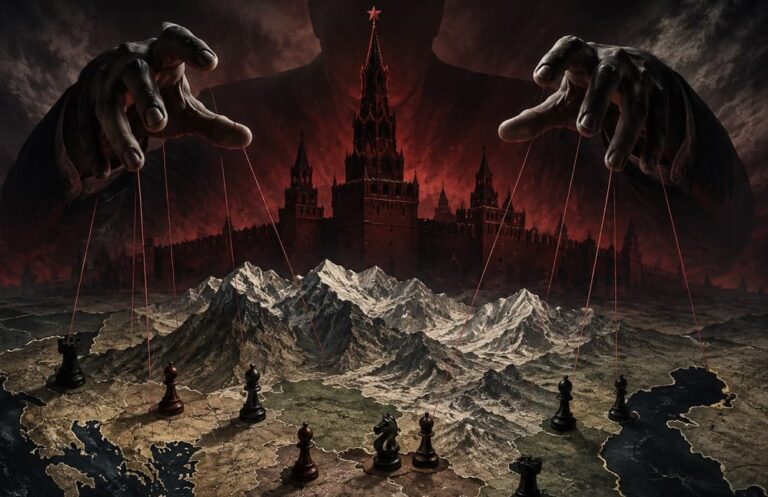
Since the initialing of the peace treaty text between Azerbaijan and Armenia, as well as the signing of the joint declaration by the two countries’ leaders in Washington on August 8, 2025, Russia has been escalating its information warfare in the South Caucasus. Using a “carrot and stick” approach, Moscow seeks to portray itself as a wronged party supposedly striving to improve relations, while simultaneously fueling escalation and preparing its own population for the possibility of conflict in the south.

Accessibility Toolbar