Homepage

The BESA Center is pleased to announce that Brigadier General (res.) Eran Ortal has joined us as a senior researcher. Gen. Ortal served as commander of the Dado Center and in a variety of positions at IDF General Headquarters in the fields of force deployment and design. His areas of expertise are national security, military thought and military innovation.
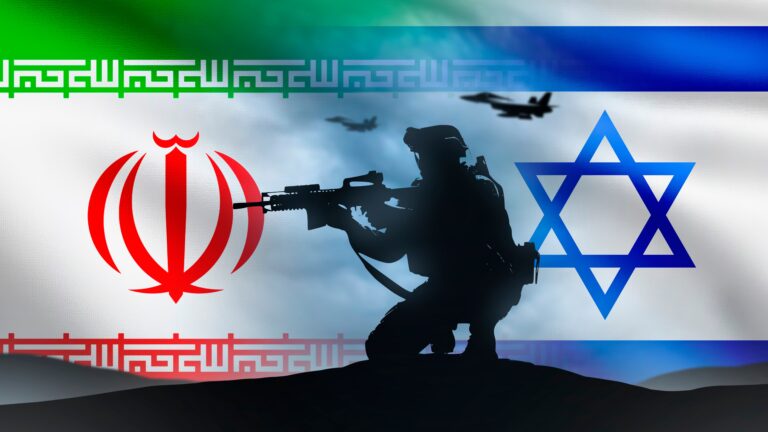
Israel’s ship of state, facing rough seas, is at high risk and requires clearer rules of navigation. During this period of deep complexity, Israel will need to clarify its strategic direction. The terrorists of Hamas are the tip of Iran’s much larger spear. Israel’s current war against jihadist criminality could thus turn into a wider and more damaging war with Iran. Such a war could emerge as a “bolt from the blue” or incrementally. Ultimately, it could involve the United States, Russia, China, Pakistan, and/or North Korea. How might Jerusalem prevent or manage any such derivative conflicts? Israel must consider whether there is a productive role to be played by the “Samson Option.”
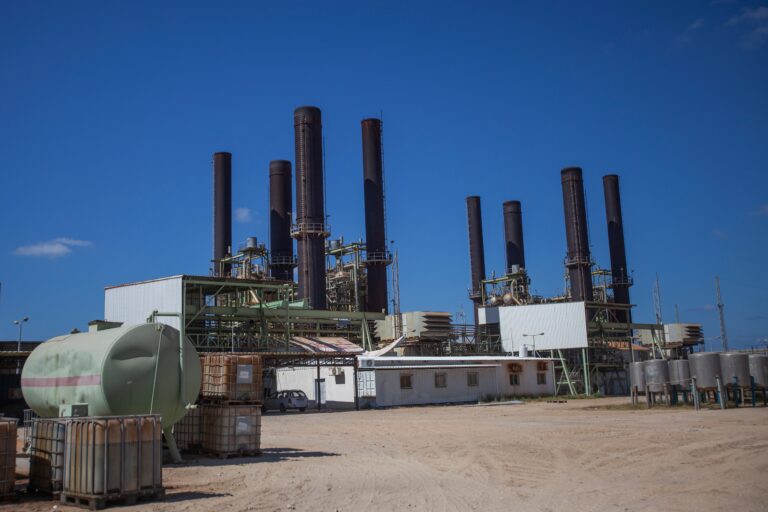
The events of October 7 and Hezbollah's subsequent attacks on Israel’s northern border have renewed the question of whether energy considerations can serve as a lever on Hezbollah's policy towards Israel, as was claimed following the signing of a maritime border agreement by Israel and Lebanon in October 2022. During the months of fighting, reports have emerged of internal pressure being exerted by Beirut on Hezbollah not to enter the conflict against Israel as doing so would likely exacerbate Lebanon's state of deep crisis. This crisis includes frequent power outages in Beirut, unprecedented fuel shortages nationwide, and delays in gas exploration in Lebanon's waters. If Lebanon's energy crisis does lead to the “concentration” of Hezbollah within Lebanon's economic and political arena, it is possible that Israel, through US mediation, could exploit this to undermine Hezbollah and restore stability on the northern border.

Accessibility Toolbar