Homepage

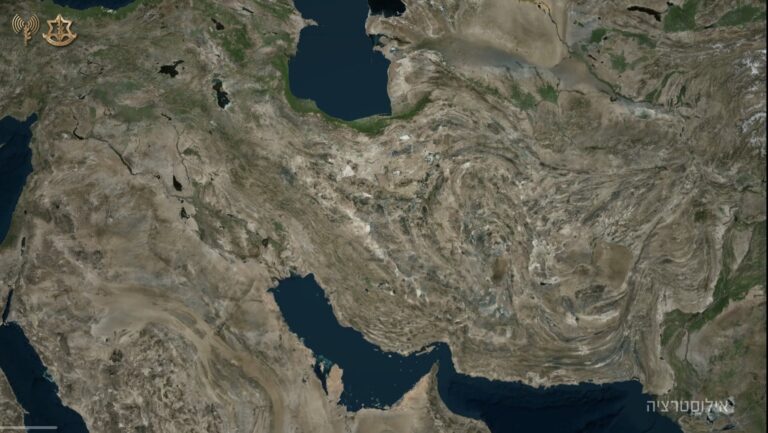
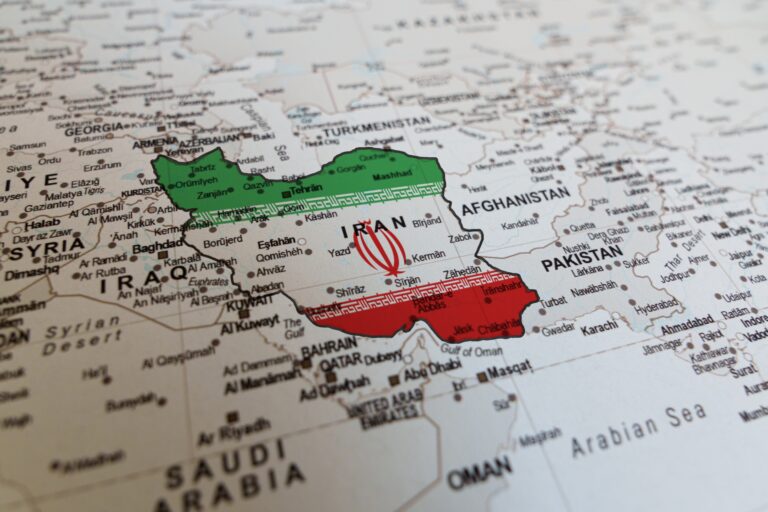
The June 2025 open war between Israel and the Islamic Republic of Iran marked a watershed moment in the history of the Middle East and in the evolution of Israeli warfare. While Israel had previously conducted long-range, high-risk operations such as the 1976 Entebbe raid, the 1985 strike in Tunis and operations against the Houthis in Yemen in the Iron Swords war, the Iran war was the first time in its history that Israel waged a sustained, multi-domain campaign against a geographically distant regional power with no shared border. For 12 days, Israel brought to bear the full weight of its long-range strike capabilities, missile defenses, intelligence networks, cyber arsenal and spectrum warfare, demonstrating a level of operational reach, integration and coordination unprecedented in its military history.
This research offers a thorough historical exploration and a quantitative-statistical analysis of the allegation that the State of Israel committed genocide against the Gazan population following the October 7, 2023, massacre. Specifically, we address the claims that Israel intentionally starved the Gazan population, that IDF ground forces deliberately massacred civilians, and that the Israeli Air Force (IAF) carried out indiscriminate bombings, failing to distinguish between combatants and civilians and conducting disproportionate strikes.
The Israel National Cyber ​​Directorate (INCD) recently published an update of the country’s cyber security strategy. While the new strategy develops and updates the principles of its 2017 predecessor, it differs in its fundamental concept. The new version derives from broad national objectives in the cyber domain and focuses on protecting the means of securing core national processes and infrastructure. It addresses issues such as how to define the whole of national cyber security and how to deal with the technological supply network. The document is also influenced by the Iron Swords War in several ways. The strengths of the INCD should be built to the point that it can position itself as a leading part of the governmental and national cooperation network that will be required for implementation.
Wednesday I June 25th 8:00 - 9:20 PM I Israel time Prof. Eitan Shamir: Introduction Mr. Ran Segev: The background to the decision to attack Prof. Jonathan Rynhold: US CDR. David Levy: US capabilities in the region Dr. Eilai Rettig: Energy in the war Dr. Lauren Dagan Amos: India- Iran-Pakistan Col. (Res.) Shay Shabtai: The day after
Since October 2023, Israel’s primary strategic vector has been a campaign against its enemies in the region. This campaign is nearing its end. In the coming months, the open security issues of Gaza and Iran will be decided. The next strategic vector should be a reorientation of the national focus from a security-level “strike force” to a national-level “prime force”, as David Ben-Gurion did after the War of Independence. Israel should turn its attention to five “national projects”: a public transportation network, a computing network, advanced computing infrastructure, a health and welfare response to population growth, and a longstanding relevant and strong security force.

Accessibility Toolbar