Perspectives Papers

Perspectives Papers provide analysis from BESA Center research associates and other outside experts on the most important issues pertaining to Israel and the Middle East.

View Archive

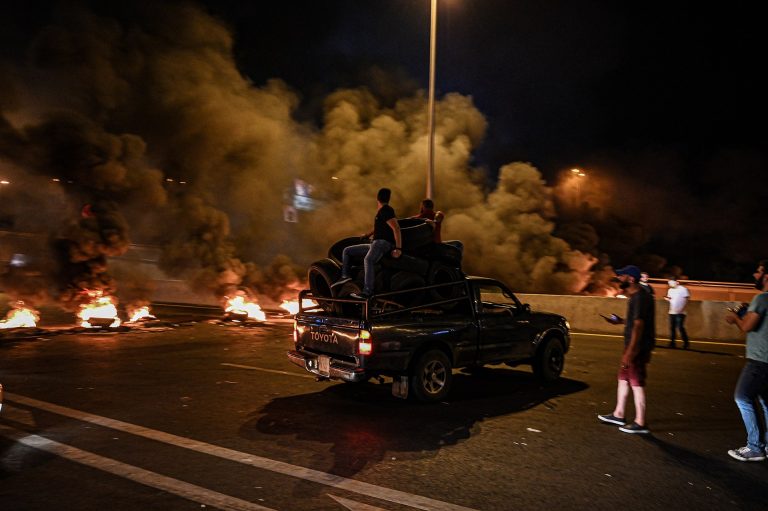
The protests in Lebanon have evolved into more than a fight against a failed and corrupt government. They constitute a rare demand for political and social structures that emphasize national rather than ethnic or sectarian religious identities in a world in which civilizational leaders who advocate some form of racial, ethnic, or religious supremacy govern the world’s major as well as key regional powers.
Jerusalem and Beijing have cultivated a flourishing economic relationship in recent years, but that bond is limited by the tension it has engendered with a Washington wary of China’s growing footprint in Israeli strategic assets. In an effort to mitigate this tension, Israel’s security cabinet has decided to establish a mechanism to monitor foreign investment.
The failed attack on the synagogue in the German town of Halle on the holiest day of the Jewish year, Yom Kippur, once again exposed the dysfunction of the law in the German liberal democracy. Efforts were made to draw attention away from the shortcomings of the police and authorities by blaming the German right-wing party, AfD. This backfired when an AfD parliamentarian exposed huge government shortcomings in the battle against extremists as well as anti-Israelism in mainstream German society.
UNRWA, the UN agency for Palestinian refugees, was created in 1949 via UN Resolution 302 (IV) with a short-term mandate. It flouted its original mission and perpetuated rather than alleviated the Palestinians’ status as refugees. It has long since become corrupt and functions essentially as a front group. The UN should close it down, and Palestinian refugees should be integrated into the economic systems of the countries that sheltered them. 

Accessibility Toolbar