Perspectives Papers

Perspectives Papers provide analysis from BESA Center research associates and other outside experts on the most important issues pertaining to Israel and the Middle East.

View Archive

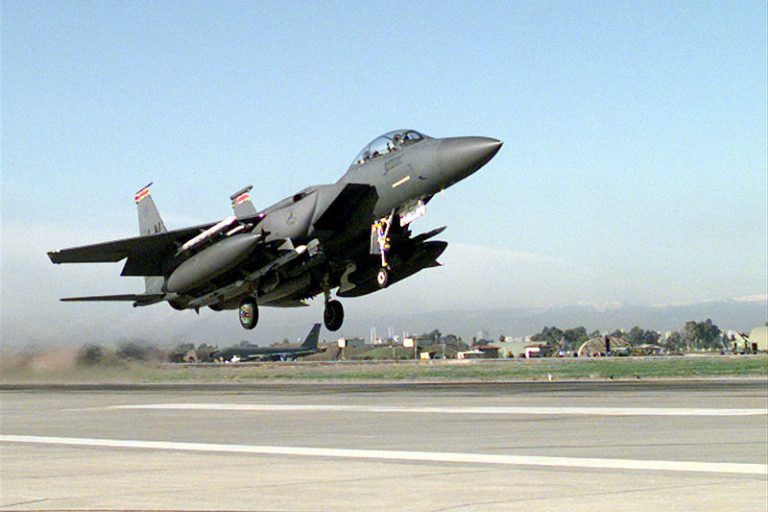
The American nuclear weapons that remain on European Turkish soil – an anachronistic reference to the Cold War – are tactical only. This raises questions, not only because of the deterioration in relations between Washington and Ankara, but because of security and safety risks at the Turkish base where the weapons are stored – close to the Syrian border.
Sweden’s Social Democrat PM Stefan Löfven has announced that in 2020 his country will host an international antisemitism conference to commemorate the Holocaust. This is perplexing in view of both Sweden’s and the Social Democrat party’s abysmal records on antisemitism and anti-Israel incitement. Jewish organizations should make an effort to prevent the Swedish government from turning this conference into a PR stunt.
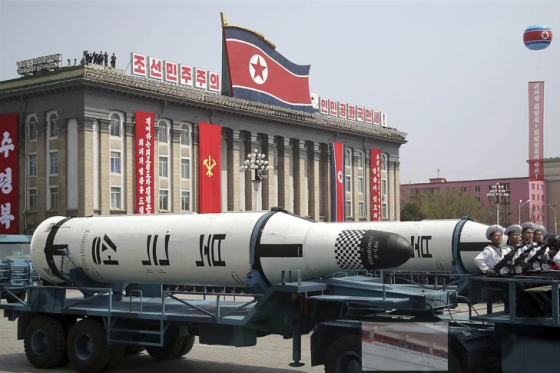
North Korea has found itself at a nuclear crossroads more than once, but the Trump-Pompeo-Bolton triumvirate significantly alters the current dynamic. The primary external forces acting on Pyongyang’s nuclear decision-making are China, Iran, and the US. The Americans could well prove effective against an aggressively antagonistic Iran.
“Peace to Prosperity” is certainly an ambitious title for the Bahrain Conference, which offers an “out of the box” plan to handle the Israeli-Palestinian conflict. The US vision essentially turns the “refugees” from liabilities into assets, thereby taking the refugee issue off the table. This concept has an historic precedent: the resettlement initiative presented by UN Secretary General Dag Hammarskjold on June 15, 1959.  Both plans received the same response from Palestinians: angry dismissal.
Mass mobilization saved the Russian state on many occasions in past centuries, proving effective against Charles XII, Napoleon I, and Hitler. The Russians are still inclined toward mass mobilization, even though modern wars tend to be more short-term. The large-scale military spending required to sustain mass mobilization will create additional problems for the already embattled Russian economy.

Accessibility Toolbar