Perspectives Papers

Perspectives Papers provide analysis from BESA Center research associates and other outside experts on the most important issues pertaining to Israel and the Middle East.

View Archive

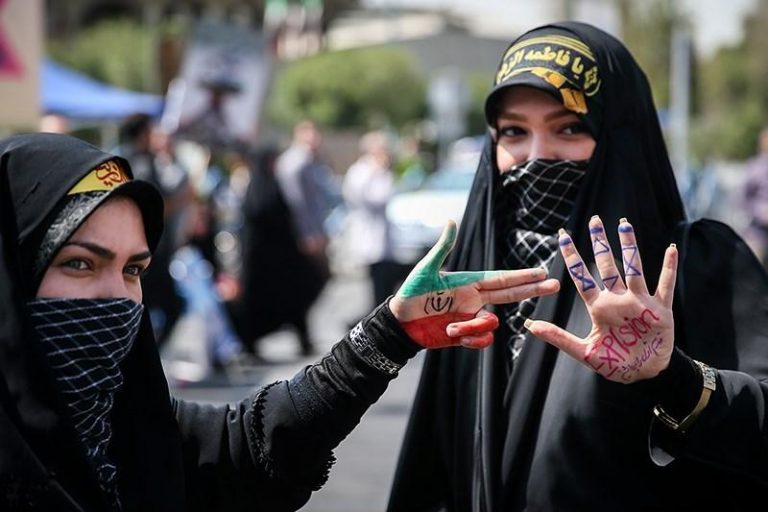
On June 8, the Islamic Republic of Iran held its annual “Quds Day” to express the nation’s support for the Palestinian struggle. Iran invests a great deal of effort into commemorating this event and mobilizes its citizens to flood the streets in solidarity. Is the hostility towards Israel on display on Quds Day a reflection of pure ideology, or is it a product of Tehran’s desire to elevate its status as regional hegemon and leader of the Muslim world?
Intermittent Israeli strikes against Iranian positions in Syria have alarmed Russia, which is trying to solidify its military gains there. Active Israeli interference could bring down the highly unstable security architecture the Russians are working on in Syria. Moscow must balance between its war ally, Iran, and Israel, an important regional player – two states with radically different geopolitical imperatives.
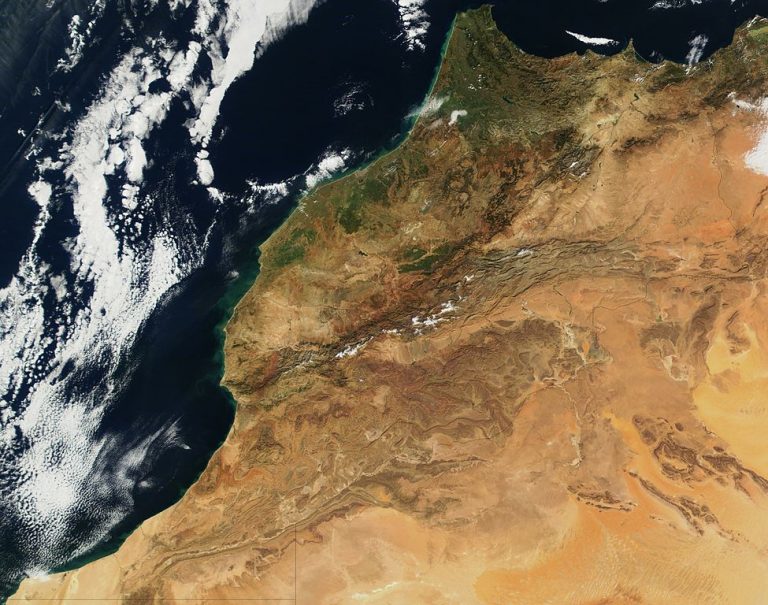
Iran’s recent moves against Morocco’s national sovereignty reflect its intention to continue on its path towards global domination by destabilizing pro-Western countries. Tehran is shifting its attention towards Africa, which is less on the Western radar following the American withdrawal from the JCPOA.
Mounting anger and discontent is simmering across the Arab world much as it did in the run-up to the 2011 popular revolts that toppled four autocratic leaders. But this time around, the anger does not always explode in mass street protest,s as it recently did in Jordan. In Morocco, it is manifesting in the form of widespread boycotts.
Given Gaza’s sharp deterioration over the past 25 years – first under the PA’s rule (1994-2007), then under Hamas’s control – it is time to consider a new paradigm for resolving the Strip’s endemic predicament, and by extension the Palestinian-Israeli conflict. That paradigm could entail a Palestinian state in the Gaza Strip and northern Sinai, from Rafah to El-Arish, with the latter territory leased to the Palestinians on a long-term basis.
Orde Wingate’s approach to the liberation of Ethiopia from Italian occupation in 1941 provides a useful model for modern-day intervention in Syria. Rather than hand out money and materiel to local forces (à la the British support of the anti-Ottoman “Great Arab Revolt” of WWI), Wingate advocated committing one’s own forces and then allowing local forces to participate of their own accord. In Wingate’s view, loyalty bought with cash and weapons will always prove temporary.
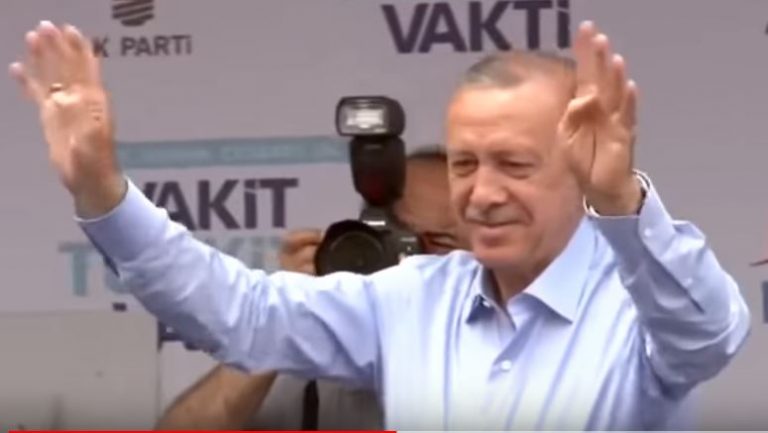
On June 24, Turkey will hold its sixth election in four years. The Turks will choose between augmenting what is practically one-man rule based on Islamist politics and returning to a regime based on the separation of legislative, executive, and judicial powers.
The divergence between the Trump administration’s desire to increase arms sales to the Middle East and the capacity limits of Arab clients for what the US currently markets makes the release of new types of advanced US weapon systems to the region more likely, which could undermine Israel’s qualitative military edge. While the administration’s global arms export drive may increase US-Israel competition for certain markets, it could also offer opportunities for joint arms export cooperation. Israel should be wary of following the American lead in relaxing export standards for approving arms sales. 

Accessibility Toolbar