Perspectives Papers

Perspectives Papers provide analysis from BESA Center research associates and other outside experts on the most important issues pertaining to Israel and the Middle East.

View Archive

An integral part of its sustained drive for regional hegemony, Tehran’s backing of the Houthis in Yemen, like its support for Syria’s Assad regime, is to build naval bases, gain control of strategic international waterways, terrorize Sunni populations, and turn local Shiite forces into its own private paramilitary groups to be used in special operations and terrorist attacks around the world. The Houthis are following Iran's Hezbollah model and have gained the world's sympathy through propaganda even as they engage in ruthless attacks on civilians both at home and in Saudi Arabia. 
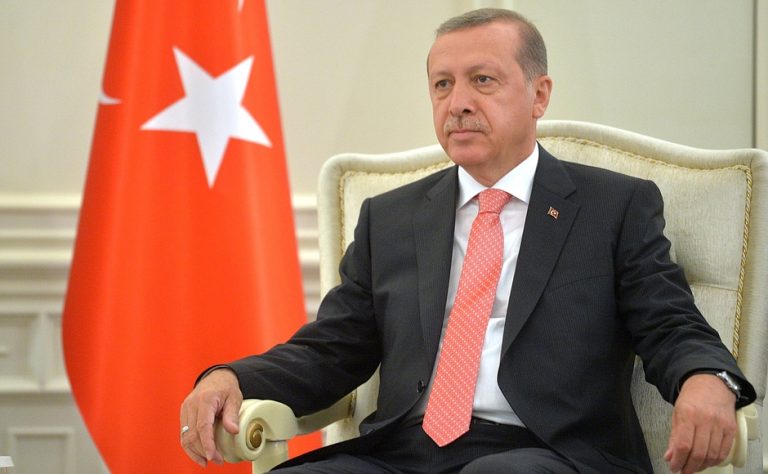
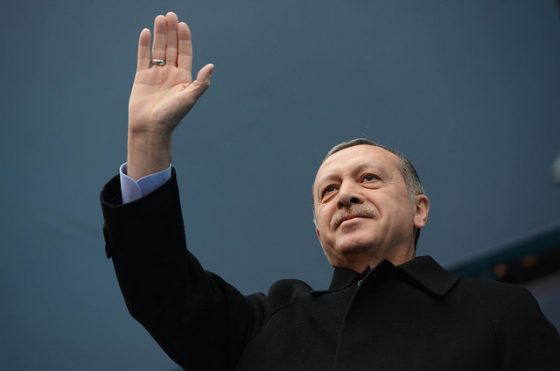
Turkish President Recep Tayyip Erdoğan is focusing his Islamization policy on the education system in his bid to raise a "pious generation". "Jihad" has become a frequent reference in the Turkish regime's rhetoric, while Syrians in the country and in areas controlled by Turkish troops in northern Syria are eating off the same plate. The international community should act to stop a "Turkish bin Laden" in the making and al-Qaeda-like authoritarian rule.
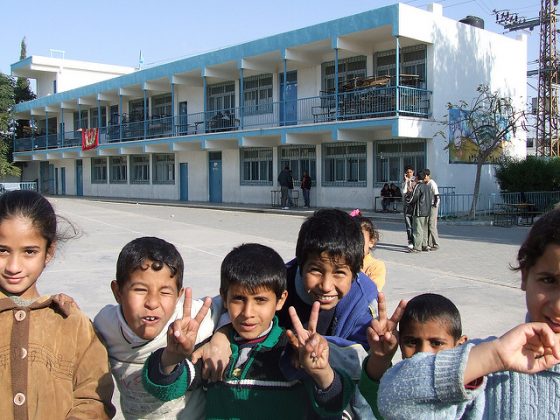
International political changes and genuine refugee crises have prompted a renewed examination of UNRWA, the internationally funded mechanism for the Palestinians. The problem of transferring UNRWA’s health, welfare, and education responsibilities to other organizations is not easily resolved. Despite obvious problems (primarily the inevitable corruption), absorbing UNRWA into the PA is the least bad alternative, as it offers a path for both capacity-building and real oversight.
The proposed transfer of significant parts of Area C to the control of the Palestinian Authority (PA) will be detrimental to Israel's national interest, if only because these territories are almost completely devoid of any Palestinian population. As such, they afford not only a strong security grip but the possibility of extensive Jewish settlement without threatening Israel’s Jewish and democratic character. Prime Minister Yitzhak Rabin’s meticulous and detailed demarcation of Area C in the Oslo Accords underscores the great importance he accorded to Israel's continued retention of this territory.
In the so-called "March of Return," Hamas is utilizing a new kind of power in international relations called "sharp power." This term originally referred to the subversion, manipulation, distraction, and lies authoritarian governments employ to undermine liberal democracies. The concept can now be applied to terrorist organizations like Hamas.
The acquisition of advanced air and air defense systems by existing and potential adversaries presents the Israeli Air Force (IAF) with a new qualitative challenge. To maintain its technological edge, the IAF is investing considerable resources into upgrading its fourth-generation platforms, acquiring new fifth-generation F-35I multi-role fighters, and developing other relevant capabilities. These actions will secure the IAF’s position as the dominant air force in the region. However, the IAF’s fourth-generation fighters – its F-16s and F-15s –will be exposed to significantly greater risk than before. By acquiring and integrating stealthy, long-range air-launched cruise missiles on one or more of its fourth-generation fighter types, the IAF can greatly minimize the risk to their crews while allowing them to tackle a wide range of targets in highly contested environments.
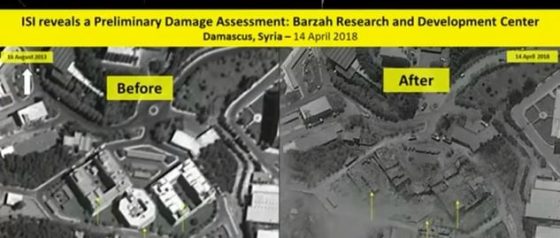
In the 11 years since the Israeli strike on Syria’s nuclear-weapons production site, a quiet revolution has taken place within the Israeli defense establishment. Today, the IDF’s ability to detect, analyze, and use intelligence regarding emerging threats is substantially more developed than it was in 2007.
On March 18, Russia elected Vladimir Putin for a fourth presidential term, making his rule the longest since Joseph Stalin’s. But this next term will be a new experience for both Putin and the Russian people. In terms of foreign policy, Moscow face increased Western challenges. Internally, Putin will have to decide whether to prolong his rule in 2024 or pick a successor – a process with significant foreign policy reverberations that will involve reshuffles and elite infighting inside the Kremlin.

Accessibility Toolbar