Perspectives Papers

Perspectives Papers provide analysis from BESA Center research associates and other outside experts on the most important issues pertaining to Israel and the Middle East.

View Archive

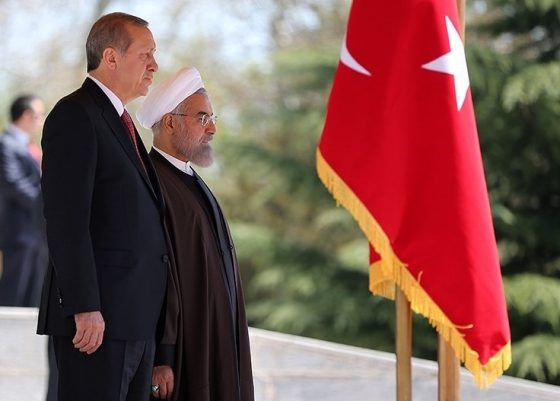
Like most moments in the passionate Turkish-Persian relationship, incidents of Muslim-to-Muslim fraternity are misleading. For the mullahs in Tehran, Turkey remains too western, too treacherous, and too Sunni. For the neo-Ottomans in Ankara, Iran remains too discreetly hostile, too ambitious, too untrustworthy, and too Shiite.
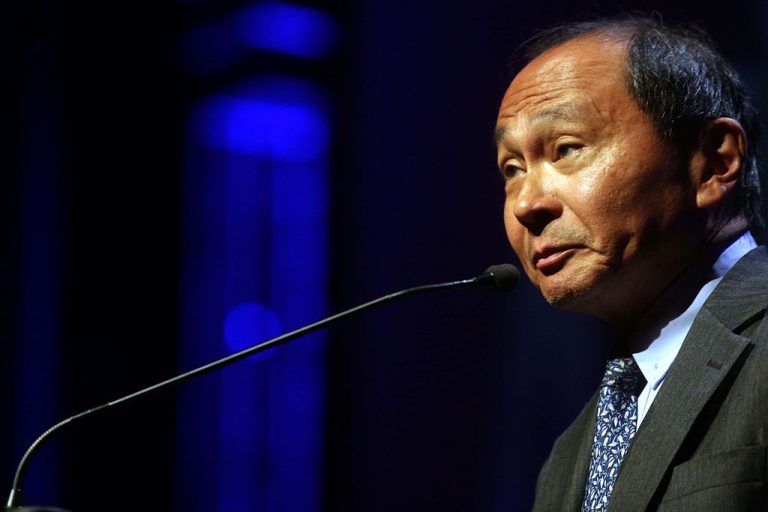
The 1989 essay “The End of History,” by American political scientist Francis Fukuyama, has been both celebrated and maligned for its prediction that the future would unfold with centuries of comparative “boredom,” as the American-led international system had no viable challengers remaining. The Trump administration’s Nuclear Posture Review represents a complete repudiation of Fukuyama’s world model. But more importantly, it is the first official warning from Washington that there may be a return of great power conflicts, which were a fixture of less stable eras in modern world history. The only solution, according to the Pentagon, is to restore America’s strategic edge, which waned under the Obama administration.
Scholars disagree as to whether there exists a liberalizing global political order that has been preserved through American hegemony since World War II (often referred to as the “liberal world order”). Still, it is generally agreed upon that the US has been the dominant power in global affairs since at least the fall of the Soviet Union. With the release of the Trump administration’s National Defense Strategy, the US Department of Defense is weighing in on this debate. Specifically, it has announced that American security policy is shifting from counterterrorism in the Middle East to strategizing against rising world powers like China. The reason for this pivot, according to the Pentagon, is the need to protect the current world order from states that seek to revise it.
The PyeongChang 2018 Winter Olympics in South Korea is a major political as well as sporting event. The Olympic spirit of peace will be on full display when the North and South Korean teams enter the stadium together and even play together. But the new euphoria on the Peninsula has reignited a political debate between Korean conservatives and liberals on policy towards North Korea. While liberals see the Olympics as an opportunity for negotiation, conservatives see Pyongyang’s agreement to attend as a tactic to gain benefits and not a genuine expression of warming relations.
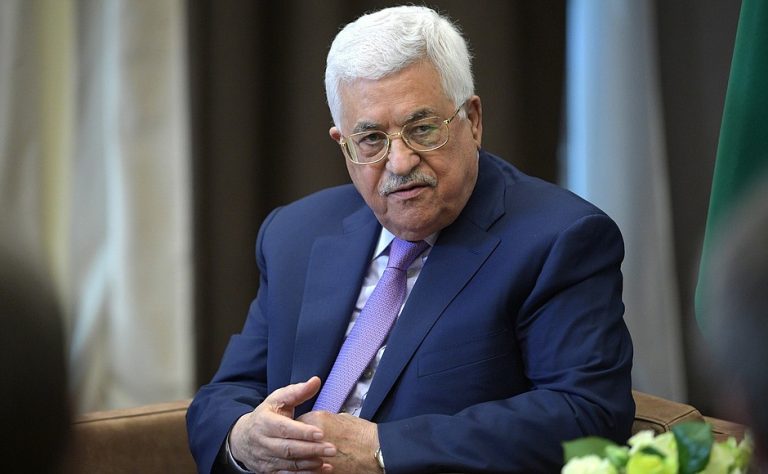
Until now, two approaches have dominated American foreign aid: the strategic and the humanitarian. Trump has added a third: the "business approach." The strategic is based on interests, the humanitarian on compassion, and the business on yield. The great powers use the strategic approach and the Europeans the humanitarian. The business approach now guides US aid to the Palestinians. Trump has threatened to cut off US aid to the Palestinians if they refuse to negotiate with Israel, and cut US allocations to UNRWA. This new approach influences the attitudes of Egypt and Jordan, both large recipients of American aid. This can be seen in their low-key responses to Trump's Jerusalem decision. It can also have ramifications for Israel's relations with the Palestinians and the US.
On December 23, 2017, Chinese Minister of Foreign Affairs Wang Yi observed that “it’s been seventy years since the UN adopted the decision to create a Palestinian state, but seventy years later, a Palestinian state is yet to be created.” Other Chinese voices in recent years have made similar statements on the Israeli-Palestinian conflict. Why the Chinese preoccupation with this issue? Perhaps because words and gestures allow Beijing to show involvement while avoiding intervention.
When the Eurasian Economic Union (aka the Eurasian Union) was unveiled in early 2015, it had one major goal: to strengthen Moscow’s position across the former Soviet space. By promising economic benefits and military protection, the Kremlin managed to bring Armenia, Belarus, Kazakhstan, and Kyrgyzstan into the Union and solidify its influence over them. However, the Eurasian Union has stalled since then. It lags considerably far behind other major unions across the Eurasian continent in terms of overall economic and political influence, and will continue to face major geopolitical competition from the European Union (EU).

Accessibility Toolbar