Perspectives Papers

Perspectives Papers provide analysis from BESA Center research associates and other outside experts on the most important issues pertaining to Israel and the Middle East.

View Archive

Though the recently released US National Security Strategy (NSS) is not intended to present a concrete and detailed set of American policies for the Middle East, it does reflect the general logic and goals of the Trump administration for the region – and indicates a convergence of US and Israeli views on the Middle East. Its substance and implications warrant close attention in Jerusalem.
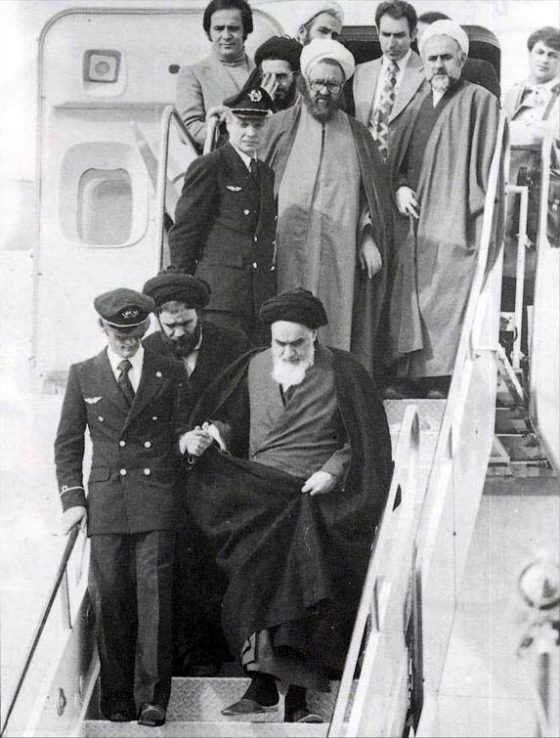
Thirty-nine years have passed since Ayatollah Khomeini returned from exile and established the Islamic Republic of Iran. Under his leadership, Iran has undergone significant changes that have left a mark on the basic concepts and worldview of its leaders. That process can be divided into five periods distinguishable by the effects they had on the discourse of the Republic. The signal achievement of the theocratic regime that emerged from the revolution is its ability to maintain its power. However, Tehran’s quest for regional hegemony has created a wave of social protest that arose from the gap between the foreign ambitions of the Islamic leadership and the people's desire for a better life.
Because of Russian antagonism, 2018 might see a termination of investigations by an internationally authorized apparatus into chemical weapons (CW) attacks in Syria. There is a tight, if indirect, connection between that termination and the existence of a residual and possibly renewed stockpile of CW in the hands of the Syrian army, which is backed by Russia (and Iran).
India and Israel elevated their bilateral relationship to that of a “strategic partnership” in July 2017. While agriculture and opportunities for cooperation in the innovation economy hogged the limelight during both the prime ministerial visits, the defense/security peg of the partnership continues to have the greatest traction. The two countries hope to take it forward with an ambitious agenda that includes joint manufacturing as well as joint research and development.
Important new Middle East developments give the US and its allies a real chance to push back on Iranian hegemonic ambitions in the Middle East. Key to this effort will be Congressional focus, not just on the Iran nuclear deal, but on sanctions legislation to undermine both Iranian missile proliferation and terrorist-supporting activities.
Turkish President Recep Tayyip Erdoğan’s recent strategy of allying with the far right and his turn to nationalism are limited by the Sunni sectarian nature of his politics. A closer examination of the failure of his Alevi reform initiative of 2009-2010 reveals the structural obstacles Turkish Islamists encounter in their attempts to reach beyond the Sunni community to coopt Turkey’s Alevi electorate. In a similar manner, Erdoğan’s nationalist policies will continue to exclude Alevis, entrench sectarianism further, and expose the limits of belonging to his Sunni “nation.”
Expressions of support for the Iranian anti-government protests by US President Donald Trump and Israeli Prime Minister Benjamin Netanyahu have provided grist for Iranian claims that the protests were instigated by foreign powers. The assertions, while largely baseless, nonetheless offer insight into the very different strategies adopted by Iran and Saudi Arabia in their vicious struggle for regional dominance.
The night of January 17, 2018, we were witness to another reminder of the success of the hard-hitting strategy adopted by the IDF towards the Arabs in the West Bank – and the failure of containment in Gaza.  In Jenin, the murderer of Rabbi Shevah was killed and at least one other terrorist apprehended eight days after the crime. Gilad Shalit’s abductors were never punished and his abduction led to the release of over 1,000 terrorists. The lesson: peacemaking must be from the ground up.

Accessibility Toolbar