Perspectives Papers

Perspectives Papers provide analysis from BESA Center research associates and other outside experts on the most important issues pertaining to Israel and the Middle East.

View Archive

The Arab proverb "we are with the staunch wall" outlines a path to survival, especially in periods of transition, recommending one to cleave faithfully to the rising force portrayed as a staunch wall. From this point of view, recent events connected with the regional turmoil are bound together, including the Kurdish failure in Kirkuk, the fighting in the Druze village of Khader, the Palestinian reconciliation, and the Saudi-led resignation of the Lebanese prime minister. At the same time, the Israeli "Villa in the Jungle" strategy of entrenchment within its borders disregards the need to find overt and covert routes of intervention that would enhance Israel's image as a “staunch wall” for its allies.
In a December 6, 2016 telephone conversation, then President-Elect Donald Trump and Czech President Milos Zeman agreed to meet in April 2017 – but the visit appears to have been indefinitely postponed. This is unwise. Zeman, like Trump, is a staunch supporter of Israel, opposes Europe’s “Munich attitude” of appeasement, and is a foe of Islamic terrorists. He should be treated by the White House as the ally he is.
Reports emerged recently suggesting that Iran-backed forces are closer to controlling the Syria-Iraq border. This would mean Tehran will now be able to link up with its Lebanese proxy, Hezbollah. If this scenario is correct, after 12 years of conflict in Iraq and another conflict in Syria, Iran is steadily transforming into a more powerful geopolitical player whose influence will be projected hundreds and maybe thousands of kilometers beyond its borders.
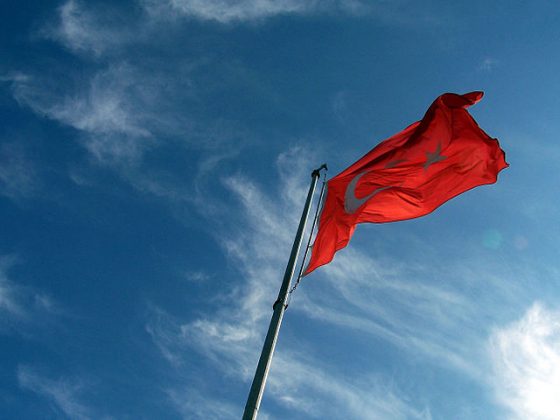
The failed coup attempt against President Erdoğan shook Turkish society and accelerated Erdoğan’s concentration of power. The Turkish economy also suffered a shock, with the lira dropping in value, a flight of foreign investment, and an increase in inflation. The tension between Ankara and the West continues to mount, adding to the country’s economic uncertainty. In anticipation of the 2019 elections, the opposition parties hope the economic issue will adversely affect the Justice and Development Party. However, Turkey's domestic consumption and growing exports have produced a challenging but stable economic picture that should benefit Erdoğan.
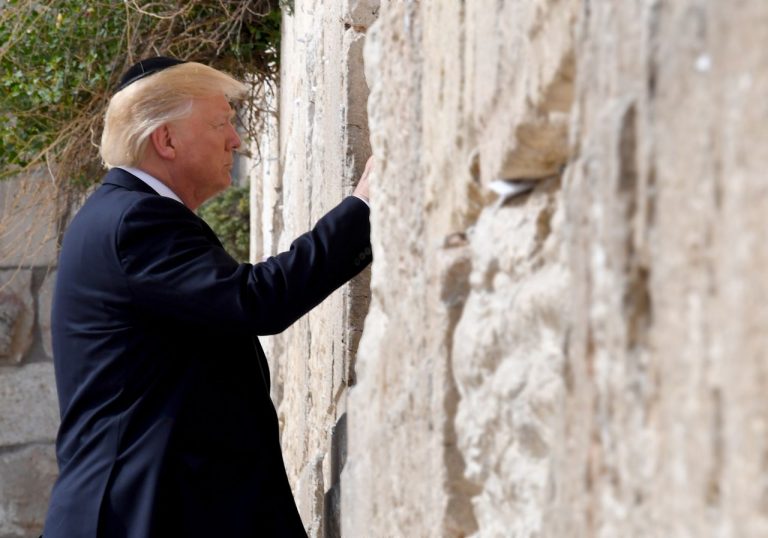
Arab and Muslim leaders hope to stoke sufficient anxiety among world leaders to stop them from following President Trump’s lead in recognizing Jerusalem as Israel’s capital. In effect, they hope to ensure that Muslim threats are given veto power over the decisions by world powers on this matter. But the objections to recognition are specious, ahistorical, and hypocritical. All countries should reject Muslim revisionism and join Trump in his action – which is, after all, simply acknowledging a 3,000-years-long reality.
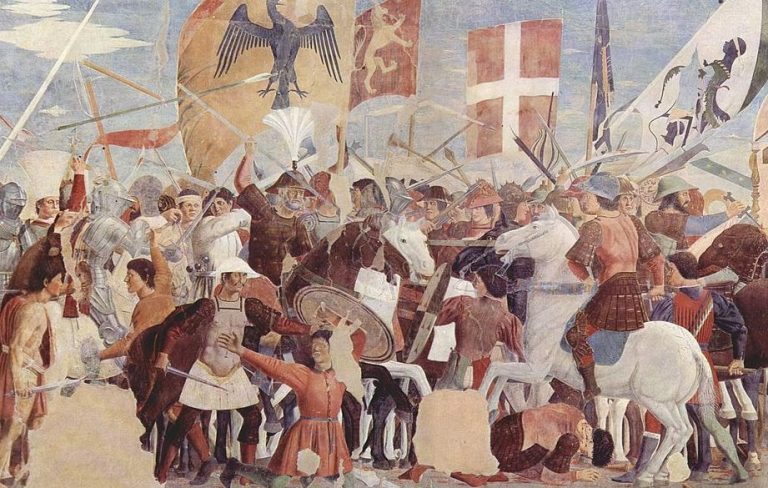
While most naval fleets spend the bulk of their time conducting international missions, the Israeli Navy is on operational duty against enemies every day. There is much NATO fleets can learn from the Israeli Navy and vice versa. With that in mind, Israel is now being invited to take part in NATO naval drills and is developing warm maritime partnerships with NATO countries.
Transition is the name of the game in the Middle East and North Africa. The question is, transition to what? The answer to that question lies in an Arab autocratic push for a Saudi-led regional order that would be based on an upgraded, 21st century version of autocracy designed to fortify absolute rule. To achieve this, autocrats have embraced economic reform accompanied by social change that would allow them to efficiently deliver public goods and services. It is an approach that rejects recognition of basic freedoms and political rights, but is likely – eventually – to produce more open and inclusive political systems that ensure that all segments of society have a stake.

Accessibility Toolbar