Perspectives Papers

Perspectives Papers provide analysis from BESA Center research associates and other outside experts on the most important issues pertaining to Israel and the Middle East.

View Archive

It is unlikely that the new heir to the Saudi throne, Prince Mohammed bin Salman – who will be the first of King ibn Saud’s grandchildren to come to power – will stop the private Saudi program of promoting Salafism. Salafism is the radical form of Islam practiced by the Saudis, and their export of their beliefs has been a major cause of the Muslim world’s move towards radicalism over the last nearly 40 years. But the Saudi leadership might respond to a US suggestion that they begin to omit Indonesia and India from their program. This would protect a critical quarter of the world’s Muslim population from moving from moderate to radical Islam.
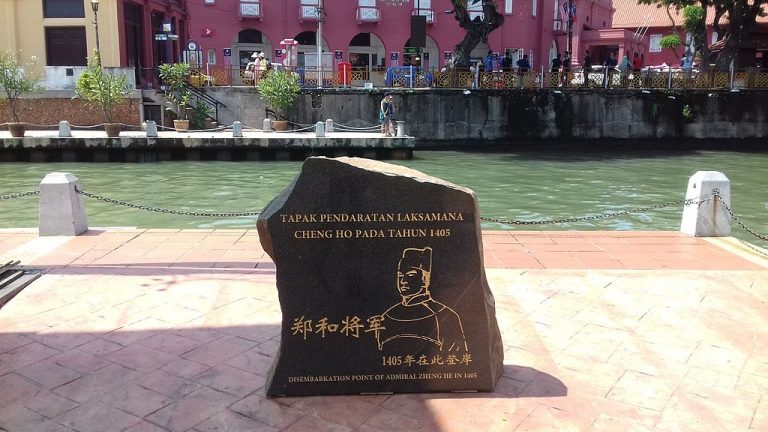
Last month, the Chinese established their first-ever military-naval base outside the Asia-Pacific region, in Djibouti. The establishment of the base is an expression of the "Maritime Silk Road" policy intended to exert Chinese presence in the Indian Ocean and into the Mediterranean. The establishment of the Djibouti base also reflects Beijing’s recent celebration of Zheng He, the 15th century admiral, whose voyages in the South China Sea and Indian Ocean have come to symbolize Chinese power and a Chinese-led global order. 
US President Donald Trump's son-in-law and senior adviser Jared Kushner, US Special Representative for International Negotiations Jason Greenblatt, and US Deputy National Security Adviser for Strategy Dina Powell will soon arrive in our region. This “peace team” will meet with leaders of Saudi Arabia, the UAE, Qatar, Jordan, Egypt, Israel, and the Palestinian Authority to examine ways to revive the Israeli-Palestinian peace process while also addressing issues of far more importance to Arab leaders, such as Iranian subversion in the region, the situation in Syria, the diplomatic crisis between Qatar and the Sunni Muslim states, as well as what is commonly referred to as "the humanitarian crisis in Gaza."
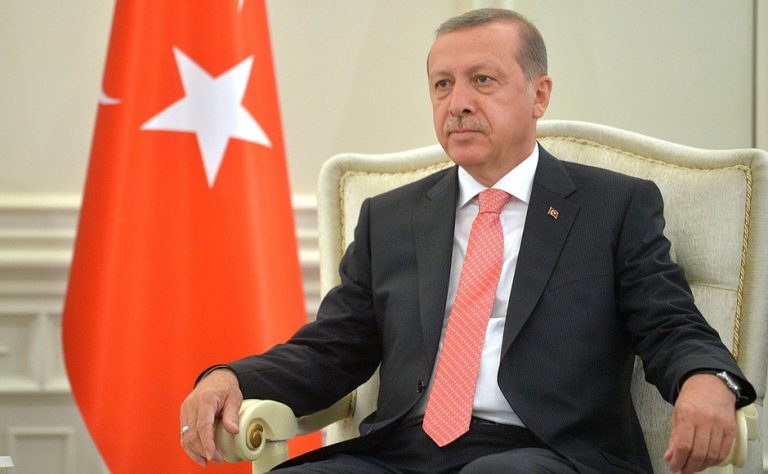
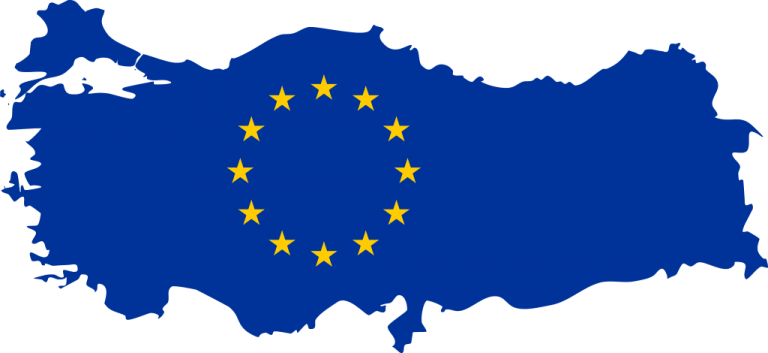
Turkey says it wants to join the EU, but has no intention of complying with membership rules. The EU says it wants Turkey to join, but is fully aware that it does not qualify. Turkey pushes forward in the hope that the EU might someday change its rules; the EU pushes forward in the hope that Turkey might someday qualify. Neither will happen.
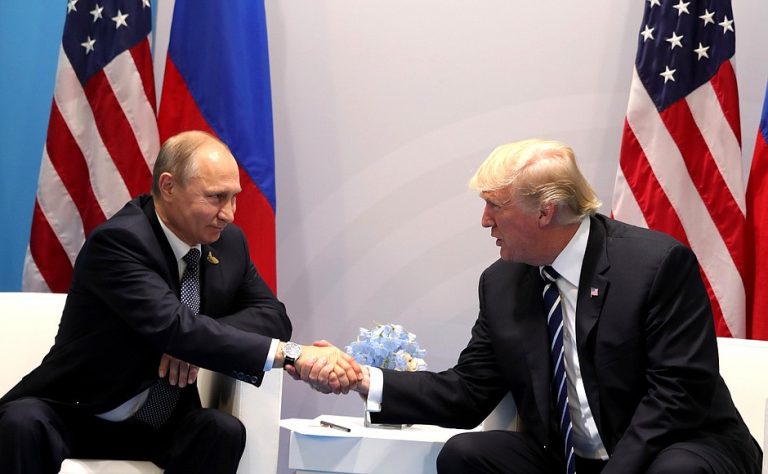
Russian-US relations have reached their lowest point since the end of the Cold War.  President Donald Trump has signed a new package of anti-Russian sanctions into law and increased the US military presence across former Soviet territory and eastern Europe. He also sent VP Mike Pence on a tour of Estonia, Montenegro, and Georgia – a trip viewed by Moscow as western encroachment on an area it considers a buffer zone. This standoff does not mean the two superpowers will not be able to find common ground in other areas, but the potential for cooperation is limited. Former Soviet territory will likely remain a major confrontation line between the US and Russia.
Just as occurred during the Watergate crisis of 1973-74, America – the world’s indispensable power – is again facing a constitutional crisis, with a paralyzed president writhing beneath the Damoclean sword of Russiagate.  New evidence sheds fresh light on the origins and making of both “gates,” as does a closer exploration of the Nixon-Brezhnev and Trump-Putin bromances.

Accessibility Toolbar