Perspectives Papers

Perspectives Papers provide analysis from BESA Center research associates and other outside experts on the most important issues pertaining to Israel and the Middle East.

View Archive

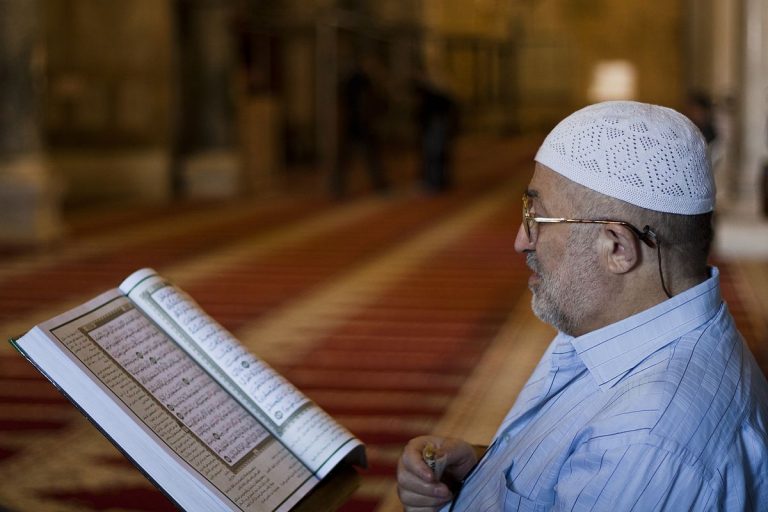
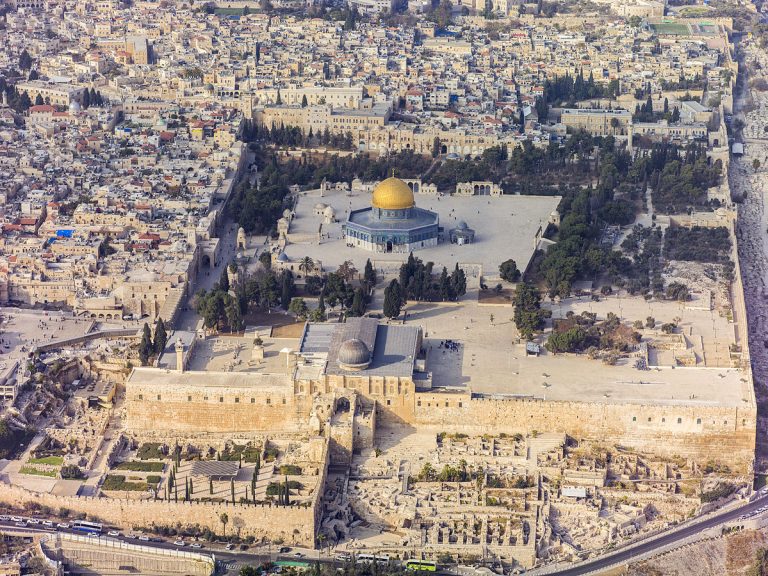
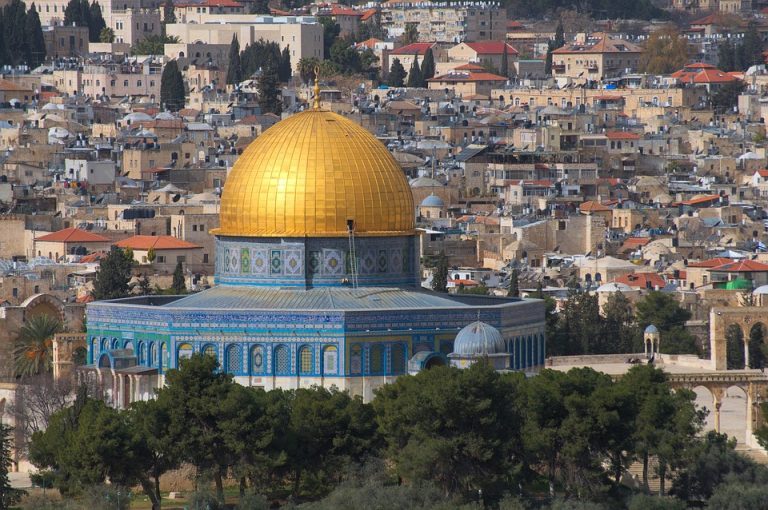
The latest complications over the “status quo” on the Temple Mount necessitate a long overdue clarification: the privilege to administer the site, granted by Israel in the wake of its 1967 victory to the Waqf via Jordan, must not be misconstrued as a “right of ownership.” The administrative management of this place of worship, holy for Judaism and Islam, should provide hospitality, dignity, and security to all law-abiding visitors and sincere worshippers respectful of the place, without religious, racial, or political discrimination.

Truces with Hezbollah and Hamas are enabling the IDF to focus on combat training and force build-up programs as part of Chief of Staff Lt.-Gen. Gadi Eizenkot’s push towards a high state of war readiness. The need to achieve consistent war readiness is based on the assessment that the Middle East of the future will be significantly more dangerous, less stable, and more complex than it is today, due in part to the proliferation of powerful weapons throughout the region. The IDF must be in a position to deal simultaneously with multiple fronts, near and far, and be able to defeat both non-state and state actors.
The so-called “status quo” on the Temple Mount is dead. It was killed by Palestinian denial of Jewish connection not only to the Mount but to any part of the Land of Israel, by terrorists who may have been aided and abetted by the Waqf, and by Abbas’s diplomatic assaults on Jewish history and legitimacy in Jerusalem. It is time to level the playing field. In the context of renewed peace talks with the Palestinians, Israel should put on the table a plan to bring equity and fairness to administration of the Temple Mount: a plan that would represent a true sharing of sovereignty over the place most holy to the Jewish People.
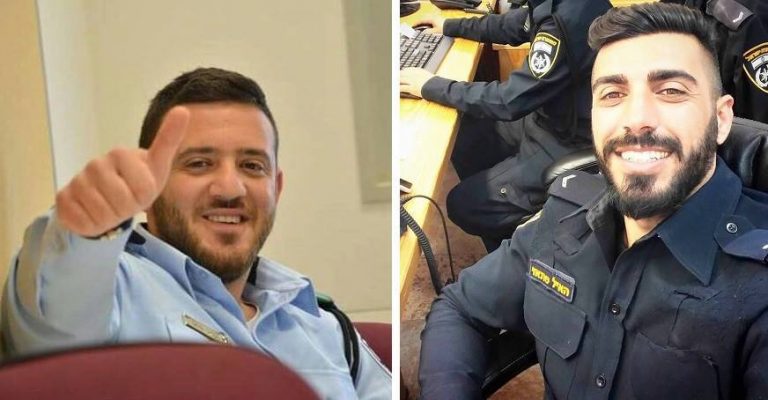
Regardless of its direct security merits, Israel’s decision to place metal detectors at the entrances to the Temple Mount has been transformed by adversaries and Israel alike into an issue of sovereignty over the Temple Mount. Power-sharing there has always constituted a slippery slope to disaster. The murder of two Israeli policemen at the Temple Mount is an appropriate moment to rectify the situation by reasserting Israeli sovereignty over the holy site.
Measured IDF policy towards the Palestinians does not reflect leftist leanings in the IDF high command or fear of the ICC. The main driver of IDF policy is a sensible cost-benefit analysis. The benefits of a much harsher line, in terms of reducing the current occasional pattern of violence, are uncertain, but the costs would certainly be high – not least in terms of opportunities to boost Israel's relations with key players around the world. These considerations have now withstood the test of the dramatic events on the Temple Mount, and proved as relevant as ever.
North Korea’s nuclearization has implications for Israel's nuclear deterrence posture. There are several plausible means by which a nuclear conflict could arise in the Middle East. It may be time to consider a phase-out of Israel's "deliberate nuclear ambiguity" and to focus Israeli planning around evaluations of enemy rationality.
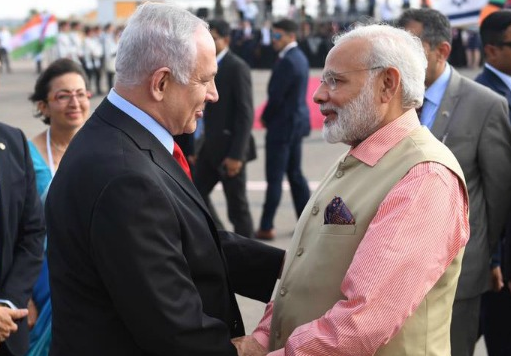
The visit by the Indian PM Narendra Modi caused many Jerusalemites, like me, a lot of traffic delays. In retrospect, it was definitely a price worth paying. Modi showed remarkable courage by coming to Israel without balancing it with a visit to the Palestinian Authority. His departure from the political correct symmetry pleased the Israelis and signaled that India has decided to act on its national interests. Israelis hope Modi’s pragmatic approach will be emulated by other senior dignitaries coming to Israel.
Turkish President Recep Tayyip Erdoğan, who firmly believes it is religion that should shape national friendships and enmities, has tried singlehandedly to inject love for the Arab into Turkish society. The desire to accomplish this has implications for Turkish foreign policy. Erdoğan’s grand design has crashed not only into the Arab Spring but also into Middle East realism. The Saudi-led Gulf siege of Qatar came as a complete shock: one Sunni brother had taken out the sword against another.
EXECUTIVE SUMMARY: Much is being written against the ultra-orthodox fiat over prayer and conversion in Israel, emphasizing the potential consequences if the US “diaspora” were to take offense and become irreversibly alienated. But the US is not Israel’s periphery. American Jewry is not Israel’s diaspora, and no Jew in the US lives in exile. Israel must adapt to modern times – in faith, as it does in technology – first and foremost, for the sake of its own citizenry. It must take a firm, fair, and inclusive position on who is and is not a Jew, who is and is not an Israeli, and how the two attributes can reconcile in a modern pluralistic democracy.

Accessibility Toolbar