
Perspectives Papers

Perspectives Papers provide analysis from BESA Center research associates and other outside experts on the most important issues pertaining to Israel and the Middle East.

View Archive

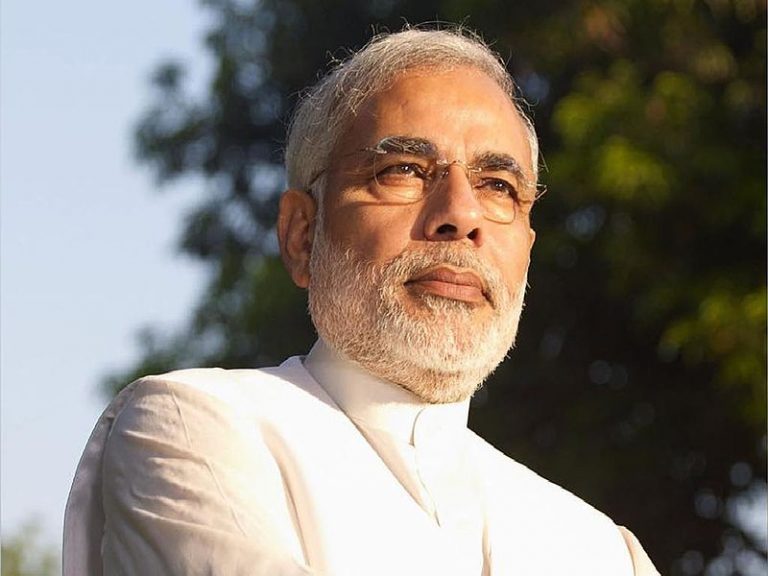
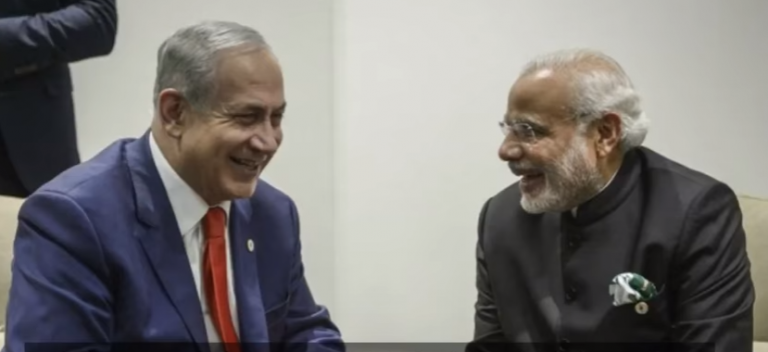
Over the past three years, Israel has acquired greater priority and visibility over other Middle Eastern countries on India’s diplomatic radar. Indian Prime Minister Narendra Modi can be credited with elevating the strategic dimension of the Indo-Israeli partnership by bringing the bilateral relationship out from under the carpet. Indo-Israeli strategic ties are at a historic high with Modi visiting Israel in July, the first visit by an Indian prime minister to the Jewish state since the establishment of diplomatic relations between the two countries in 1992. Modi’s epoch-making trip is likely to give an unprecedented push to efforts to build new bilateral relations and further solidify security ties between the two countries.
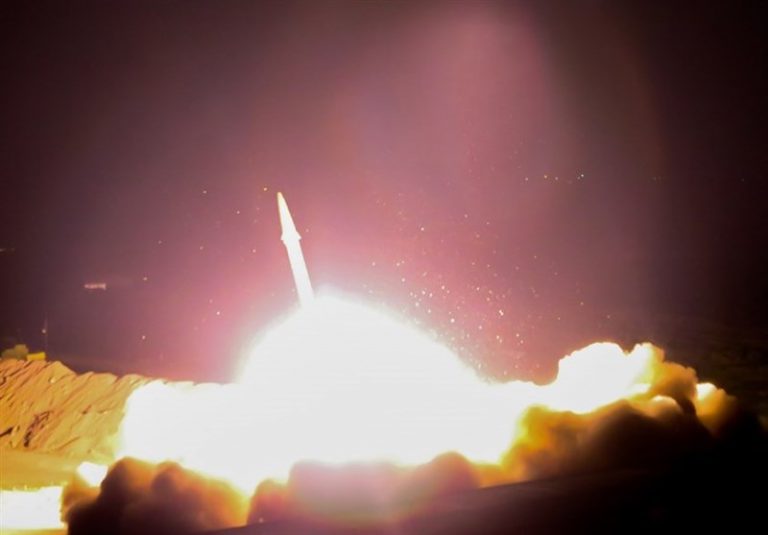
The lethal June 7 terror attack in Tehran that left 18 people dead was carried out by ISIS. Not unexpectedly, Iran vowed revenge. On June 17-18, this revenge materialized in the form of a volley of Iranian precision ballistic missiles fired at ISIS strongholds in the Syrian town of Deir ez-Zor. The Islamic Republic exploited the event to flex its missile muscles, a display designed to broadcast that it is a force to be reckoned with on a par with Russia and the US. It can project power hundreds of kilometers away from its borders and has the willpower and resolve to use force to promote its interests in the region.
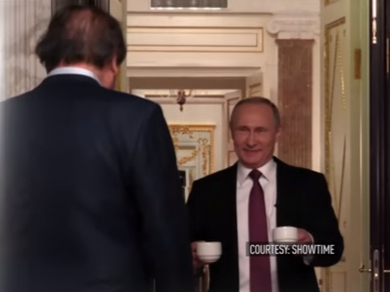
The July 2015-February 2017 interviews with Vladimir Putin by US filmmaker Oliver Stone, now streaming on Showtime, provide surprising insights into the mind of the Russian leader. “We like President Trump,” Putin admits, recalling that during the election campaign Trump was open to a new relationship with Moscow. Further progress was stalled by Russo-gate. Trump should not buy Putin’s reasons for his Ukrainian and Syrian interventions, but would be wise to be open to renewing a limited partnership with Russia against Islamic terrorism and Pyongyang’s rogue regime.
The claim that Gaza’s inhabitants are hapless victims of Hamas is highly questionable. Gazans are either silent about or openly supportive of the trading of corpses of Israeli soldiers in return for Hamas terrorists, a practice expressly forbidden by Islamic law. They accept with equanimity and even satisfaction the Hamas practice of releasing videos of Israeli soldiers for the express purpose of psychologically torturing their families and thereby extracting greater concessions from Israel. Gazans may well be unhappy with Hamas for bringing on electricity cuts, but they are hardly mere victims. Their support for Hamas indicates that they share responsibility for its practices.
The Saudi royal family is undergoing a period of change, a process that gathered steam after the recent visit by US President Donald Trump. The visit demonstrated to the Saudis that they have the support of the US, something they did not get from the last president. The naming of the king's son as the new heir to the throne represents both the reform process itself and its growing momentum.
The utility of Israel's nuclear strategy will ultimately depend on accurate assessments of enemy rationality. In this connection, the military planners in Tel Aviv must determine if an adversarial leadership is predictably rational, irrational, or "mad," and whether a calculated posture of "pretended irrationality" could sometimes benefit Israel.
The first trip to Israel by an Indian prime minister reflects the significant expansion in relations between the two countries that has taken place since the establishment of full diplomatic relations in 1992. The burgeoning relationship is based on similar strategic agendas and buttressed by extensive defense ties. Modi’s government has shed its predecessors' reservations about regular public discussions regarding India's ties with Israel and has even modified voting patterns at multilateral fora.
The first week in July, Narendra Modi will become the first Indian prime minister ever to visit Israel. Start-ups and defense will be high on his agenda.
On June 5, Saudi Arabia, Egypt, United Arab Emirates, Bahrain, and several other Sunni Muslim countries suspended their relationships with Qatar, creating one of the worst crises to befall the Muslim Sunni world in a decade. China, the second-largest economy in the world, has an interest in the achievement of a resolution to the crisis, and may have a role to play. It can tell one side “you made your point” and the other “you learned your lesson”. China needs these countries and has a lot to offer them in return.

Accessibility Toolbar