Perspectives Papers

Perspectives Papers provide analysis from BESA Center research associates and other outside experts on the most important issues pertaining to Israel and the Middle East.

View Archive

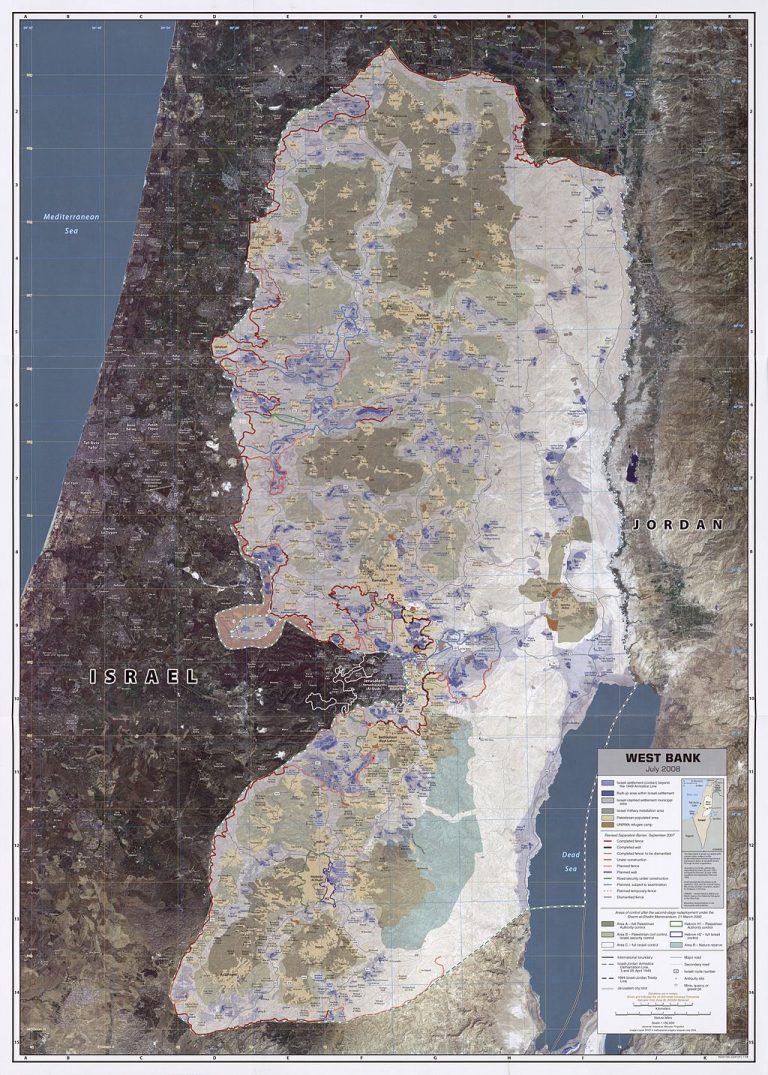
Israel is not facing a dilemma about how much, if any, land to give up from the West Bank, because the Palestinians will not agree to take land and cannot be forced to do so. The Palestinian community sees peace with Israel as defeat in their 100-year struggle. Continued Israeli occupation is one of the Palestinians’ best weapons against Israel, and they will not give it up while their war to eliminate Israel continues. Israelis should recognize that since the Palestinians are forcing Israel to continue the temporary but long-term occupation, Israelis need to a) cooperate in reducing the moral and other costs of that occupation; and b) stop telling the world that Israel could choose to end the occupation. The occupation, like the need for military strength and to absorb casualties, is part of the price Israel has to pay to live here. Maturity means being able to go forward with no solution in sight.
Turkey has reduced its dependency on foreign arms technology in recent years to the advantage of its local industry, which is striving to design, develop, and build a rich menu of indigenous systems. Turkey’s goal in fostering this industry is to achieve self-sufficiency in weapons technology that it can then use to bolster its regional political clout. However, there are technological, financial, and political challenges standing in the way of reaching that goal.
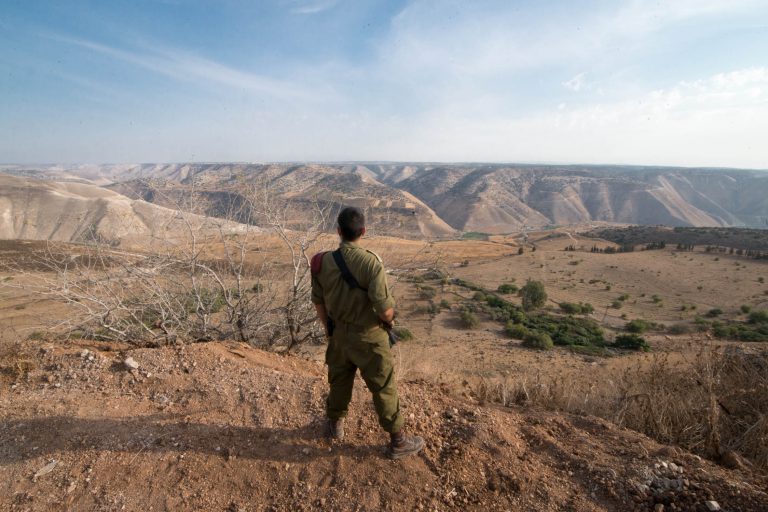
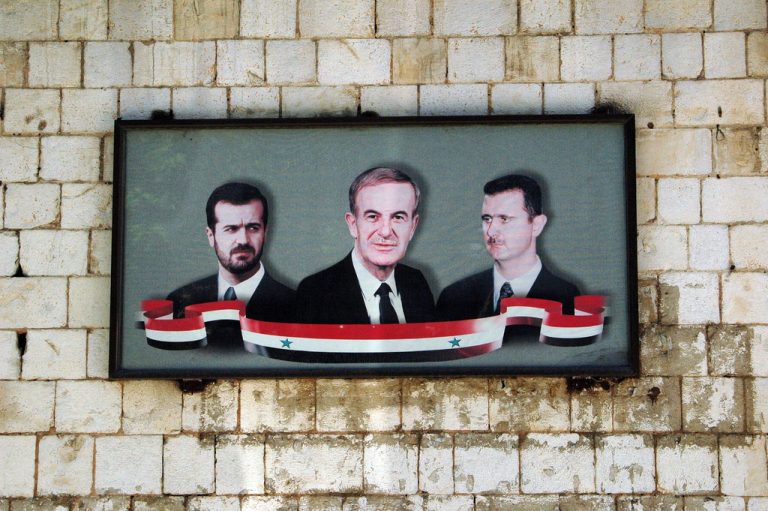
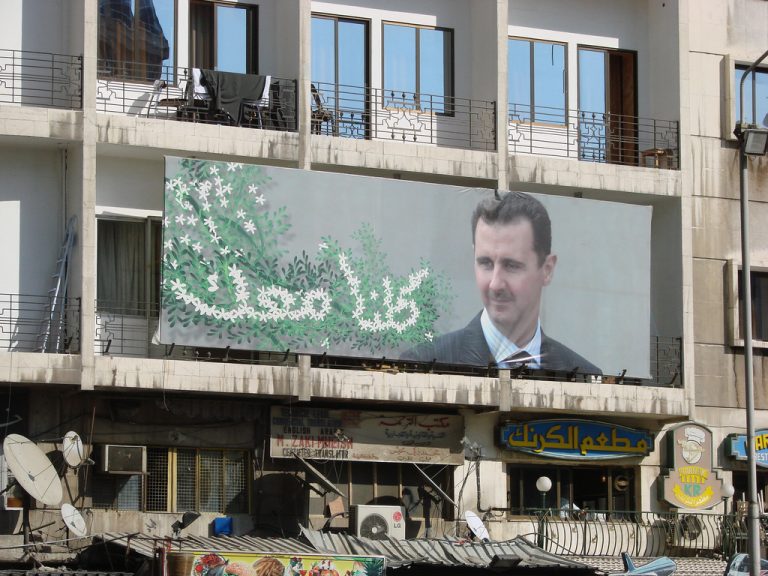
Despite the Assad’s regime’s longstanding pretense to raise the banner of all-out war against Israel, since the October 1973 War the Syrian-Israeli border on the Golan Heights has been conspicuously quiet. Today, as Syria no longer capably functions as a sovereign state, a strong Syrian president with firm control over the state is a vital interest for Israel.
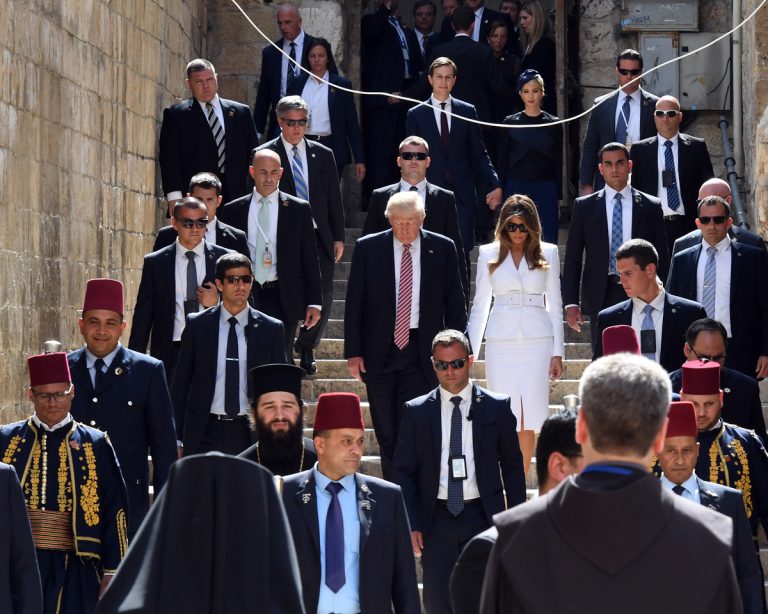
President Trump's efforts to bring Israel and the Palestinians back to the negotiating table are taking place against the background of a broader effort to recast US policy in the region. The memory of Secretary of State Alexander Haig's failed effort, back in 1981, to put together a regional "strategic consensus" against the Soviets may have faded, but the idea behind it is making a comeback. Facing the Iranian revolutionary regime and its proxies on the one hand and radical Sunni versions of Islamist totalitarianism on the other, key regional players are now more open than ever to an informal US-led alliance against their common enemies. The semblance, perhaps even the substance, of progress on the Israeli-Palestinian front can facilitate this; but even more important would be a firm policy on Iran.
Emmanuel Macron’s election as France's president by an impressive majority was met by widespread relief in most of the EU countries and in the western world. It would be a mistake, however, to ignore the deep divisions in French society that the election revealed. Large portions of the French public deeply distrust the political establishment, the EU, and globalization. The result was less an expression of support for Macron's platform and more a rejection of Marine Le Pen. However, the threat to French democracy emanating from the far right as well as the far left is not yet over. Macron will have to overcome huge challenges – and quickly – if he is to deliver on his promises of economic reform and his pledges to bridge the deep gaps in French society and politics.
Egypt under Gamal Abdel Nasser once shaped and guided Arab public opinion. Cairo was the capital of the Middle East, and Nasser's secular pan-Arab ideology challenged the West, Israel, and other Arab states. Nasser's Egypt showed how a developing country with a large population could persevere despite tremendous economic, political, and military challenges. As the 50th anniversary of the 1967 War approaches, Egyptians and Arabs of that generation might reflect with nostalgia on a bygone era when Cairo dominated the Middle East.
The US and its allies can prevent Iran from getting nuclear weapons, but only if they are clear about what the controversial 2015 nuclear deal actually says. Critics of the agreement, officially called the Joint Comprehensive Plan of Action, often say the deal gives Iran permission to acquire nuclear weapons after 10 years. Yet the stated premise of the plan was that Iran would never build or acquire nuclear weapons – ever.
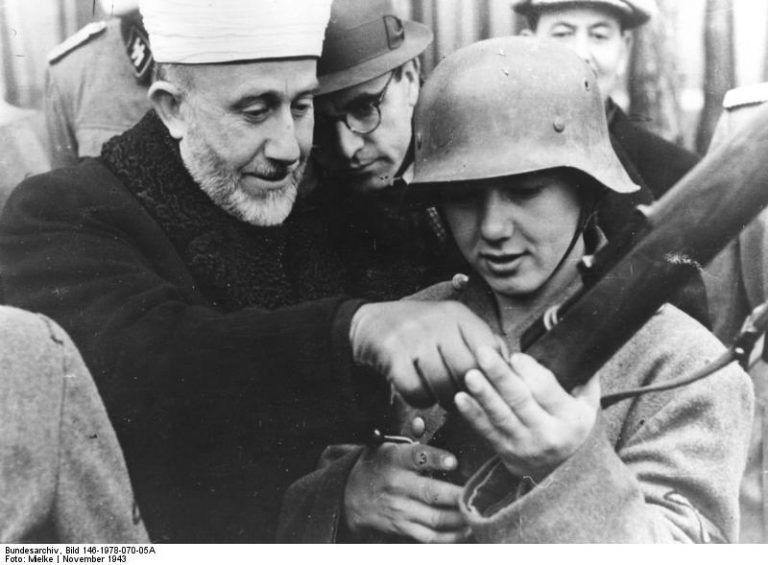
It has long been conventional wisdom to view the June 1967 war as an accidental conflagration that neither Arabs nor Israelis desired, yet none were able to prevent. This could not be further from the truth. Its specific timing resulted of course from the convergence of a number of particular causes at a particular juncture. But its general cause—the total Arab rejection of Jewish statehood—made another all-out Arab-Israeli war a foregone conclusion.

Accessibility Toolbar