Perspectives Papers

Perspectives Papers provide analysis from BESA Center research associates and other outside experts on the most important issues pertaining to Israel and the Middle East.

View Archive

The US is usually thought to be biased in favor of Israel, even after its recent acceptance of UNSC Resolution 2334. But for many years, the US has been a big part of the reason why the diplomatic world accepts a false narrative of the Arab-Israeli conflict that harms Israel and makes it harder to achieve peace. Washington should move to a truth-telling strategy to dismantle the structure of false views that slander Israel and stand in the way of peace.
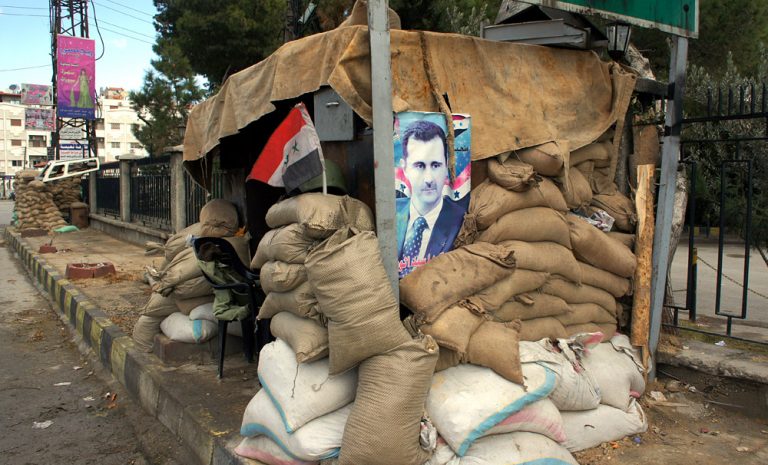
Groupthink seems to be guiding Israel’s Syria policy, which remains limited to the prevention of the flow of “game-changing” weapons to Hezbollah and the establishment of a Hezbollah/Iranian Revolutionary Guard military presence in southern Syria bordering the Israeli Golan Heights. The recent major changes in the balance of power in favor of Iran and its allies in Syria call for a more interventionist and publicly declared Israeli strategy in support of Syria’s rebels to balance against Iran and its allies.
The “art of the deal” does not translate directly from the world of business to the world of diplomacy. Diplomatic deal-making requires mastery of four basic elements: integration of diplomacy with the credible threat of force; the rewarding of friends and the punishing of enemies (rather than the opposite); a diplomatic focus on interests rather than emotions; and a refusal to condescend to the citizens who will be affected.
The recent US sanctions against 18 senior Syrian officers for chemical weapons (CW) employment seem to represent little more than a last-ditch compensation for the hands-off record of the outgoing Obama administration. However, despite their poor timing, these sanctions are considerably more meaningful than they might at first appear.
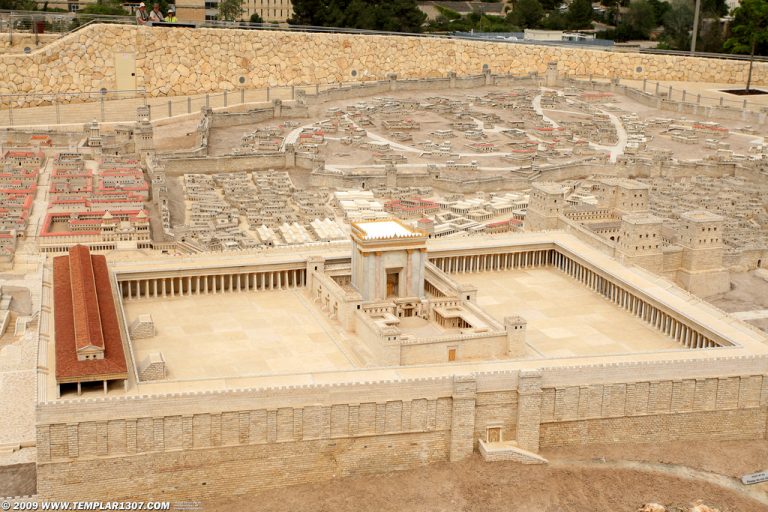
Making strategic choices requires distinguishing which issues are urgent and which are important. Right now, the securing of Jewish control over Jerusalem is both urgent and important. Jerusalem carries great symbolic and strategic value for Israel, and Israeli control of the city must be protected.
In contrast to the recent "Stop Trump" conference in Paris, a decision by the next US administration to move the US embassy to Jerusalem might be conducive to the cause of peace. It will remove the air of delusional unreality surrounding all aspects of the Jerusalem question, and modify what the Palestinians should legitimately expect to achieve at the negotiating table. It will send a message of credibility and of stern refusal to bow to threats of violence. It would still need to be packaged carefully, above all in terms of policies the key Arab players now hope to see instituted; such as the restoration of US support for traditional allies and the willingness to back them against the Iranian and Islamist threats.
Most observers, when debating the pros and cons of a two-state solution, focus exclusively on its potential impact on Israel and its Jewish citizens. Much less attention is paid to the solution’s potential impact on the Palestinians. Leftists, right-wingers, conservatives and liberals all tend to assume that two states would naturally be in the Palestinians’ interest. Think again.
Francois Hollande's desire to leave office with a foreign policy accomplishment under his belt notwithstanding, the French "peace initiative" will not achieve a rapprochement between the Israelis and the Palestinians. On the contrary: it is dangerous to both Israeli and Palestinian security, and conveys the harmful message that obstructionism, violence and incitement are effective policy tools.

Accessibility Toolbar