Perspectives Papers

Perspectives Papers provide analysis from BESA Center research associates and other outside experts on the most important issues pertaining to Israel and the Middle East.

View Archive

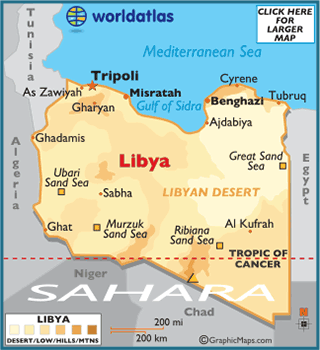
As Islamic State (IS) continues to suffer reverses in Syria and Iraq, great pressure can and should be brought to bear against it in Libya, where IS dominance has the potential to threaten vital Western interests. Forceful foreign intervention may be required to protect the central Mediterranean from IS encroachment.
Chinese President Xi Jinping's visit to the Middle East does not indicate an imminent new balance of power in the Middle East, but does suggest the prospect of greater Chinese involvement in the region over the long run – a likelihood that Israel and the other Middle Eastern states should take into account. Israel should continue to improve its economic and political relations with China, but not lose sight of the constant tensions between Washington and Beijing.
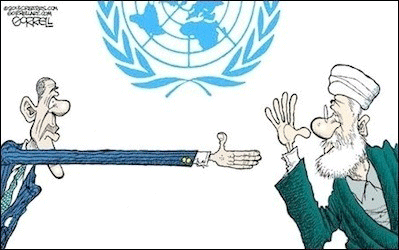
The American retreat from the Middle East signals weakness, and encourages an Iranian quest for regional hegemony that was bolstered by the P5+1 nuclear deal. The most dangerous consequence of current American foreign policy in the region is the likelihood of nuclear proliferation. Moreover, the current American approach allows for Russian encroachment in the region, which enhances the power of the radical axis led by Iran. It also opens the way for the ‘Finlandization’ of the Gulf and the Caspian basin by Iran. US weakness in the Middle East inevitably will have ripple effects in other parts of the globe.
Israel needs a more active and aggressive diplomatic strategy to thwart what seems to be an escalating campaign of pressure from the international community on the Palestinian issue; a campaign that President Obama can be expected to lead in his final months in office.
From an Israeli perspective, the recent strengthening of alliance ties with Greece and Cyprus constitutes a win-win situation. A new geopolitical bloc is emerging that has military and political significance, and stands as a counterweight to Turkish ambitions. Stronger Israeli relations with Greece and Cyprus may also serve to encourage Turkey to show more flexibility in negotiations regarding normalization of ties between Ankara and Jerusalem.
North Korean adventurism only adds to Israel’s proliferation concerns. North Korea's fourth nuclear test, the P5+1 agreement to lift Iranian sanctions, and the billions of dollars' worth in deals between Tehran and Asian and European companies, together constitute a significant challenge. In addition, Jerusalem faces a difficult task of being the watchdog that monitors Iran’s adherence to the nuclear deal.
A review of the four rival camps into which the Middle East is today divided. 1. Iran with her proxies and allies; 2. Salafi Jihadists, currently dominated by the so-called Islamic State; 3. Muslim Brotherhood movement in its various manifestations, including Hamas, supported by Qatar and by Erdogan's Turkey; 4. The “forces of stability” -- all those who fear and resist the rise of the first three camps, with Israel an active and important player in this latter camp.
The reasons for the dislike of Israel are numerous and often reinforce each other. Christianity and Islam, the religions adhered to by most of the world, are critical of Judaism for its rejection of their terms for redemption, while Israel’s unique story of an ancient people returning to the homeland is not easily accepted.

Accessibility Toolbar