Perspectives Papers

Perspectives Papers provide analysis from BESA Center research associates and other outside experts on the most important issues pertaining to Israel and the Middle East.

View Archive

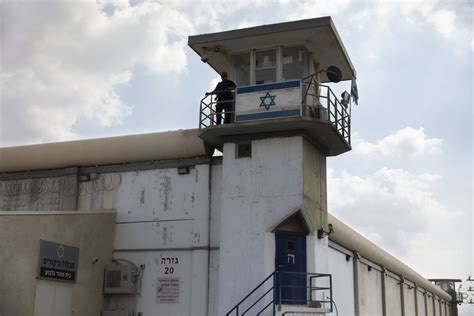
Recent events, including the escape of six terrorists from Gilboa Prison and the death of Sgt. Barel Hadaria Shmueli, who was shot point blank by a Palestinian terrorist, represent a wake-up call for Israelis who have grown too accustomed to the pursuit of day-to-day quiet as a strategic choice. Whether Israelis recognize it or not, they are in a state of war with their enemies.
Unlike Israel’s earlier peace agreements with Egypt and Jordan, the Abraham Accords involved Arab countries that do not border Israel, have never fought it on the battlefield, and are relatively unburdened by the Palestinian question. Accordingly, they were able to implement a “people to people” peace that eluded their predecessors.
On June 4, Russian president Vladimir Putin signed a law banning “individuals designated as ‘extremists’ from running for public office.” There is little doubt that the legislation is aimed primarily at opposition leader Alexei Navalny, now in prison, and whoever supports him. 
The US invaded Afghanistan in 2001 to overthrow the Taliban regime and al-Qaeda after the 9/11 attacks. Iran opposed the US presence, as it strove (and continues to strive) for regional hegemony. Despite its distaste for the Sunni Taliban, Tehran constantly undermined US efforts to stabilize Afghanistan by collaborating with the extremist group.

Accessibility Toolbar