Perspectives Papers

Perspectives Papers provide analysis from BESA Center research associates and other outside experts on the most important issues pertaining to Israel and the Middle East.

View Archive

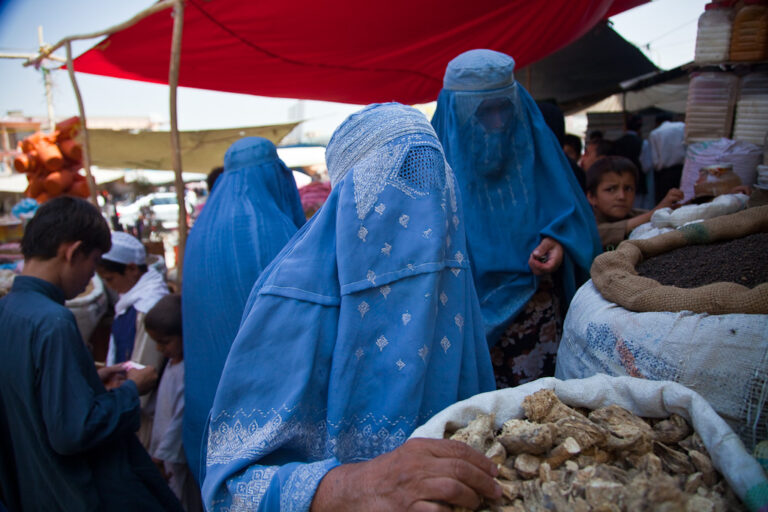
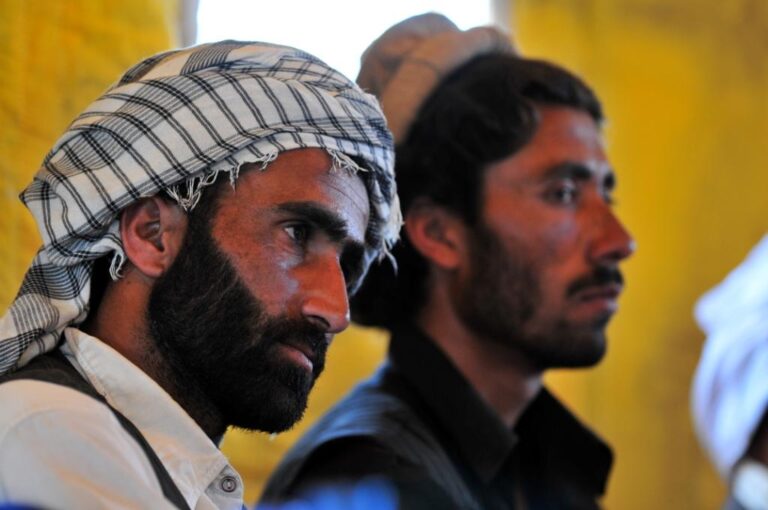
Having taken control, the Taliban want the world to believe that they have become more pragmatic and inclusive in the twenty years since they brutally ruled Afghanistan. Whether this pretense is genuine will be determined by the group’s attitudes towards jihadists and other terrorists, ethnic and religious minorities, women, and governance.
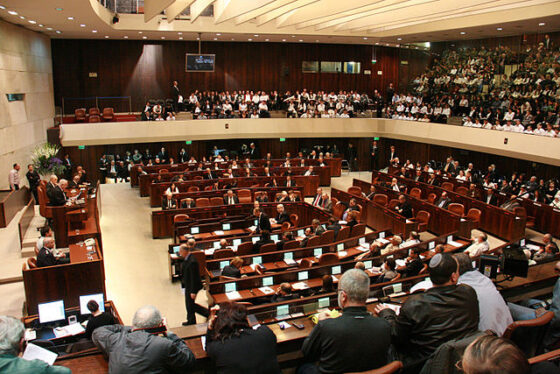
The State of Israel is in a political crisis that reflects deep social rifts. At the Herzliya Conference in 2015, then-president Reuven Rivlin noted that demographic processes had created a new Israeli order in which four main tribes—secular, religious, ultra-Orthodox, and Arab—are increasingly hostile to one another. The concept of tribalism has long applied to the history of the Jewish people. How can the modern State of Israel emerge from this political chasm?
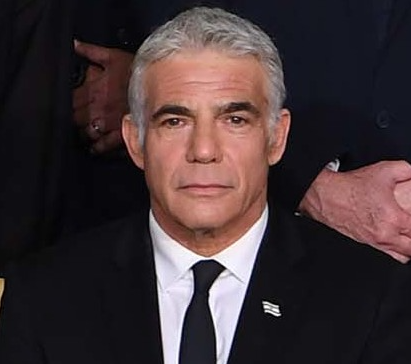
In these early days of the new Israeli government, FM Yair Lapid is already trying to achieve a new turning point in the country’s foreign policy. One wonders whether he conducted any professional staff work before publicly outlining his progressive agenda. The fact that PM Naftali Bennett has been silent on this matter seems to indicate a serious problem in the country’s political culture. Bennett would do well to heed David Ben-Gurion’s credo that “an Israeli prime minister must also be his own foreign minister.”
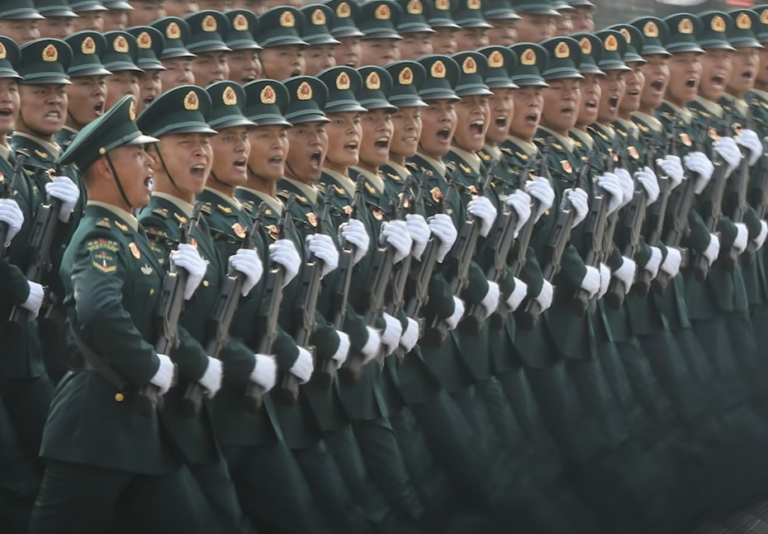
Following the withdrawal of the US from Afghanistan, Washington is allegedly trying to reestablish a military presence in Central Asia, similar to what it did in the early 2000s. Though some level of cooperation is possible with Russia within the framework of great power relations (and much still depends on Moscow’s goodwill), China opposes any American military or security expansion near its restive Xinjiang province.

Accessibility Toolbar