Perspectives Papers

Perspectives Papers provide analysis from BESA Center research associates and other outside experts on the most important issues pertaining to Israel and the Middle East.

View Archive

The summit of Presidents Joe Biden and Vladimir Putin in Geneva last month was the most important event of Biden’s tour of Europe. While Washington hopes to contain Beijing, Moscow seeks to better its position in the world. Such a recalibration could have an impact οn the Eastern Mediterranean, a region only briefly mentioned during Biden’s European trip. The Israeli-Greek-Cypriot dialogue format remains relevant, but it will need to be carefully adjusted to reflect superpower competition.
The King of Jordan has apparently reached the conclusion that opening the door to the extremist Shiite regime in Iran will save his country from its many crises. While it might allay those crises in the short term, this alliance will likely end with Jordan sinking into a state of total Iranian domination, as did Lebanon, Iraq, and Yemen.
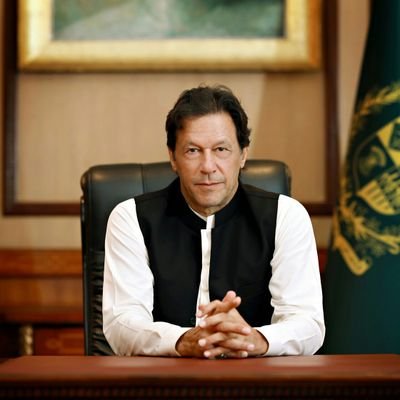
Pakistan’s place in the new world order is anybody’s guess. Recent policy moves suggest options that run the gamut from a state that emphasizes religion above all else to a country that forges a more balanced relationship with China and the US.
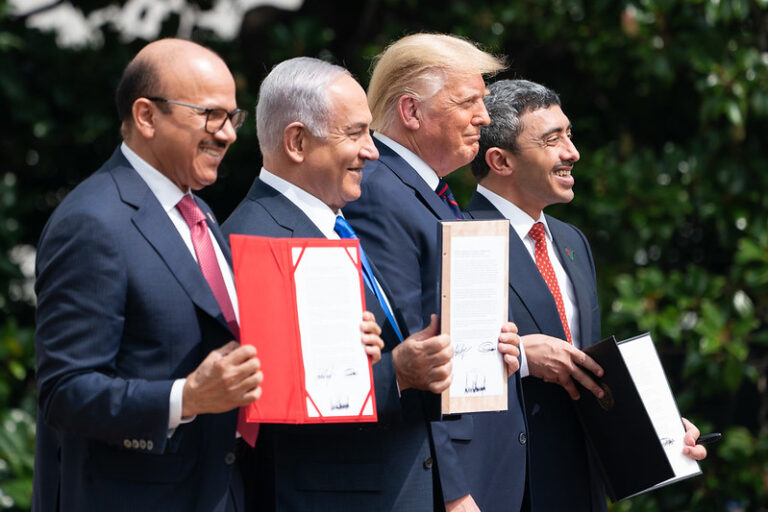
Arab states and their leaders do not treat Israel as they treat other countries. This includes even simple greetings on the occasion of a new government’s being installed. The main reason is the sympathy the Palestinian issue enjoys on the street in those nations, though the leaders themselves largely despise the Palestinians. The ascent of a Muslim Brotherhood-affiliated politician to the ruling coalition in Israel attracted much more interest in the Arab press than the ascent of Naftali Bennett to the PM position.
The latest IAEA inspection reports on Iran show a continued escalation in a wide array of nuclear activities prohibited by the JCPOA, including accumulation of enriched uranium in quantities that exceed the limits set in the agreement as well as increasing levels of enrichment. Moreover, the reports complain that the Iranian regime is constantly hindering the Agency’s verification measures, leading to an ever more significant decline in its ability to ascertain and report on the details of Iran’s nuclear activities. The IAEA’s access, already limited, was further curtailed on June 24, when temporary agreements reached by the Agency with Iran expired. In the background is the victory of Ebrahim Raisi in the Iranian presidential election and the ascendance of a more extremist government than that of Rouhani.
The Kremlin's fixation on competing with the West might cost Russia dearly, as its clout in Central Asia is under strain from a rising China. Moscow will try to mitigate the tilting balance of power by applying methods of the post-liberal world order to the region. China and Russia might reach a condominium in which issues of economy and security are subdivided between them.

Accessibility Toolbar