Perspectives Papers

Perspectives Papers provide analysis from BESA Center research associates and other outside experts on the most important issues pertaining to Israel and the Middle East.

View Archive

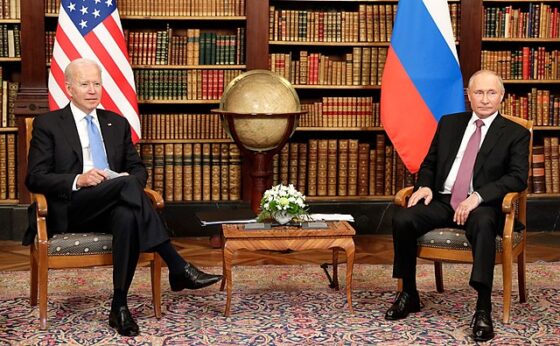
Many are still wondering whether Vladimir Putin’s massive troop deployment in conflict zones in the Donbas and the Crimean Peninsula in the spring of 2021 was preparation for eventual war and territorial gain or simply a public relations exercise meant to intimidate Ukraine and the West. The answer has to do with Putin’s main red line.
US and Canadian embargoes are threatening Turkey’s attack helicopter and drone sales to third-party countries. Ankara has come up with a corporate legal solution to this problem, but it might fail to overcome the political impetus behind the export restrictions.
Belarus is growing increasingly isolated and is pushing itself more and more into Russia's embrace. Moscow is taking the opportunity to cement Belarus as a buffer state against Western geopolitical influence. But contrary to the established analysis, unless there is a real chance of a pro-Western government being installed in Minsk, Russia is unlikely to push for any radical scenarios, including full integration.
The New York Times continues to present anti-Israel propaganda as news. In the latest example, the paper published a 15-minute video alleging Israeli war crimes during the May conflict in Gaza. The sources called upon by the Times to back up these claims are exclusively members of NGOs known for their hostility to Israel. Not a single genuine expert on either the specifics of the incident in question or international law was used as a source in the Times’s highly misleading and biased report.
Ambassador Arye Mekel played a vital role as a catalyst for the improvement of Greek-Israeli relations from 2010 until 2014. At a time when the two countries still did not know each other very well, he was instrumental in facilitating dialogue and brought the relationship to unprecedented heights. He believed passionately in this ambitious goal and patiently worked toward its realization. His contribution to Greek-Israeli friendship, which continues to deepen, will not be forgotten.
Much of the coverage and commentary surrounding the fighting in May between Hamas and Israel has focused on numbers, especially the much larger number of Palestinians than Israelis killed. The number of deaths is actually very low for such an intense conflict, a testament to Israel’s Iron Dome and civil defense systems, and its use of precision weapons and warnings aimed at minimizing Palestinian civilian deaths. Of course, Hamas aims to kill as many Israeli civilians as possible, but its rockets place both Israelis and Palestinians in peril, because many of those rockets—in this case 680—misfire and explode inside Gaza. The death and destruction caused is, of course, usually blamed on Israel. The question addressed here is how many Palestinians are likely to have been killed by these errant Palestinian rockets in May. The estimate arrived at is 91, amounting to 36% of the alleged Palestinian death toll.
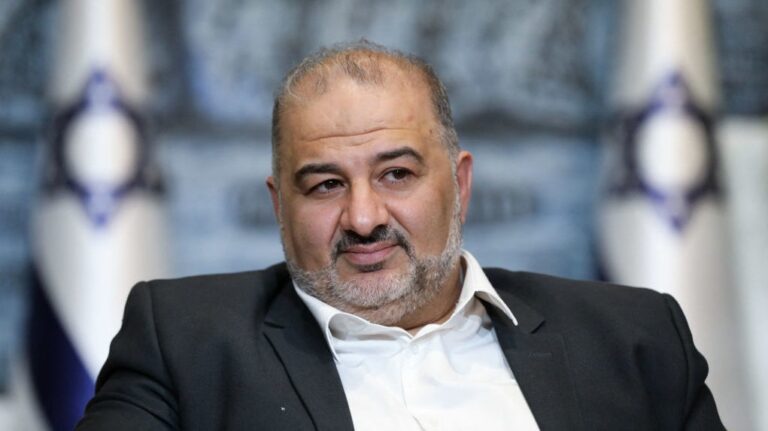
In an attempt to justify breaking his repeated promises not to form a government with the support of the United Arab List (Ra’am) because of its opposition to Israel’s existence and backing of Palestinian terror organizations, new PM Naftali Bennett is portraying Ra’am as a pragmatic Islamic party seeking to advance the interests of the Israeli Arab sector. But pragmatism must not be confused with moderation.
Hamas will always prioritize its radical ideological and political objectives over pragmatic considerations whenever those two factors come into conflict. As Israeli decision makers monitor Hamas’s renewed efforts at force build-up following Operation Guardian of the Walls, they face dilemmas as they look for “least-worst” options.
Iran, Turkey, and Russia are building a new model of bilateral ties. Unshackled by formal alliances, the trio is showing it can work together to limit Western influence while avoiding an overreliance on one another. This mixture of correlating and contradictory interests, which characterizes the new Eurasianist model of bilateral relations, is a product of the changing global order.

Accessibility Toolbar