
Perspectives Papers

Perspectives Papers provide analysis from BESA Center research associates and other outside experts on the most important issues pertaining to Israel and the Middle East.

View Archive

In recent years, the common refrain that US involvement in Middle Eastern conflicts is costly, counterproductive, and morally and practically indefensible has taken hold in foreign policy circles and reflects the popular mindset that brought Donald Trump to power. However, closer examination of three of the sprawling conflicts plaguing the Middle East region today—Syria, Libya, and Yemen—shows that by abdicating regional responsibilities, the US has contributed to the globalization and perpetuation of “endless wars.”
While public gatherings for the sake of communal prayer have been severely restricted in the name of public safety during the coronavirus pandemic, no such restrictions have been placed on public demonstrations. The right to demonstrate is apparently a sacred cow that cannot be interfered with under any circumstances, unlike the right to pray in the manner of one’s tradition.
The security barrier between Israel and the West Bank constitutes one of the most prolonged and expensive projects Israel has ever carried out, and its adverse implications for Israel’s future borders are of profound significance. The massive crossing of the barrier in recent weeks by West Bank Palestinians offers an opportunity to open the eyes of the public to its real function as a dangerous political ruse in the guise of security.
The recent revelations about Sa’ad Jabri, an Islamist and corrupt former Saudi intelligence officer, highlight the discrepancy between Western institutions' criticism of Saudi Arabia in the name of human rights and their support for the former officials most responsible for human rights abuses and security threats associated with the Kingdom. A tangled web of relations between pro-Brotherhood Muhammad bin Nayef regime apparatchiks, pro-Qatar members of US law enforcement (like Ali Soufan), and ideologically sympathetic intermediaries (like Jamal Khashoggi) are threatened by Muhammad bin Salman's reforms.
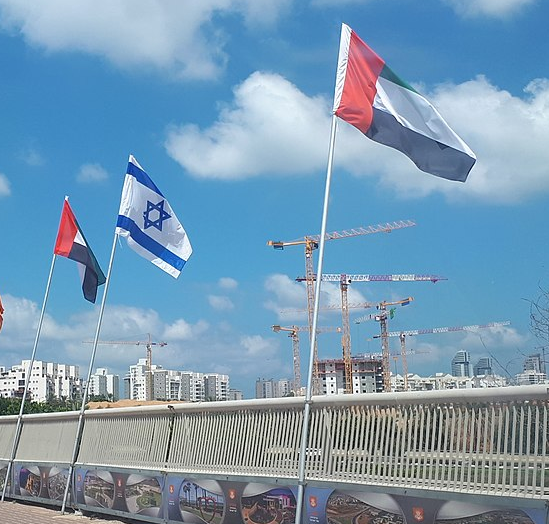
Turkey is protesting the UAE for establishing diplomatic relations with Israel—even though Ankara has had diplomatic relations with Israel for the past 71 years. If the UAE, as Ankara argues, has betrayed the “Palestinian cause” just by having diplomatic relations with Israel, then Turkey has been betraying the “Palestinian cause” since 1949.
US pressure might have been an immediate impetus behind the recently leaked Iran-China deal, but the two states have deep historical and ideological ties that drive them together. With that said, the Iranian regime’s ultimate goals will not allow for outsized Chinese influence. Any attempts by Beijing to thwart Iran’s progress toward those goals will not be tolerated by Tehran, meaning the success of the deal is far from guaranteed.

Accessibility Toolbar