Perspectives Papers

Perspectives Papers provide analysis from BESA Center research associates and other outside experts on the most important issues pertaining to Israel and the Middle East.

View Archive

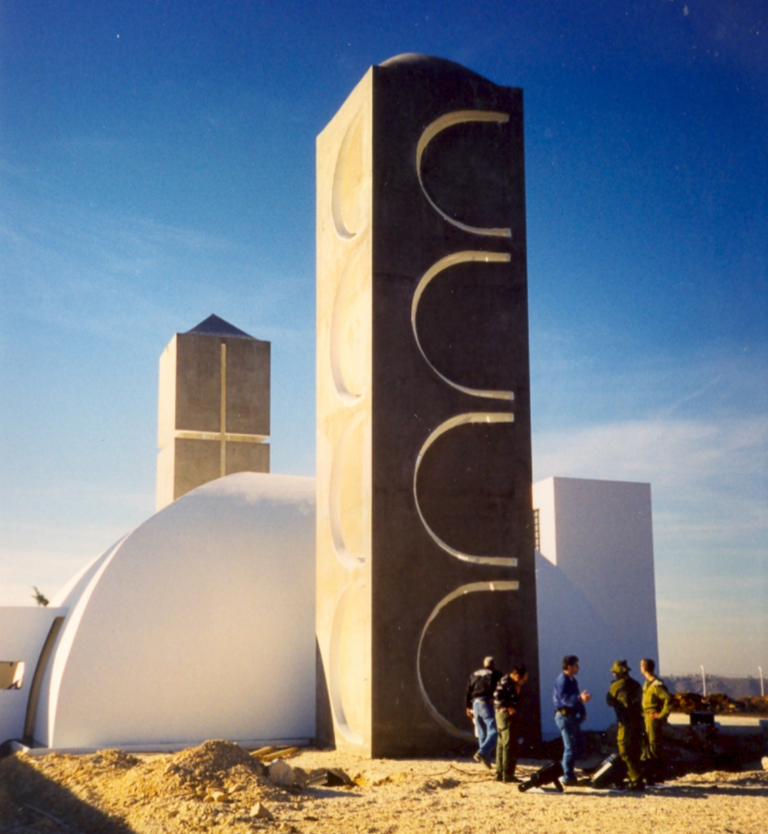
Israel’s May 2000 rushed evacuation of its security zone in south Lebanon and the desertion of its longstanding local allies there tarnished the Jewish State’s deterrent posture and helped spark a string of large-scale armed confrontations with Hezbollah (2006), the PLO (the so-called “al-Aqsa Intifada”), and Hamas (2008/9, 2012, 2014). The withdrawal transformed south Lebanon into an ineradicable terror entity that can harass northern Israel at will and expedited Hezbollah’s evolvement into a formidable military power armed with 150,000 rockets and missiles capable of reaching anywhere in Israel. It also dented the IDF’s fighting ethos and operational competence, as illustrated by its lukewarm performance during the Second Lebanon War (2006) and Operation Protective Edge (2014).
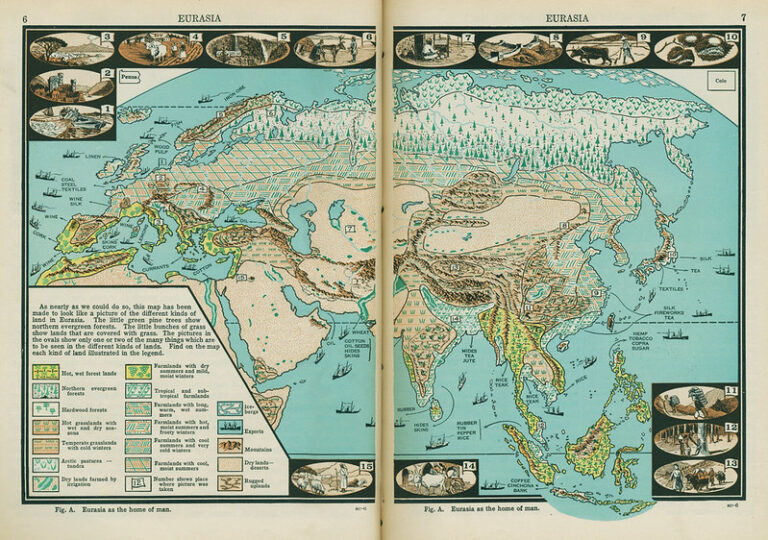
Geopolitical trends of the last two decades show that pivotal states in Eurasia are working to recreate their zones of influence. In so doing, they are challenging the US, which implies a corresponding challenge to the existing world order. Though Washington will be able to limit some powers’ ambitions, it has few tools with which to hamper the ambitions of Russia, China, and Iran.
Muslims around the world are in the middle of celebrating the month-long holiday of Ramadan. This year, several of the television series produced to be aired during the holy month contain surprisingly positive depictions of Jews and Israel, much to the consternation of the Palestinians.
The American turn toward Jacksonian isolationism could ultimately put it in the difficult position of having to exercise hard power to fill the very gap it created. As rogue elements take the opportunity left by the American retreat to try to impose their maximalist goals on the Middle East and the Eastern Mediterranean, American foreign policy finds itself at a historic crossroads with little time left in which to act.
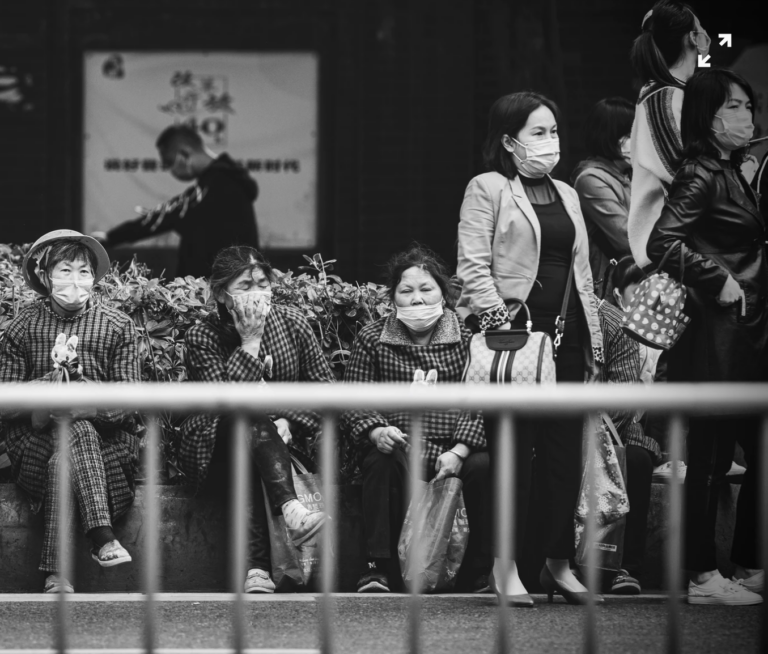
Many governments have responded to the coronavirus pandemic by pushing aside civil rights. It is not yet clear whether this shift in national attitudes toward fundamental rights will continue over the long term or how that trend will manifest. During the crisis, governments approved the tracking of citizens as well as other tools that infringed their privacy. Once the need for emergency measures has passed, discussions—both civil and legal—will grow more intense over how much longer civil rights should remain compromised.
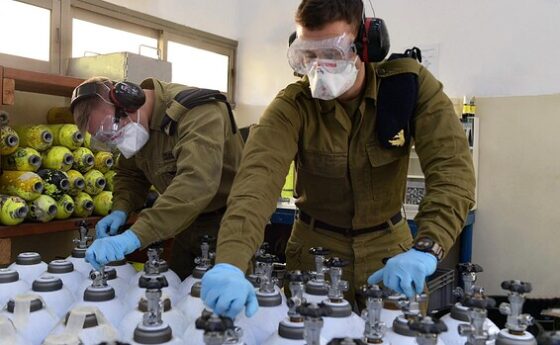
Notwithstanding the difficult challenges of the coronavirus crisis and a deteriorating economy, Iran is pushing ahead with its uranium enrichment and missile and space programs as well as its activities in Syria. It also has yet to concede to the US in their clash over sailing in the Gulf. Tehran fears that any sign of weakness might endanger the Islamist regime, particularly as resentment continues to grow among ordinary Iranians. With that in mind, it is doing all it can to flex its muscles for both domestic and international audiences.

Accessibility Toolbar