Perspectives Papers

Perspectives Papers provide analysis from BESA Center research associates and other outside experts on the most important issues pertaining to Israel and the Middle East.

View Archive

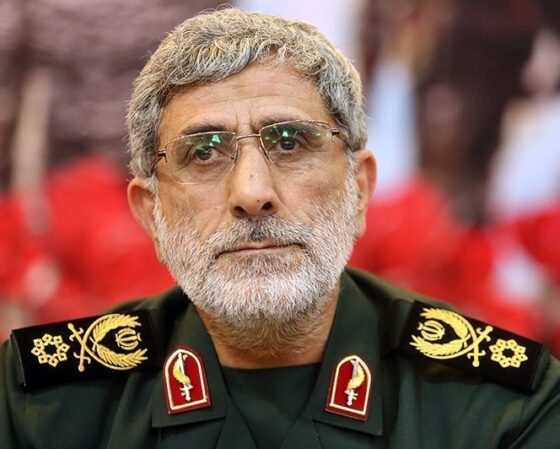
The recent visit to Iraq by the new Quds Force commander, Esmail Qaani, had several purposes: to display the continuity of Tehran’s involvement in the country, to rally the Shiite factions against the formation of a pro-US government by Adnan Zurfi, and to enable Qaani to stake a claim as a worthy successor to Qassem Soleimani. Yet Zurfi’s abdication and his replacement by Mustafa Kadhimi does not necessarily constitute an Iranian achievement because of Kadhimi’s diverse political associations and ties across the Middle East and the international arena.
The coronavirus crisis is rattling 19 highly indebted European nations and exposing a potentially fatal lack of communitarian spirit within the EU. European countries have applied a me-first response, imposed export bans on vital medical equipment, and put up border controls that have left European citizens stranded. In a particularly shameful abdication of responsibility, EU members failed to give desperately needed medical assistance and supplies to Italy during the outbreak. The UN, meanwhile, has performed no genuinely helpful service whatsoever during the global crisis.
The recent news about the involvement of Iranian diplomats in the murder of an Iranian dissident in Turkey sparked a flare of international interest from within the all-encompassing coronavirus pandemic coverage, largely thanks to unflattering comparisons with coverage of the Jamal Khashoggi murder in 2018 (which the Iranian press promoted with gusto). The relative lack of interest in the crime from within Turkey itself reflects Ankara’s willingness to consort with Shiite Islamists to its own advantage.
States all over the world stand to lose a great deal economically from the coronavirus pandemic. But in the case of China, there is an additional significant dimension to the crisis: the West will grow increasingly distrustful of Beijing, which will further widen an already gaping geopolitical divide. Calls in the West for an economic decoupling from China as well as increasing demands that Beijing comply with Western economic, health, and political standards could complicate China’s global aspirations.
After years of falling in line with German priorities at the EU by focusing on economic matters, French president Emmanuel Macron is now an advocate for change. He believes geopolitics should be interwoven into the future of Europe and proposes an ambitious new strategic doctrine—one that challenges the conventional wisdom on NATO, Russia, and China; emphasizes the EU’s role in world affairs; and boosts the French presence in the Eastern Mediterranean. But the ongoing coronavirus crisis has put his plans on hold. As the pandemic continues to wreak havoc on the Continent, Macron is calling for greater solidarity and supports the issuance of joint European debt to finance the fight against the virus—an idea Germany is resisting.
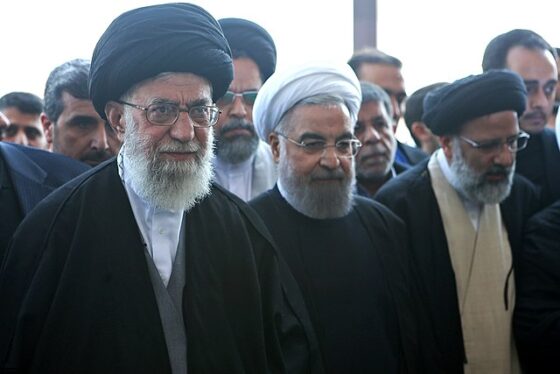
Iran is struggling with a devastating coronavirus outbreak, a broken economy, and a severe shortage of medical equipment. Iran’s lack of transparency about its coronavirus outbreak has resulted in a catastrophic public health risk not only to the Iranian people but also to its neighbors. Tehran has confirmed more than 47,000 cases and more than 3,000 deaths, though public health experts estimate the real toll to be significantly higher.
Once the critical danger to public health posed by the coronavirus has passed, there will be a multitude of issues to be urgently addressed, and the global economy will have to be a top priority. Planning should begin now, as enormous government interventions will be necessary. Where vast amounts of money are at stake, critical assessments have to be made ahead of time and throughout the process to avoid waste and abuse. 

Accessibility Toolbar