Perspectives Papers

Perspectives Papers provide analysis from BESA Center research associates and other outside experts on the most important issues pertaining to Israel and the Middle East.

View Archive

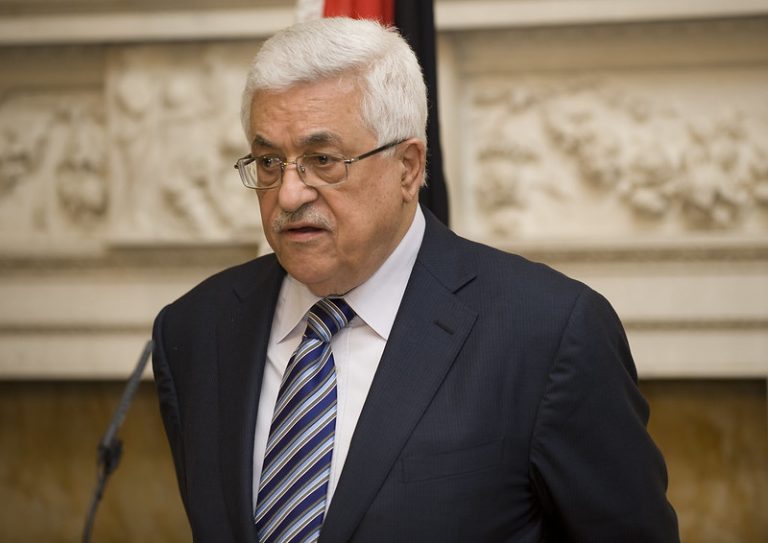
The diplomatic campaign Mahmoud Abbas has been waging for a decade and a half is no less dangerous to Israel than the “armed struggle” led by Hamas and Islamic Jihad in the Gaza Strip. With the growing influence of Iran and the advent of a new array of threats on Israel’s borders to the north and south, renewing negotiations with Abbas on the basis of the Barak-Olmert framework would entail an existential threat to Israel.
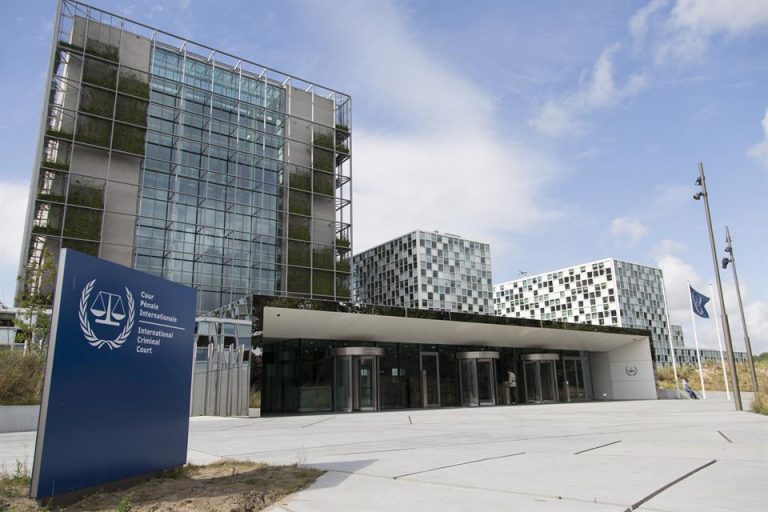
The International Criminal Court (ICC) at the Hague has an abysmal record. It has few convictions, yet in the 17 years of its existence has spent more than $1.5 billion. The ICC’s decision to investigate supposed Israeli war crimes is a largely political ruling. Israel should confront the court by exposing that its multiple deficiencies far exceed its merits.
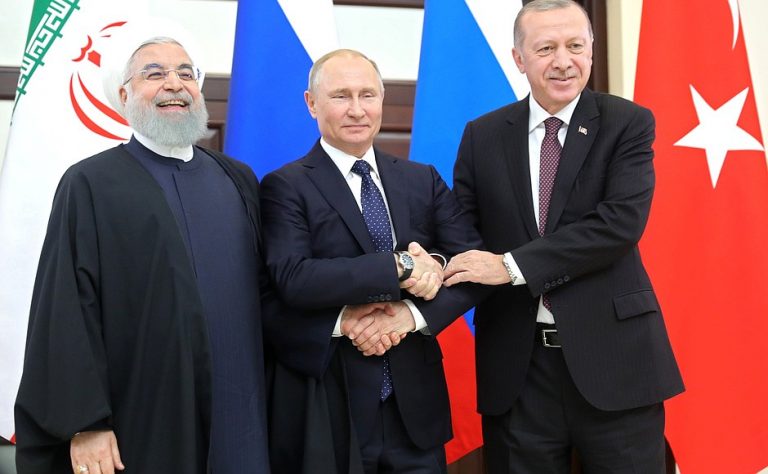
Iran is now assessing whether it should retaliate further against the US for the targeting of Qassem Soleimani, and if so, how. Its relationships with Russia and Turkey might look warm, but they are troubled. Neither is likely to leap to Tehran’s side in its clash with the US. Israel should exploit Iran’s fissures with Russia and Turkey to its advantage.
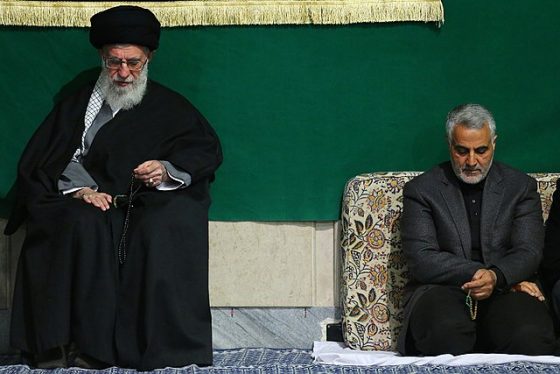
Tehran has announced it is withdrawing from the 2015 nuclear deal following the killing by the US of Quds commander Qassem Soleimani. It also stated, however, that it will continue to cooperate with the IAEA and expressed its willingness to return to the deal if the economic sanctions are lifted. This suggests that despite its repeated violations of the nuclear deal over the past year, Iran is reluctant to escalate conflict.
Many in the West have expressed great dismay at the killing of Iranian commander Qassem Soleimani. Such responses to the removal of perhaps the world’s leading terrorist seem to suggest that the democratic West has descended into decadence. If that is the case, it is worth examining the extent to which the liberal-left dominance of much of Western public discourse is undermining the stability of democracy itself.
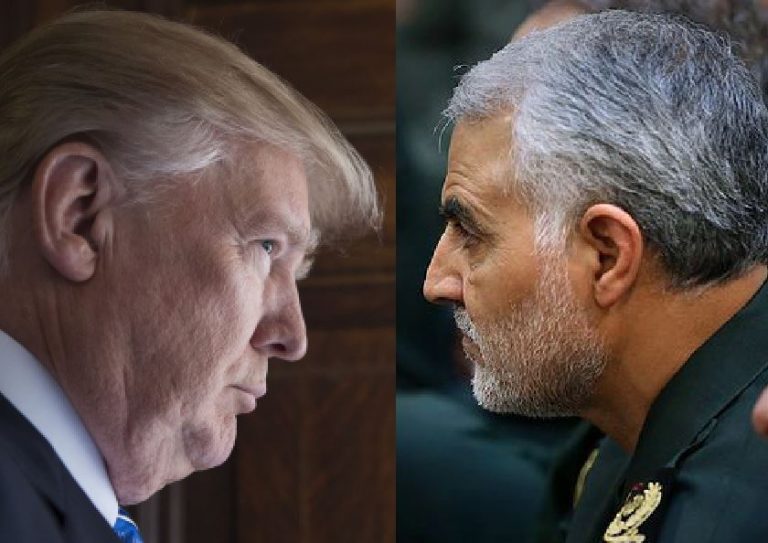
The US House of Representatives has passed a resolution, initiated by the Democrats, to restrict President Donald Trump's ability to conduct military operations against Iran. If approved by the Senate, the resolution could adversely affect the US campaign to prevent Iran from becoming a nuclear power and other important security issues in the Middle East.    
The three impeachments to date in US history (Andrew Johnson, Bill Clinton, and Donald Trump) and the Nixon impeachment inquiry and resulting presidential resignation shed light on the current Constitutional meaning of impeachment and how it will affect the future relationship between Congress and the executive branch.  Impeachment and conviction as a check by Congress on the president may have been eliminated altogether. The American people no longer trust their political institutions, processes, or politicians to provide accountability.

Accessibility Toolbar