
Perspectives Papers

Perspectives Papers provide analysis from BESA Center research associates and other outside experts on the most important issues pertaining to Israel and the Middle East.

View Archive

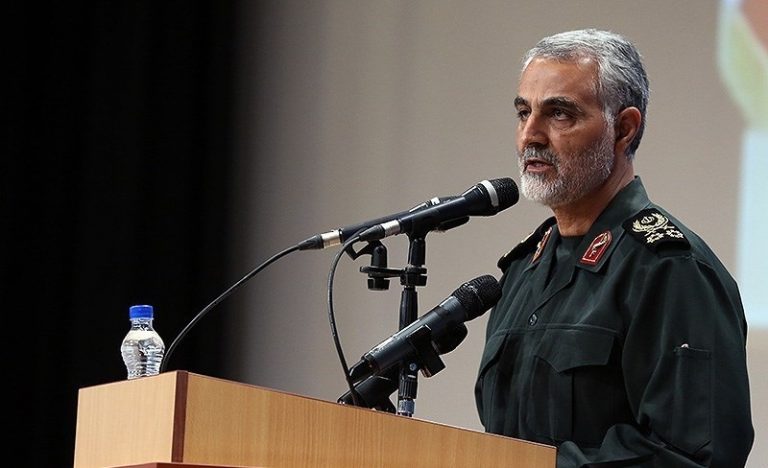
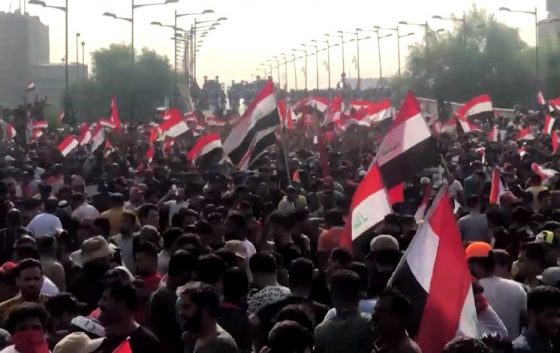
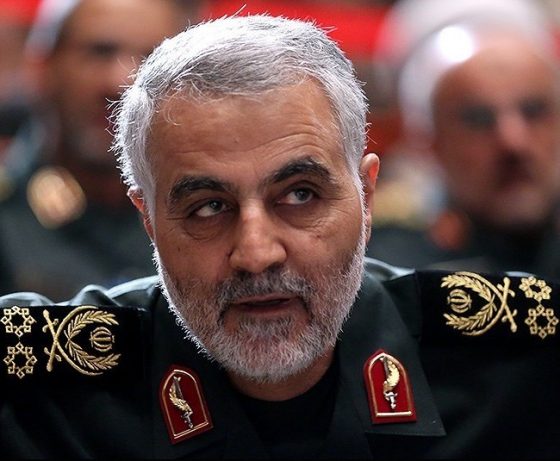
The killing of Qassem Soleimani could prove to be a turning point in the history of the Middle East as a whole, but first and foremost in Iraq. That country has been contending for months with a popular uprising that has produced chaos and turned it into an arena for a titanic battle between Iran and the US.
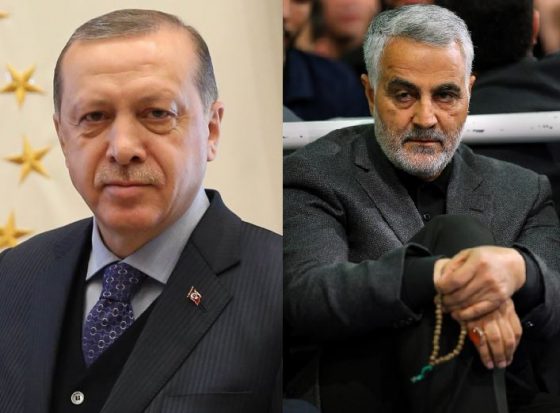
The Turkish Foreign Ministry’s belated statement in response to the Soleimani killing was dry in its language, reflecting the government’s confusion over what position to take. While the government is expressing itself with caution, the Islamist pro-Erdoğan press is expressing a wide range of often contradictory responses. The lack of clarity in Ankara over the Soleimani affair betrays Turkey’s directionless regional policy.
The American Jewish Left has once again fallen in line with the Palestinian demand that the Israeli-Palestinian conflict always be conflated to a problem of “occupation,” regardless of facts or history. By leaping to condemn Mike Pompeo’s factual statement that Israeli West Bank “settlements” do not violate international law, American Jewish leftists joined forces with the BDS movement, which views the entirety of Israel as “occupied.”
The new DG of the IAEA, Rafael Mariano Grossi, charged upon taking office on December 3 that Iran has not yet provided an explanation for uranium particles found at a Tehran warehouse. He also protested the abusive behavior of the Iranian authorities toward the IAEA inspector at the end of 2019. However, he has not addressed Iran’s violations of the 2015 nuclear agreement, suggesting that he would like to avoid an antagonistic relationship with Tehran.
Below are the ten most widely read articles published by the BESA Center in 2019. The selections reflect strong reader interest in Israeli national security, especially the looming possibility of direct confrontation with Iran; rising world antisemitism; and Israel’s relations with its Arab neighbors. 
Israel's geographical position means it must stay agile and manage complex relations with its Muslim neighbors through quiet collaboration and smart use of its technological and economic advantages. Over the past two decades, Israel has discovered offshore gas, begun extensive seawater desalination, and dramatically expanded its navy’s platforms and missions. Ten years ago, Israel depended on Egypt's natural gas; nowadays, Israel exports natural gas to Egypt and Jordan.

Accessibility Toolbar