PSCRP

A New Armenian Geostrategy
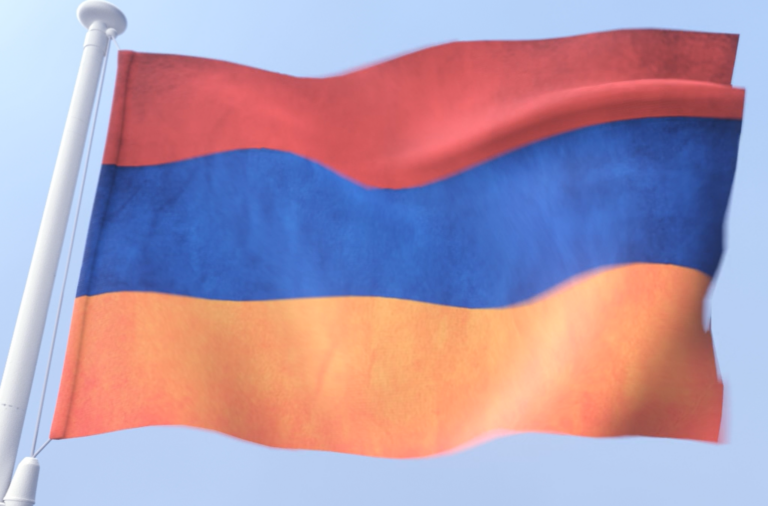
Armenia, like other post-Soviet countries, particularly in the southern region, traditionally pursues a multi-vector foreign policy. The aim of such a policy is to utilize different options to maximize foreign assistance and support. This often involves addressing unconventional tasks to balance conflicting foreign policy vectors. Armenia faces a similar task of balancing in the new configuration.
Since the onset of the full-scale Russian-Ukrainian war in February 2022, Russian authorities and propagandists have been actively exploiting the great-power chauvinistic sentiments of ethnic Russians and Russified representatives of national minorities. “Russian national idea” has acquired an archaic appearance reminiscent of the doctrine of “official nationality”
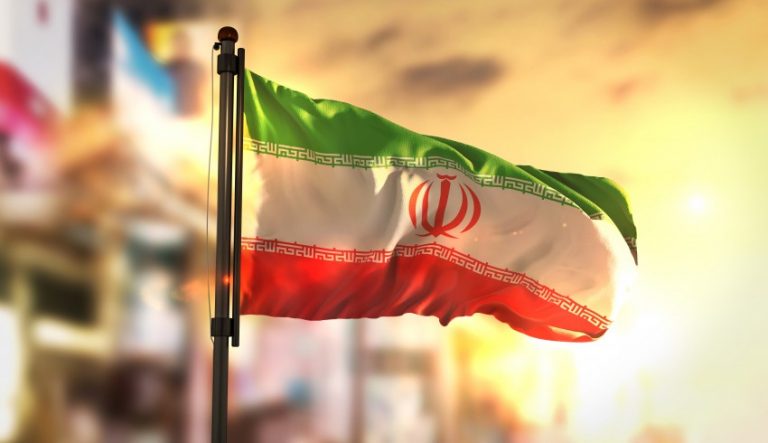
Iranian flag
Iran has been an active player in Central Asia for more than three decades, arguing for its special role in the development of the post-Soviet states of this sub-region — Kazakhstan, Kyrgyzstan, Tajikistan, Turkmenistan and Uzbekistan. For Iran, the existence of ties with Central Asian states is a continuation of centuries-old traditions of historical and cultural relations interrupted during the Soviet era.

Accessibility Toolbar