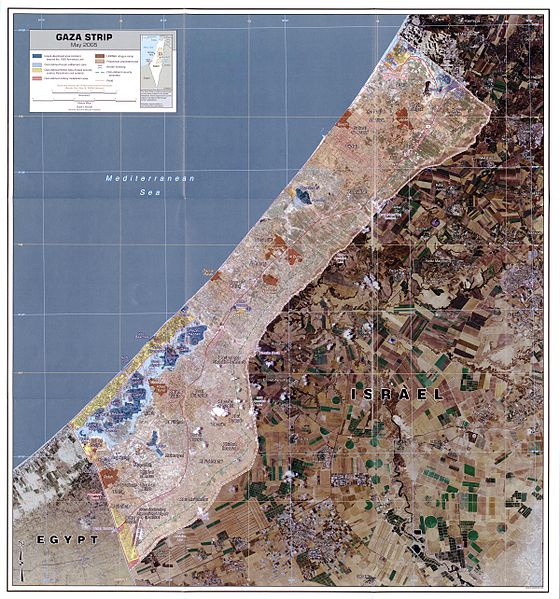
As long as the historic debate about the two-state solution remains unresolved, the future of Gaza in general, and of Hamas’s continued rule of the Strip in particular, will remain open.
Many claim that President Trump’s decision to recognize Jerusalem as Israel’s capital and move the US embassy there has increased violence and instability in the area. Four months after the decision, one can easily disprove this assertion.
When it comes to defending the Gaza border against the physical threat, the responsibility of the Chief of Staff and the commander of Southern Command is clear-cut and well fulfilled. That, however, does not constitute a sufficient response to Hamas’s effort to turn the border fence events into a strategic achievement.
In the so-called "March of Return," Hamas is utilizing a new kind of power in international relations called "sharp power." This term originally referred to the subversion, manipulation, distraction, and lies authoritarian governments employ to undermine liberal democracies. The concept can now be applied to terrorist organizations like Hamas.
Hamas has failed because it is caught between two irreconcilable principles: establishing a modern, functioning state that provides for its citizens while at the same time maintaining a perpetual state of war against the Jewish State. Neither the PLO’s nationalist ideology nor Hamas’s religious nationalism have served the interests of the Palestinian people. Only emirates based on local clans can operate legitimately in the Palestinian-controlled territories.
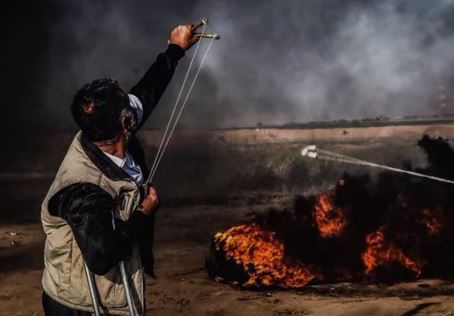
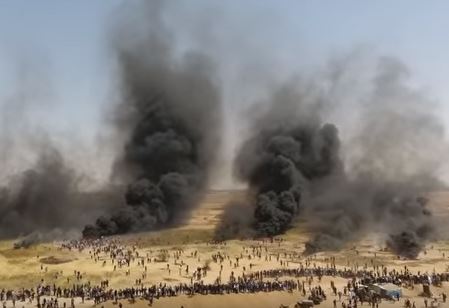
All Palestinian entities and organizations – from the PLO and PA through the factions, Hamas, Islamic Jihad, and the Salafi groups – have long sought to kill or maim Israeli Jews and damage or destroy their property. The March of Return in Gaza, the latest Palestinian innovation, is similarly intended to lead to bloodshed. Hopefully, Israel will be able to quash the event to save both Israeli and Palestinian lives.

Israel was the clear victor in the 2014 Gaza War. That Israel's war aims were achieved by a defensive rather than offensive strategy does not diminish the magnitude of its success.
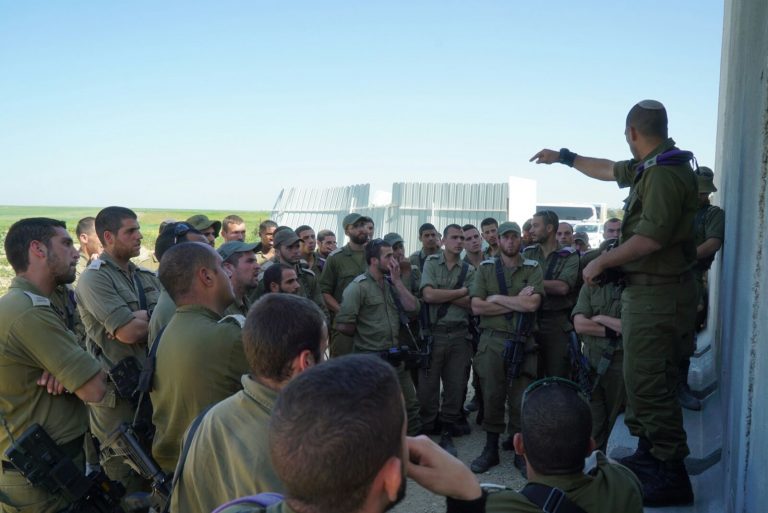
Military drills simulate what the Israel Defense Forces will face in a new kind of ground combat in Gaza – a kind that will inevitably involve civilians amid general chaos.
In all the years of murderous conflict in Syria and Iraq, neither has experienced a humanitarian disaster in the form of a widespread crisis involving mass hunger and the spread of hunger-related diseases. Yet officials warn that such a crisis could unfold in Gaza. How likely is that prognosis? And if it does occur, what should Israel’s policy be?
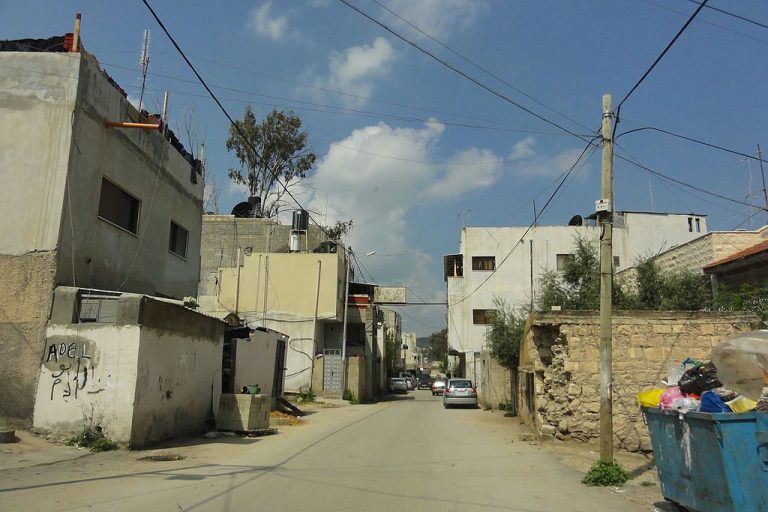
The night of January 17, 2018, we were witness to another reminder of the success of the hard-hitting strategy adopted by the IDF towards the Arabs in the West Bank – and the failure of containment in Gaza. In Jenin, the murderer of Rabbi Shevah was killed and at least one other terrorist apprehended eight days after the crime. Gilad Shalit’s abductors were never punished and his abduction led to the release of over 1,000 terrorists. The lesson: peacemaking must be from the ground up.