Russia

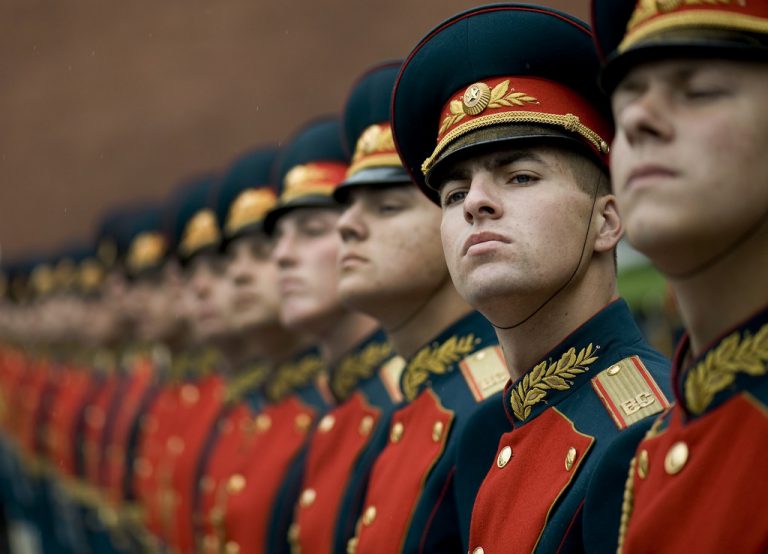
One of the cyclical patterns of Russian history is the country’s perpetual quest for military modernization. This quest was pursued by the Romanovs and the Soviets and continues in modern-day Russia. Military spending is always prioritized over essential economic and social reforms, hampering the country’s competitiveness on the world stage and paving the way for its weakening and eventual disintegration.
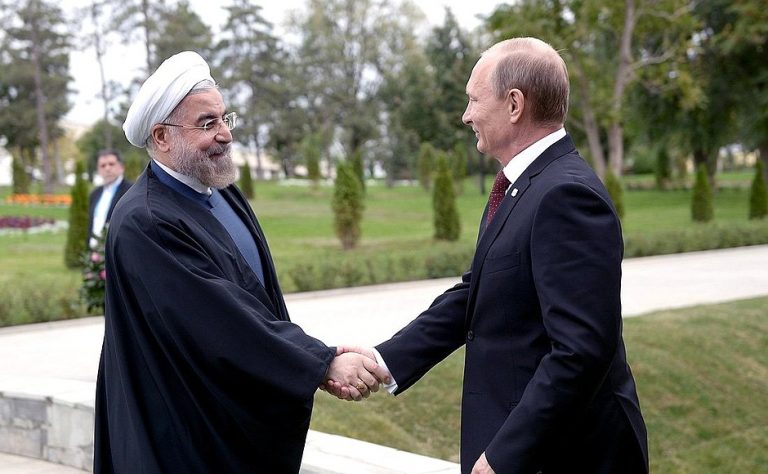
The Syrian theater exemplifies Russo-Iranian cooperation, but there are other theaters in which Moscow and Tehran have cooperated for years. Their partnership in the South Caucasus and the energy-rich Caspian Sea area are examples of this trend. Taken together, these instances of Russo-Iranian cooperation fit into the pattern of “geopolitical chaos” across Eurasia in which Moscow and Tehran, as well as other regional powers, work together to challenge US dominance.
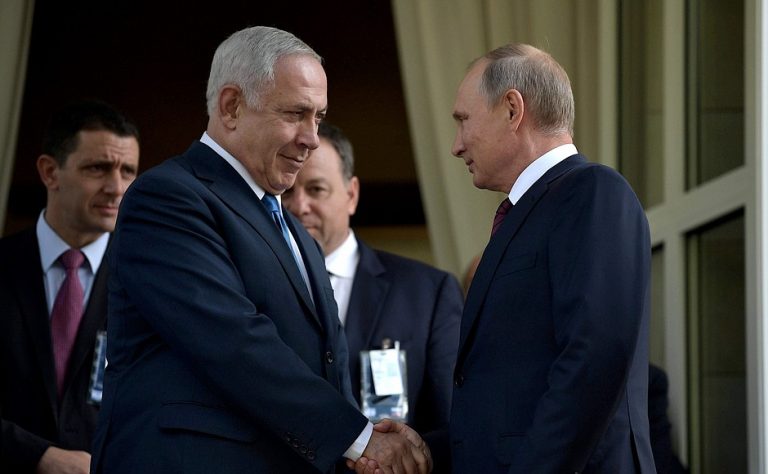
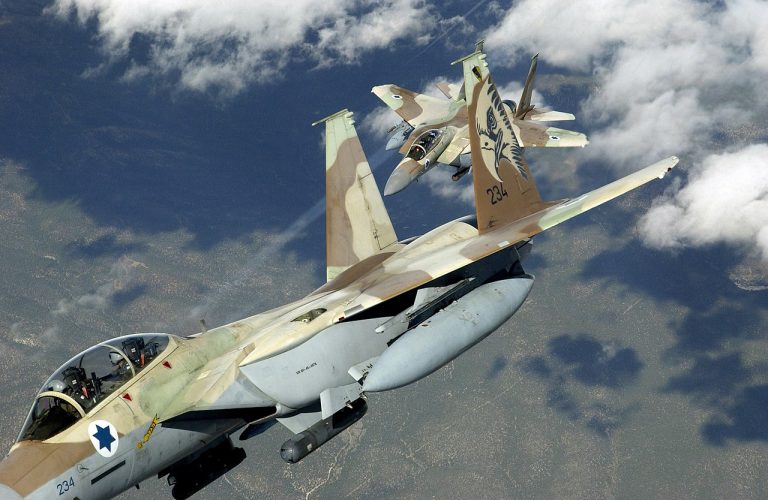
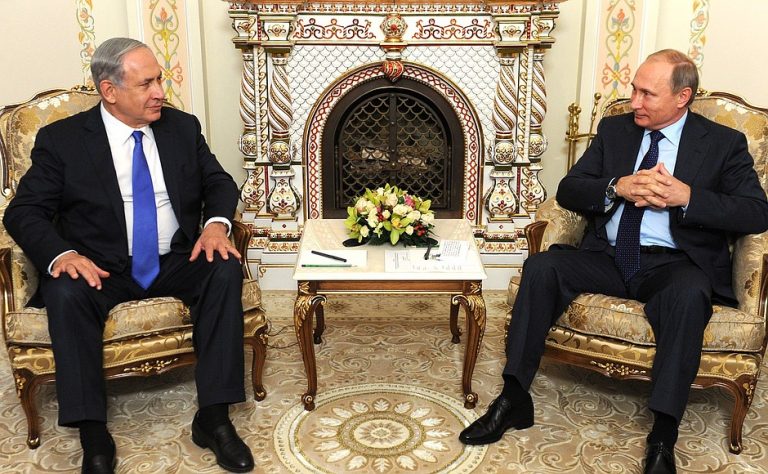
The defeat of ISIS, the emergence of Russia as the patron of the Assad regime, and President Trump’s announcement of the withdrawal of US forces from Syria have affected the policies and alliances of Israel, Iran, the US, and Russia with respect to that country, potentially leading to a wide-scale conflagration. To reduce the risk of war, Israel needs to consolidate its security understanding with Russia over southern Syria.    
Russia and Sweden have fought 12 wars over the course of their histories. In recent years, relations have grown tense once again between the expansionist superpower and the peaceable Scandinavian state. At issue is the Baltic Sea as an energy source.
Competition among Middle Eastern rivals and ultimate power within the region’s various alliances is increasingly as much economic and commercial as it is military and geopolitical. Battles are fought as much on geopolitical fronts as they are on economic and cultural battlefields such as soccer.
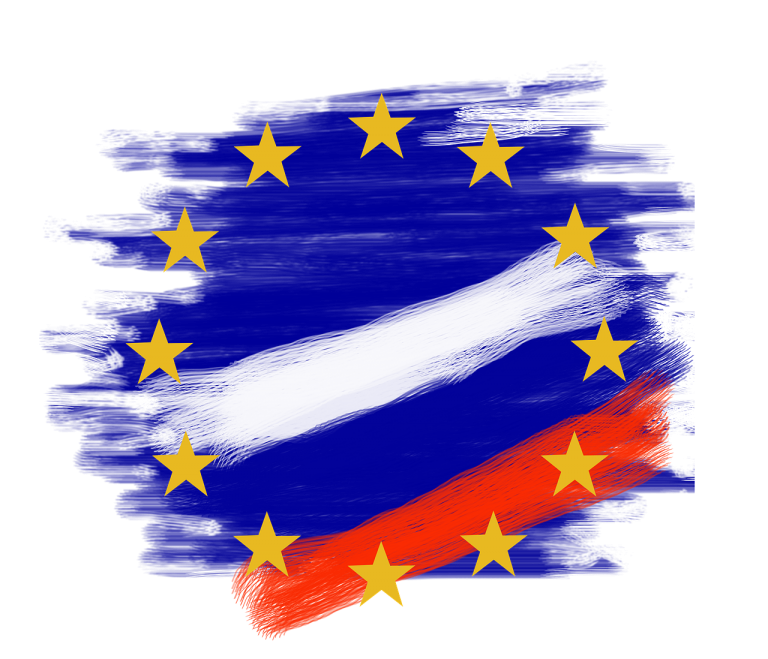
Russia has been subjected to numerous economic sanctions from Western countries that have tried to compel it to abandon its interventions across the former Soviet space. Although sanctions harm Russia’s economy and raise discontent among the population, they are unlikely to change Moscow’s behavior. Russia’s history shows that it is only military pressure that influences it to change.

Accessibility Toolbar