Russia

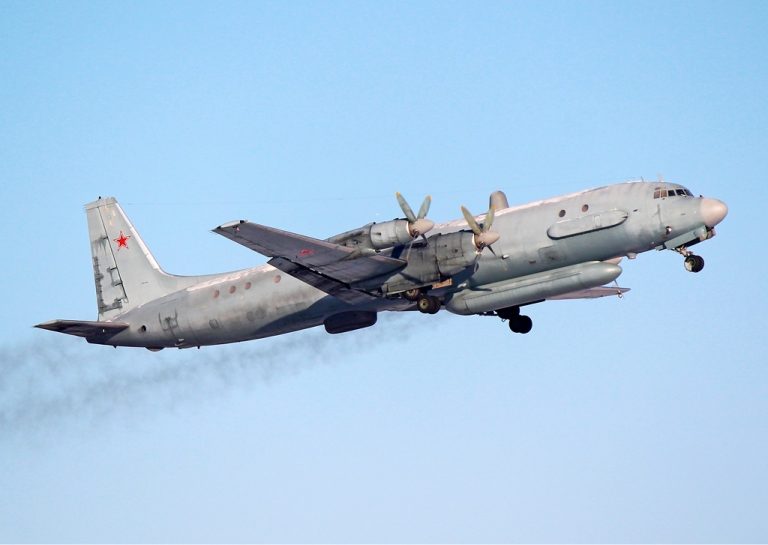
The downing of a Russian air force plane by Syrian government forces was a predictable consequence of the overcrowding of the Syrian battleground. The Russians might genuinely be angry at what happened, but from a geopolitical perspective, they understand that Israel will not abstain from further military interventions in Syria when needed. Israel’s national interest is at stake, and Jerusalem will not allow Iran to increase its already substantial presence.
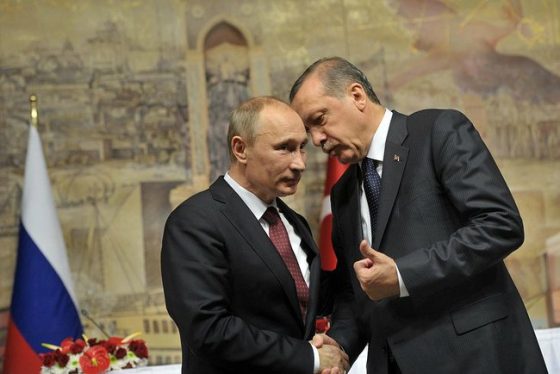
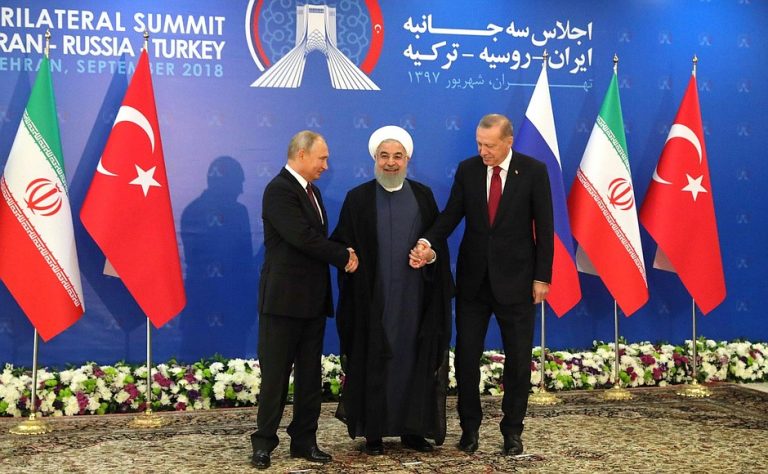
Turkish President Recep Tayyip Erdoğan does not understand that his biggest divergence with Russia is over the future of all of Syria, not just a Syrian province. In theory, it is understandable that he wants to protect the “moderate fighters” because he feels indebted to them for their help to the Turkish army in two cross-border operations. But more than that, he wants to protect them in order to maintain a force that can eventually fight either or both of his two nemeses in Syria: President Assad and the Syrian Kurds.
The downing of the Russian plane requires Israel to reevaluate the continued relevance of its years-long air campaign in Syria. While the struggle to prevent the entrenchment of Iranian forces in Syria and the arming of Hezbollah with “tie-breaking” strategic weapons must continue, the nature and format of the campaign need to be adjusted to the new strategic reality that is being created by Moscow.
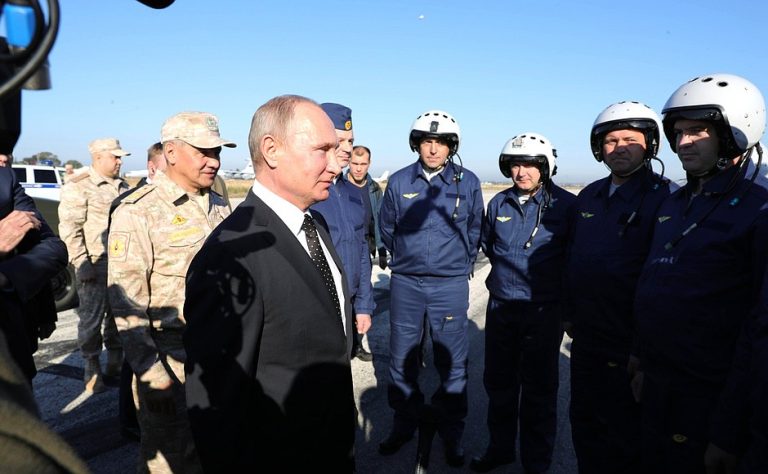
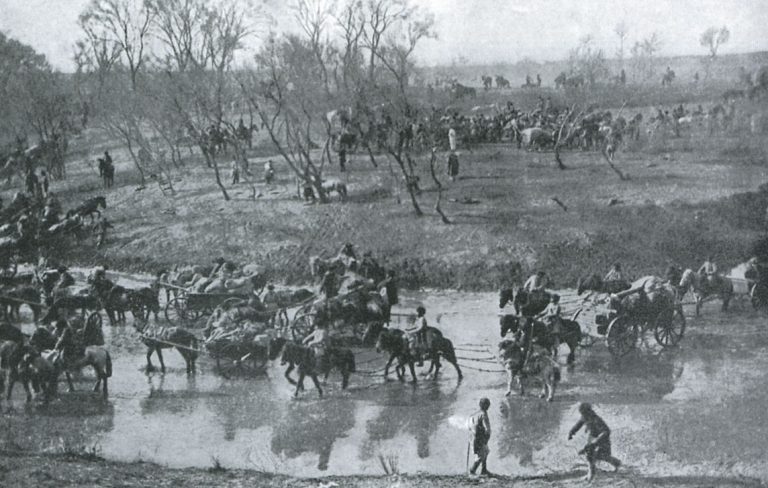
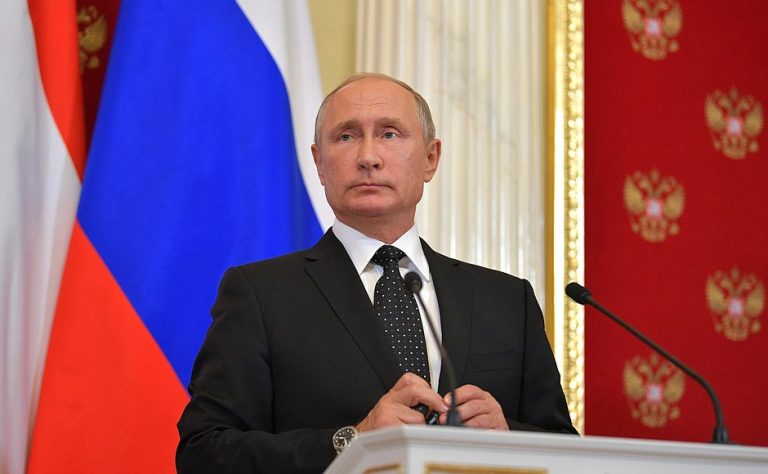
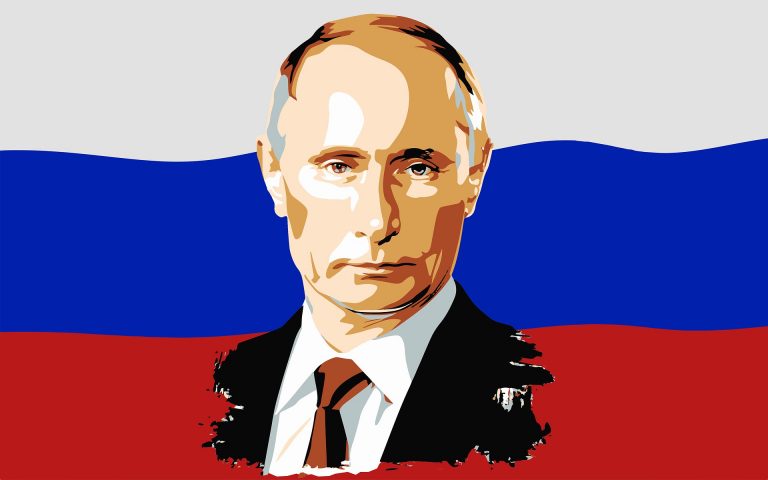
Russia under Putin falls neatly into the Russian historical cycle. When the old state is in decline, chaos ensues, and a new, powerful leader emerges to rebuild Russia. There are plenty of comparisons from Russian history that echo Putin’s rise and success – but there are crucial differences, too, which help explain his inability to transform Russia into a truly global power.

In a far-reaching development for India’s strategic interests, on July 31 Russia signed an agreement with Pakistan for naval cooperation. The agreement comes on the heels of an accord between Moscow and Islamabad in April of this year to increase cooperation in the training of armed forces personnel in the naval field and the conduct of a wide range of joint military exercises.
Chinese Eurasianism, which – if the Belt and Road Initiative (BRI) is successful – will give Beijing new foreign policy tools to use against Washington, could prove more threatening to the US in the long run than the USSR was during the Cold War.
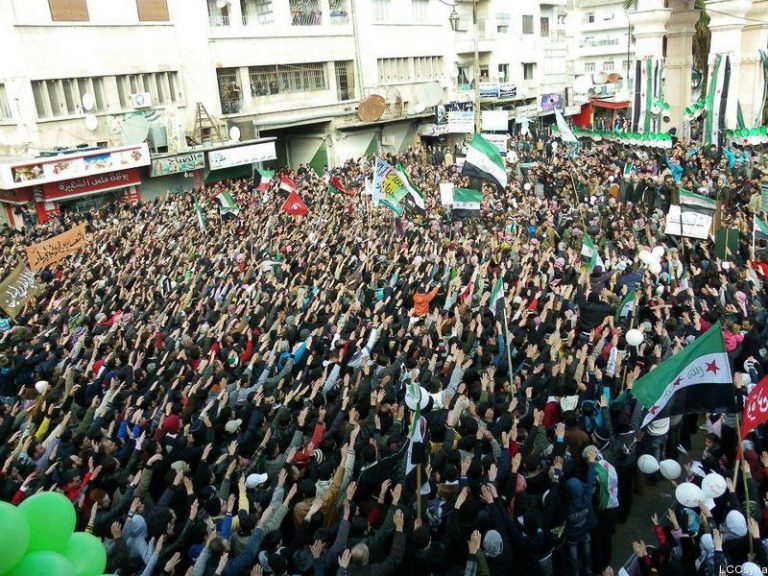
The Assad regime's recapture of the Syrian Golan Heights is advantageous to Israel, in light of the Israeli-Russian understanding to predicate the situation there on the May 1974 disengagement. Even if the new arrangement does not lead to a forty-year-long de facto peace like the one that prevailed prior to the eruption of the Syrian civil war, Assad will need to focus on rebuilding his regime, reconstituting Syria, and ensuring the continuation of Alawite rule. In these circumstances, not only does military confrontation with Israel not entail any conceivable gains but it would likely wreck the regime’s fragile recovery.
Donald Trump and Vladimir Putin held a historic summit in Helsinki, Finland on July 15 that was assessed by many as a defeat for US prestige and interests. The summit should not, however, be construed as a Russian victory. US foreign policy moves after the summit indicate that there is little chance for meaningful improvement in bilateral relations. The complexity of issues surrounding Syria, Ukraine, Georgia, and Iran will continue to weigh heavily on US-Russian diplomatic efforts.

Accessibility Toolbar