Russia

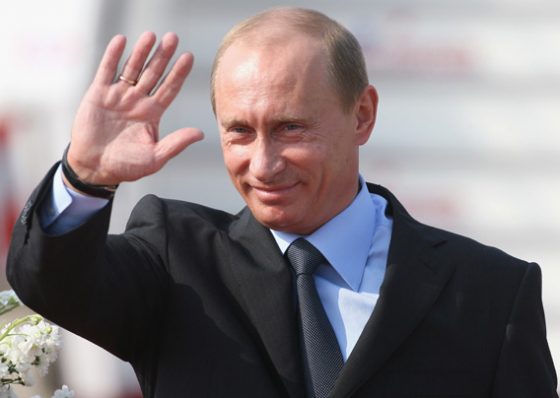
On March 18, Russia elected Vladimir Putin for a fourth presidential term, making his rule the longest since Joseph Stalin’s. But this next term will be a new experience for both Putin and the Russian people. In terms of foreign policy, Moscow face increased Western challenges. Internally, Putin will have to decide whether to prolong his rule in 2024 or pick a successor – a process with significant foreign policy reverberations that will involve reshuffles and elite infighting inside the Kremlin.
The recent poisoning on British soil of Sergei Skripal, a former Russian military intelligence officer who acted as a double agent for the UK's intelligence services, and his daughter Yulia with a very rare nerve agent of the Novichok type appears almost certainly to have been conducted by the Russians. While the attack is part of a long chain of similar incidents, it was an overwhelming event diplomatically, politically, practically, and in terms of intelligence. Two similar incidents in London exhibited common elements linking them to the Skripal attack. Together, they shed light on the apparatus that might be responsible.
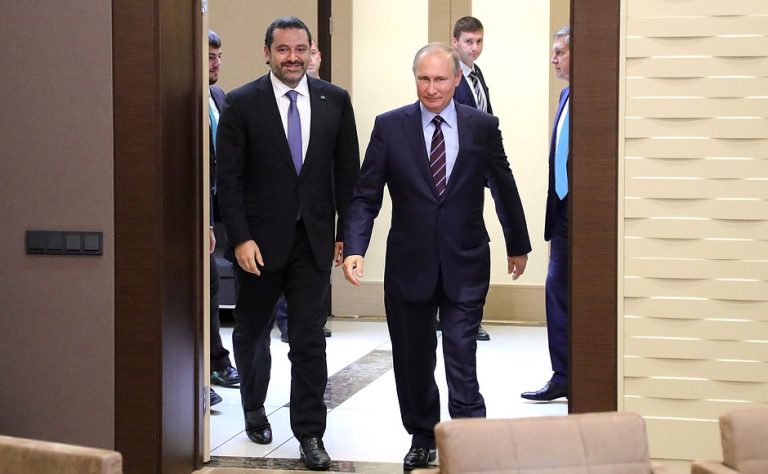
Though Russia has been gradually increasing its economic and military influence in Lebanon, it is unlikely that Moscow is prepared to irreparably compromise its relations with Israel. Russia faces competition from other actors in Syria, and good relations with Israel can serve its interests there.
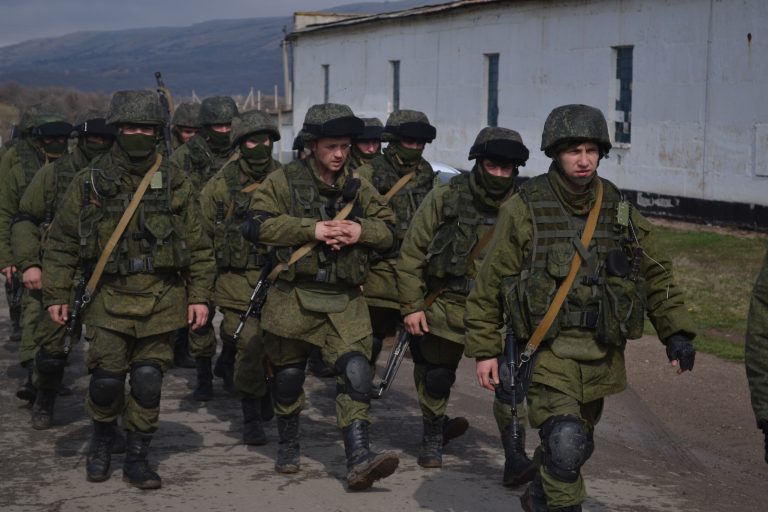
The Russian annexation of Crimea in 2014, the downing of a civilian aircraft, and the Russian military aggression in Ukraine were serious violations of the international order that required a powerful response from Western powers. But what is the right response to such provocations – and who might be affected other than the intended target?
The Eastern Mediterranean has entered a new period of high volatility, with Israel and Greece in the eye of the storm. Both countries are facing an upgraded strategic challenge from Turkey and Iran. This is not simply an interstate problem but a broader crisis that will influence the future geostrategic physiognomy of the Eastern Med.
When the Eurasian Economic Union (aka the Eurasian Union) was unveiled in early 2015, it had one major goal: to strengthen Moscow’s position across the former Soviet space. By promising economic benefits and military protection, the Kremlin managed to bring Armenia, Belarus, Kazakhstan, and Kyrgyzstan into the Union and solidify its influence over them. However, the Eurasian Union has stalled since then. It lags considerably far behind other major unions across the Eurasian continent in terms of overall economic and political influence, and will continue to face major geopolitical competition from the European Union (EU).
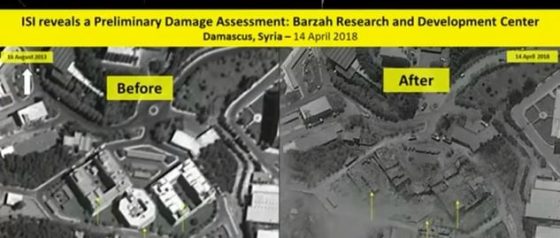
Because of Russian antagonism, 2018 might see a termination of investigations by an internationally authorized apparatus into chemical weapons (CW) attacks in Syria. There is a tight, if indirect, connection between that termination and the existence of a residual and possibly renewed stockpile of CW in the hands of the Syrian army, which is backed by Russia (and Iran).

Accessibility Toolbar