Russia

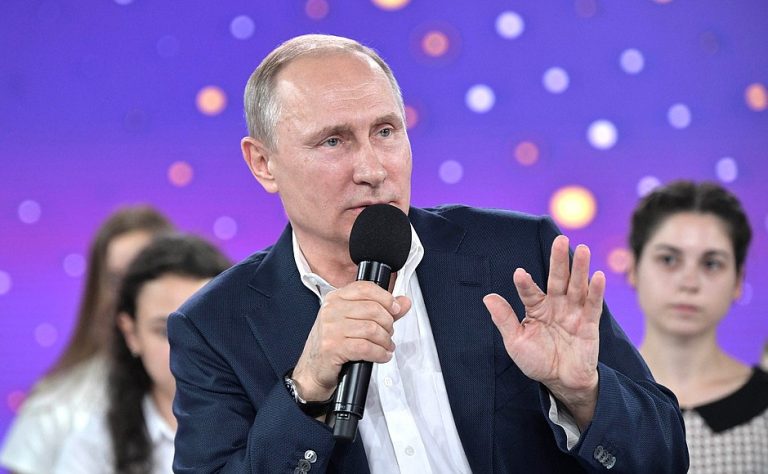
Russia will hold its next presidential elections in March 2018, and current president Vladimir Putin has yet to announce his intention to run. Russians are accustomed to Putin’s late announcements of his candidacy (as occurred in 2004 and 2012), and he is widely expected to run. He will almost certainly win, but will have to find ways to handle fundamentally different domestic circumstances both during the election and after it.
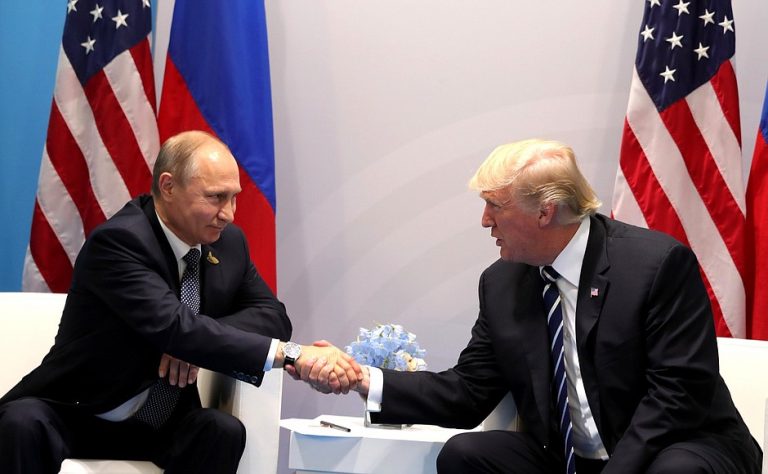
Russian-US relations have reached their lowest point since the end of the Cold War.  President Donald Trump has signed a new package of anti-Russian sanctions into law and increased the US military presence across former Soviet territory and eastern Europe. He also sent VP Mike Pence on a tour of Estonia, Montenegro, and Georgia – a trip viewed by Moscow as western encroachment on an area it considers a buffer zone. This standoff does not mean the two superpowers will not be able to find common ground in other areas, but the potential for cooperation is limited. Former Soviet territory will likely remain a major confrontation line between the US and Russia.
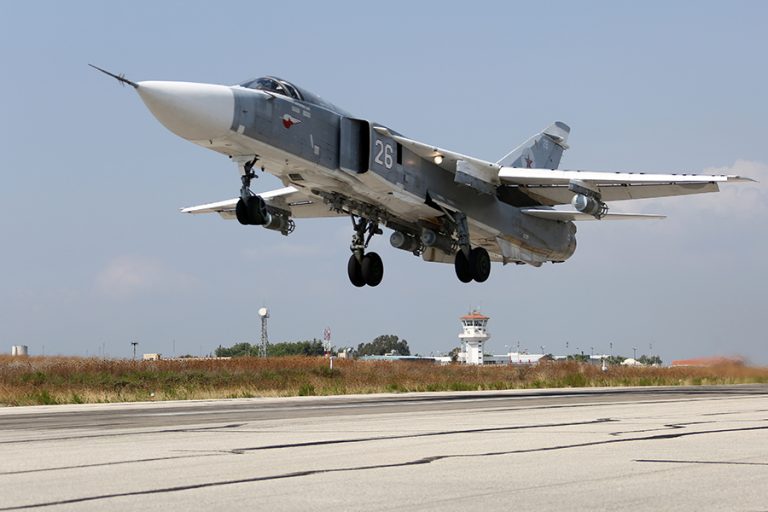
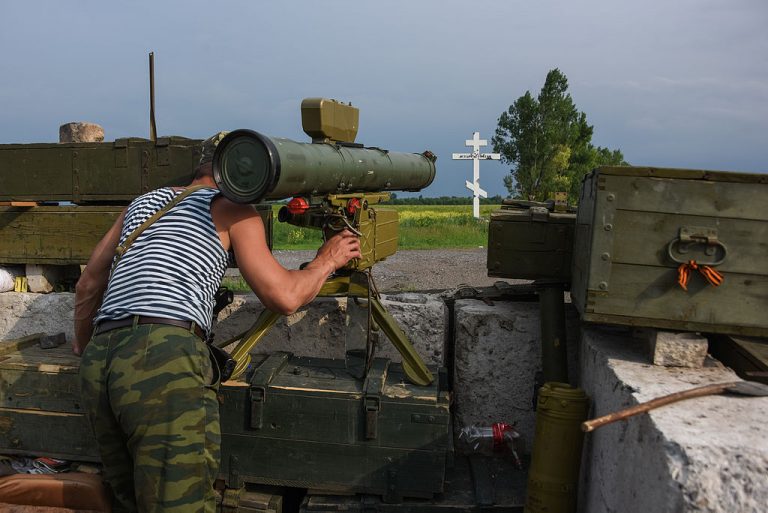
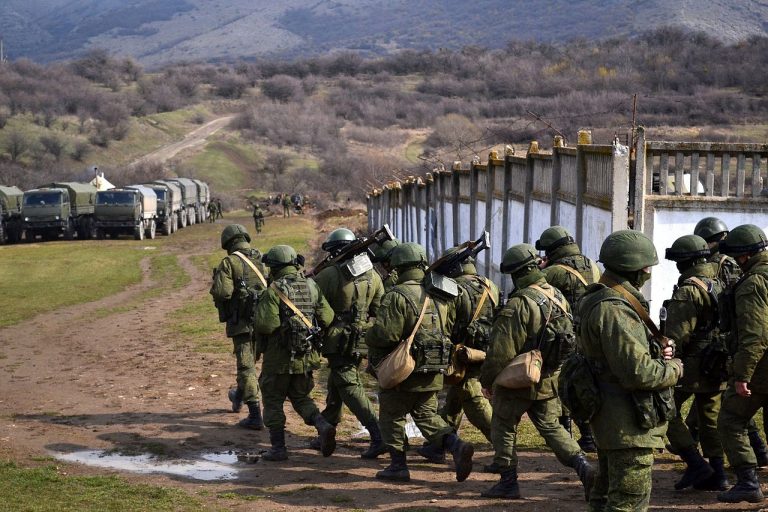
Western observers are often astonished by Russian military decision-making, which defies the principle of waiting for full knowledge of the enemy before acting. The Russian approach holds that it is in engagement of the enemy that knowledge will emerge that can advance an ultimate strategic design.
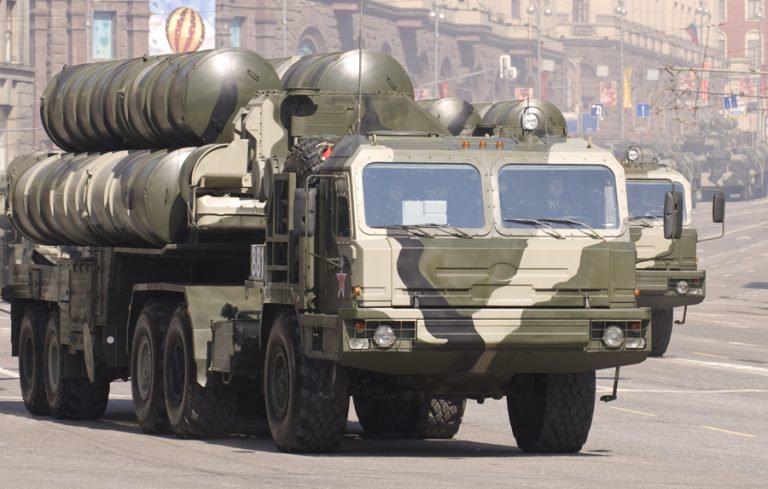
Turkey, a NATO ally, may be on the brink of purchasing an air defense system from Russia. If the Turks place that weaponry on their soil, they will no longer have access to the NATO satellite signals critical for that very defense system to be useful. And if that is not reason enough to hesitate, Turkish officials might recall that a year and a half ago, Ankara suffered a serious diplomatic crisis with its prospective air defense system supplier. Considering the fragile situation in neighboring Syria, another Turkish-Russian rift is not unlikely. Would a Russian air defense asset protect Turkey against Russian air power?
Recently, Hezbollah-affiliated Lebanese media reported on a first meeting in Aleppo between Russian senior military officials and Hezbollah field commanders, whereby the two sides agreed to continue conferring on a regular basis. The timing of this meeting, prior to the inauguration of US President-elect Donald Trump, appears to have been a calculated move, and it bears important implications for the US and Israel.
The adverse implications of US withdrawal from the Middle East are manifold, including: the acceleration of Tehran’s drive to regional hegemony, the palpable risk of regional nuclear proliferation following the JCPOA, the spread of jihadist Islam, and Russia’s growing penetration of the region. Manifest US weakness is also bound to have ripple effects far beyond the Middle East.
The desire of the international community to end the Syrian civil war is offset by the inability of any individual party to enforce its preferred solution. The conflict, which is likely to continue for some time, has solidified the centrality of Russia and Iran in regional affairs. Israel’s options are limited.

Accessibility Toolbar