Homepage

Israeli-Greek relations were tested during the Israel-Hamas war. While Greece preferred to take a balanced stance at the UN level, it was eager to cement its strategic partnership with the Jewish State in difficult times. Arms deals and energy agreements were on the agenda and bilateral trade volume increased. The Middle East ceasefires can perhaps pave the way for even stronger Greek-Israeli ties. The visit of Foreign Minister George Gerapetritis to Jerusalem in February 2025 confirms the common objective. Israeli-Greek consultations are expected to intensify this year, while the beginning of the second Trump presidency could push the US to play a more active role in the process.
The collapse of the Assad regime in Syria reveals the Middle East as a dynamic ecosystem in which small changes can lead to big surprises. The IDF responded quickly to the collapse with three goals: strengthening defenses in the Golan Heights, destroying Syrian weapons, and projecting power in the regional space. The regional reality is shaped by historical memory and religious and national dreams, and does not operate according to a stable linear model. The countries in the region strive for active involvement beyond their borders, and Israel has no choice but to adopt a more flexible strategic approach of integration into the space rather than settling for internal convergence. The events in Syria proved once again that the “villa-in-the-jungle” approach, meaning isolation from the external environment, does not serve Israeli goals.
Israel, the US, and other international and regional actors are faced with a dilemma. They are unwilling to invest too many resources in countries/regions with poor governance, but need to prevent negative developments like famine and terrorism from arising. One possible approach to this problem is “Semi-Self Governance” (SSG), which allows local forces to take accountability and improve the lives of their civilian populations while allowing for external intervention when problems develop. This principle could align with President Trump’s strategic vision.
Growing competition in the Arctic Circle is putting Greenland's strategic position on the public agenda. The Arctic island, which is under Danish sovereignty, is vital to American interests given the military presence of Russia and China and the nearby shipping lanes. These interests are leading to secret understandings between Denmark and the US.
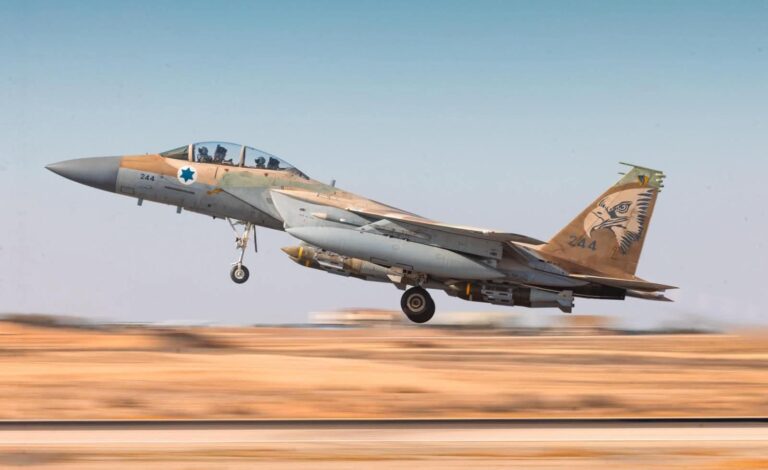
Israel faces a critical strategic decision regarding Iran's nuclear program. The Islamic Republic is accelerating its enrichment capabilities and is systematically approaching the threshold of nuclear breakout. At issue is whether to strike Iran’s nuclear infrastructure immediately, leveraging Iran's degraded air defenses and regional setbacks during the “lame duck” period of the current Biden administration, or wait for a potential alignment with the incoming Trump administration, which could bring enhanced diplomatic and military support. Both options carry significant potential risks and benefits.
The fall of the Assad regime in Syria has revived Turkey’s plans to construct oil and gas pipelines through the country, turning it into a regional “energy corridor” for neighboring states. Some of these plans would offer the Arab Gulf States a more convenient land route for exporting energy to Europe through Turkey, posing a challenge to Israel’s similar aspirations. Israel has other opportunities to export its natural gas to new markets via pipeline, but they pose the risk of undermining Israel’s relationship with Greece and Cyprus. Israel should follow the "pipeline game" in Syria closely to ensure that new economic opportunities in the region don't pass it by.

Accessibility Toolbar