Perspectives Papers

Perspectives Papers provide analysis from BESA Center research associates and other outside experts on the most important issues pertaining to Israel and the Middle East.

View Archive

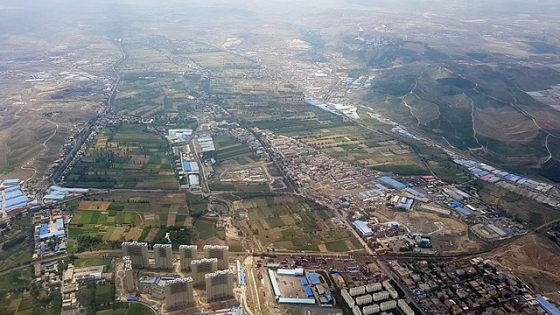
Turkey expects Chinese support for its incursion into Syria against the Kurds, but in return, China expects Turkey to turn a blind eye to its persecution of Turkic Muslims in Xinjiang. Turkey’s refusal to fully recognize Kurdish rights is thus intertwined with China’s brutal crackdown in its troubled northwestern province. Both parties justify their actions as efforts in the fight against terrorism.
Three leading Democratic presidential candidates recently threatened to use US military aid to Israel as leverage to force changes in Israeli relations with the Palestinians. Their statements were hypocritical and ignored both the value of military aid to the US military and defense industries and the realities of the Palestinian-Israeli conflict. The threats should be seen in the wider context of growing antagonism within the Democratic party toward Israel. The next Israeli government will have to address this challenge.     
In light of recent regional events in general and the Turkish invasion of Syria in particular, Israel needs to reconsider the underlying strategic rationale not only of its covert activities in the neighboring countries but also its more overt conduct. Otherwise it could find itself, in case of war with the northern axis (Hezbollah, Iran, and Syria), winning battles but having trouble ending the campaign with a strategic achievement.
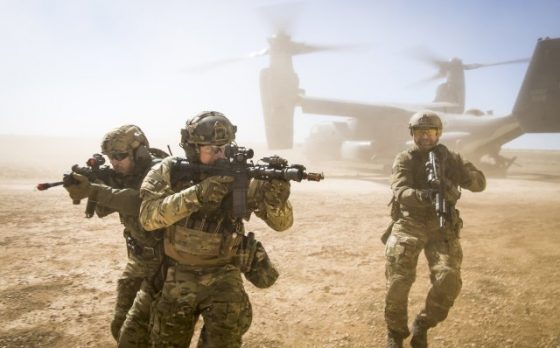
The withdrawal of US forces from the Kurdish areas of northern Syria will help strengthen Iran’s standing in the country, make Russia the leading power in the region, and possibly lead to the resurgence of ISIS terror. All these outcomes will have far-reaching policy implications for the Middle East’s pro-Western actors and for the war on jihadist terror.
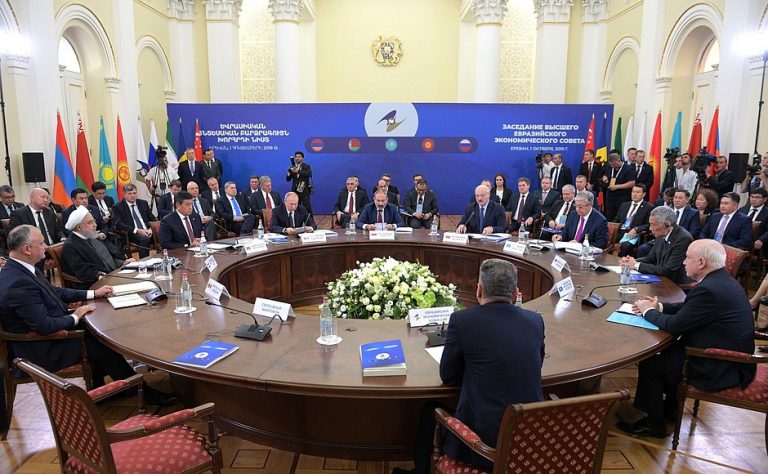
It has become fashionable to link Russian foreign policy moves of the past 20 years solely to President Vladimir Putin and his close associates. But what is viewed as innovative is in fact an intensification of much older policies that long preceded Putin’s rise to power.  
In Syria, President Trump, like Obama before him, seems oblivious to the reality that when the US withdraws, its enemies advance and fill the vacuum. Ousted NSA John Bolton has said that America is constraining its range of action through foolhardy entanglements with international institutions and naive bilateral agreements that promise too much to America’s enemies in exchange for too little. He maintains, correctly, that Americans support leaders who are not appeasers but defenders of American values, vital national interests, and human rights.
The Israeli notion of mamlachtiut does not translate well into English. Coming from the word mamlacha, or kingdom, the word suggests the quality of acting in a sovereign-like fashion. David Ben-Gurion used the term when he spoke of the Jews’ usage of military power while exercising caution with their political power. In Israeli history books, the term is conjured every time the nation faces a major juncture that requires individuals and factions to transcend partisan loyalties. Judging from their behavior in the recent elections, Benjamin Netanyahu and Benny Gantz both appear to be fuzzy on the meaning of the word.
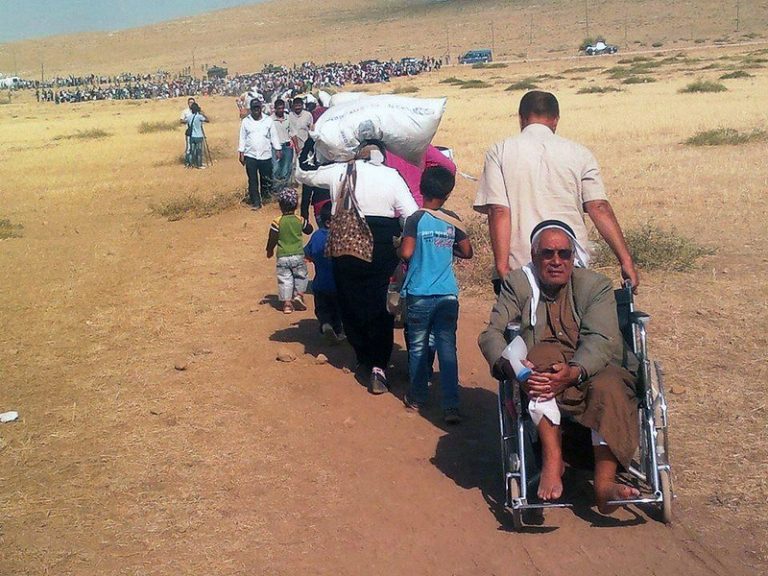
The challenging geography of Greece makes it hard for the country to take full advantage of its natural resources and expand its energy grid. Though it has doubled its share of renewables, it needs to redouble those efforts to reach the EU’s ambitious goal of covering a third of its energy needs from renewable sources by 2030. The Greek islands that have been at the forefront of the migration and refugee crises would particularly benefit from a targeted policy to reach that goal, as the transition would increase their energy security, reduce their energy costs, and diversify their economies. Greece has the potential to be a model of sustainability that would enhance the stability of the entire Eastern Med.
The American withdrawal from Syria has produced chaotic results – but as with many aspects of President Trump’s presidency, it offers an opportunity to view realities with a new clarity. The nature of Turkey under Erdoğan, European weakness, and the unwillingness of America to support indecisive military missions have been revealed. These realities demand new approaches to European defense and to Middle Eastern engagement and disengagement.

Accessibility Toolbar