
Perspectives Papers

Perspectives Papers provide analysis from BESA Center research associates and other outside experts on the most important issues pertaining to Israel and the Middle East.

View Archive

A quadcopter from the Gaza Strip landed in southern Israel earlier this month, and the IDF released a short message saying a unit had arrived to take it away for checks. This seemingly mundane incident is, in fact, indicative of a growing trend: the use of drones by Israel’s enemies. 
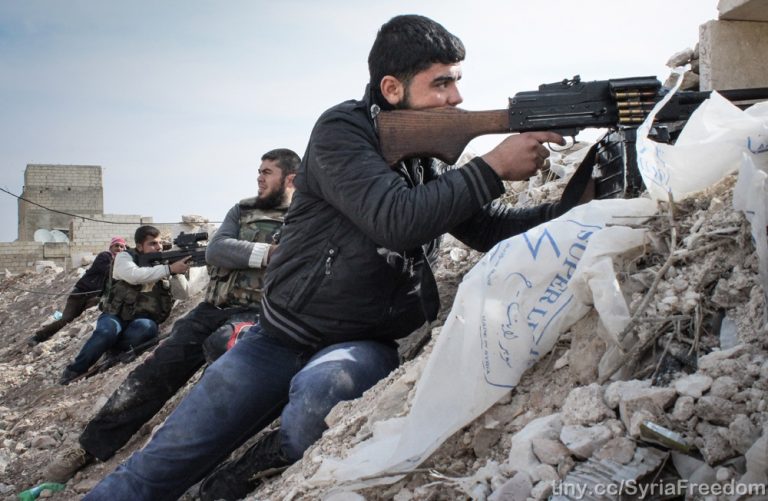
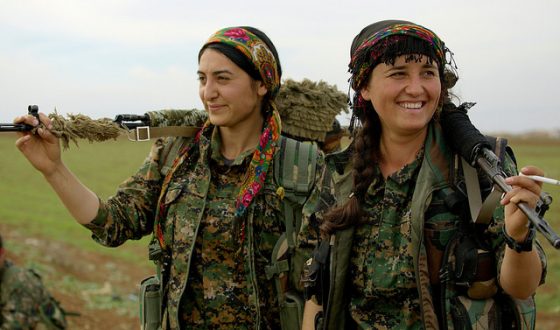
In Syria, where chaos reigns and there are no moderates among the Sunni Arab opposition, the "enemy of my enemy" principle may apply – particularly in view of Assad's increasing dominance, the growing Iranian influence on Israel's borders, and Turkey's close ties with Hamas and warming relations with Tehran. It is therefore in Israel’s interest to act quickly to support the nascent Kurdish political region in Syria.
The conflict in East Ukraine has reached a frozen phase in which neither side is making many gains. Despite agreements, the conflict has not seen any meaningful breakthrough for more than three years. Geopolitical imperatives dictate that progress will be contingent upon either Russia or Ukraine (i.e., the West) conceding their interests. The Ukrainian problem is rooted in the geography of the country as well as in the consistent failure of Russia to leverage its involvement in Syria and other theaters for western concessions.
About the same proportion of Turks view the US (72%) and ISIS (73%) as a threat to their country. That’s weird. Erdoğan’s generation of Islamists were anti-American largely because of the Arab-Israeli dispute – although they feared Soviet communism more than American imperialism. Future generations of Turkish Islamists will hate America even more because they will have gone through long years of anti-American indoctrination by a beloved leader and his powerful propaganda machine.
On September 3, the heads of the BRICS states gathered for a summit. At the event, Chinese President Xi Jinping once again presented his way of thinking about his role in the global arena, a role he believes should focus on economic and trade issues. His approach downplays the issues of North Korea’s nuclear pursuit and the persistent global problem of terrorism, raising questions about his ability – or indeed hi desire – to take on a world leadership position. 
The 43-page Xiamen Declaration issued at the end of the ninth BRICS summit in early September marks an interesting shift concerning Israel. In paragraph 42, it makes the usual references to “relevant” UN resolutions, the Madrid Principles, the Arab Peace Initiative of 2002, and “previous agreements” and calls for “a just, lasting and comprehensive solution” to the Israeli-Palestinian conflict. The Declaration calls for the creation of “an independent, viable, territorially contiguous Palestinian State living side by side in peace and security with Israel” – but contains no reference whatsoever to East Jerusalem.
“Occupation” has become an all-purpose Palestinian tool. On the one hand, the Palestinians claim the Israeli “occupation” makes serious negotiations with Israel impossible. On the other, they claim the “occupation” makes the development of local institutions and civil society impossible. Western and Israeli diplomats have largely avoided criticism of this strategy, possibly because it has become a central tenet of Palestinian identity.

Accessibility Toolbar