Perspectives Papers

Perspectives Papers provide analysis from BESA Center research associates and other outside experts on the most important issues pertaining to Israel and the Middle East.

View Archive

The harsh measures taken by Turkish President Recep Tayyip Erdoğan since the failed coup attempt last year have led to a deepening crisis with a host of Western states, first and foremost with Germany. Since the coup attempt, relations between Ankara and Berlin have been at an unprecedented low. However, in light of their history of close relations, the volume of stable economic trade over the years, and Turkey's ability to stabilize the waves of immigration to Europe, the countries may yet find a channel of communication in order to contain the crisis.
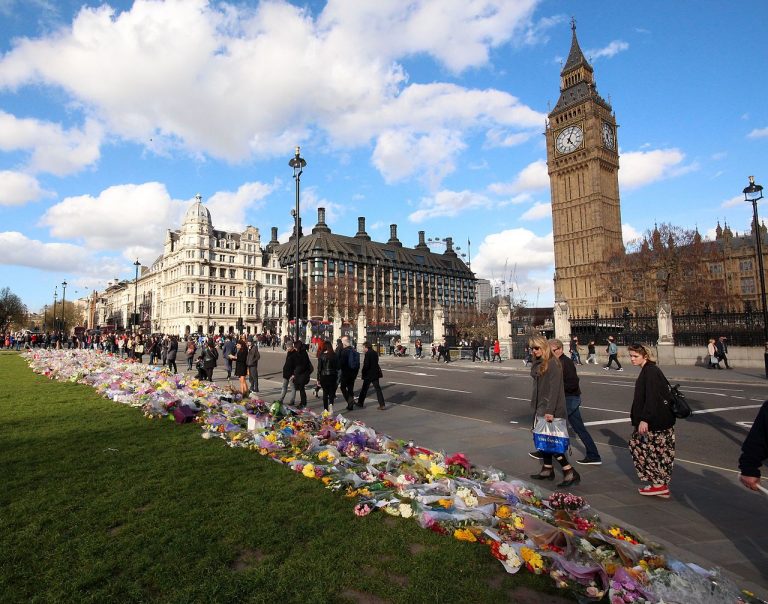
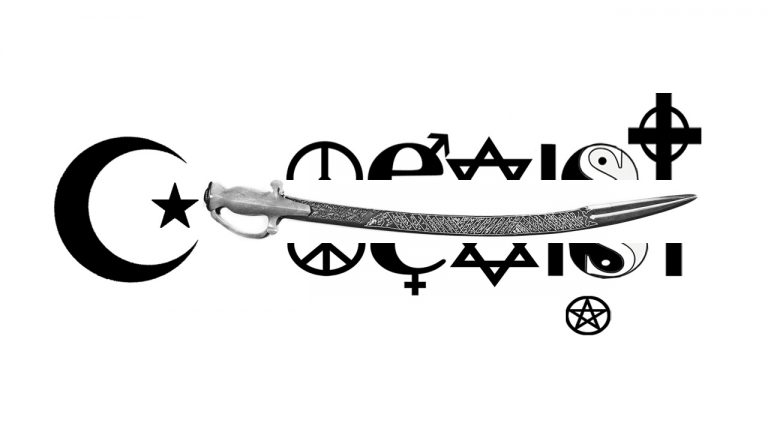
Over a matter of days recently, ISIS adherents committed major attacks in Barcelona as well as stabbings in Siberia and Finland, and several other incidents remain murky. Analysts set about explaining how little Europeans know about fighting terrorism, with some even seeing these events as the beginning of the end of Europe. While that is blowing things out of proportion, it is true that ISIS will continue to wreak havoc in Europe even after the group is formally defeated. If Europe is to cope with the threat effectively, it will have to change its cultural approach to the problem of terrorism.
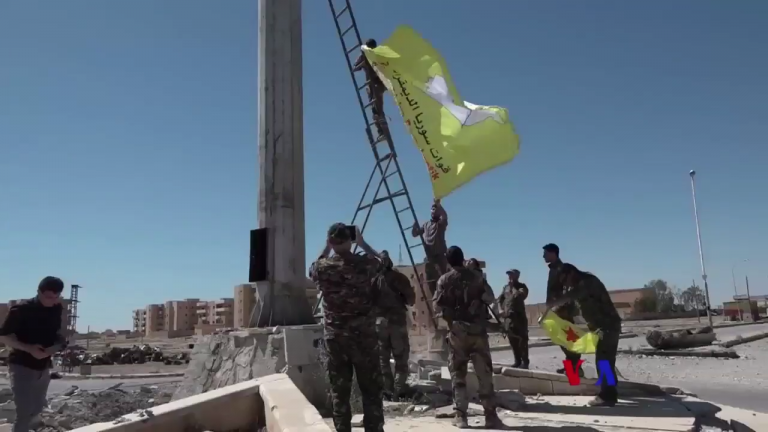
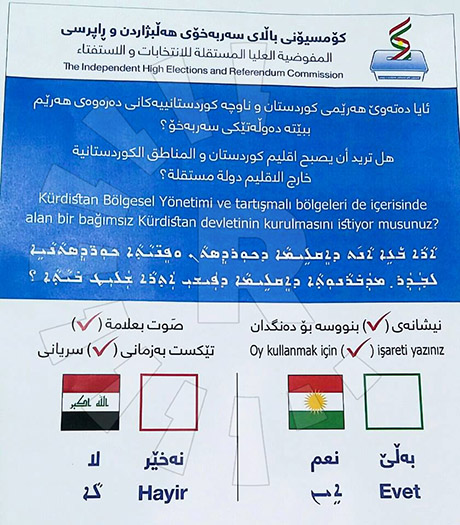
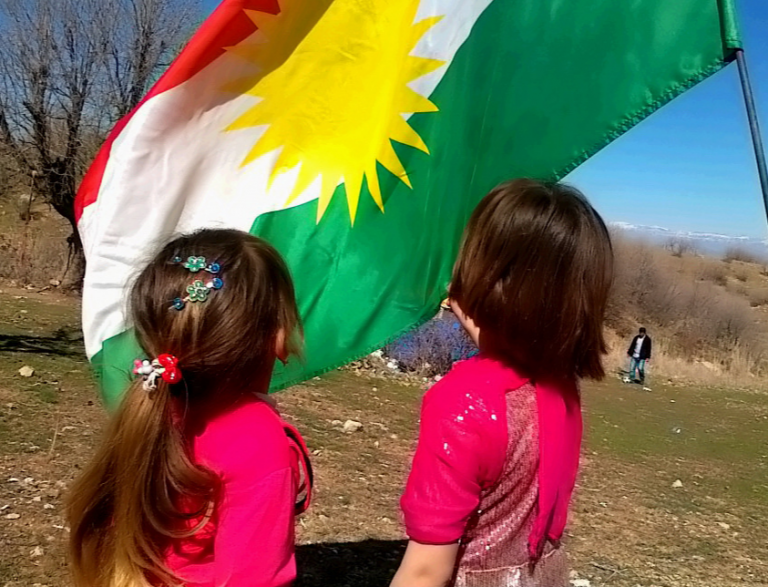
The Iraqi Kurdistan region will be holding a referendum on independence on September 25, 2017. While Beijing fears that Kurdish independence could fuel separatist movements within China, the emergence of a Kurdish state could turn out to be a net positive for the Asian giant. China maintains cordial diplomatic and commercial relations with the Kurds, but opposes a unilateral Kurdish declaration of independence. It will support an independent Kurdish state only if it obtains the consent of the regional states.
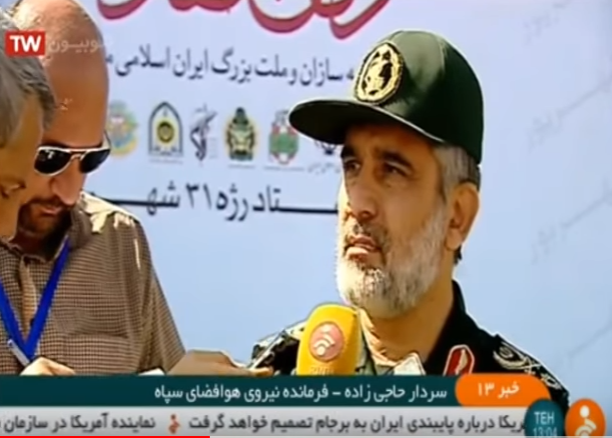
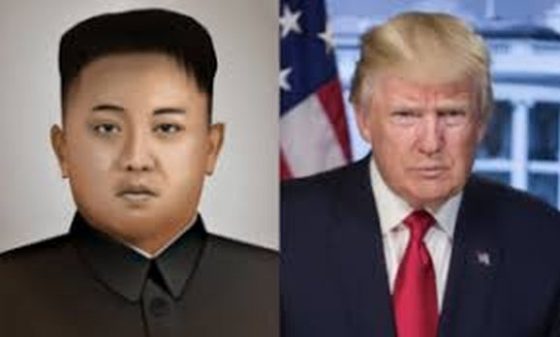
Despite President Donald Trump’s disapproval of the JCPOA agreement with Iran, which he promised during his election campaign to “rip up,” he has been persuaded by his advisers to recertify it. He has also, however, gotten the UN Security Council to impose sanctions on Iran as a penalty for developing nuclear missiles, supporting terror, and undermining international order. The Iranian leadership responded with a threat to quit the JCPOA and renew uranium enrichment at a high level. Though the IAEA has not yet determined that Iran has violated the agreement, Western experts view Iran’s behavior as problematic. They fear Iran could break the rules and renew its nuclear weapons program, and that it will be encouraged to do so by North Korea’s provocative stance toward the US.
Donald Trump’s decision to abandon the Trans-Pacific Partnership (TPP) marks a fundamental change from Barack Obama’s priorities. It could also create a policy vacuum in Asia, as the US is no longer the driving force behind regional integration. China, which sees new opportunities in the American withdrawal, is attempting to foster its own integration schemes – but it remains unclear whether it will be able to replace the US as the world’s globalization leader.
The consequences of the war in Syria; the military opportunism displayed across the region by Iran; and the ploys by China and Russia to chip away at American global standing lost through President Obama’s “strategic patience” bode major foundational shifts in the power equations of the Middle East. The Chinese and Russians are openly pursuing the objective of establishing a multipolar international system. Vigilance and careful preparation are needed to face the coming upheaval.
On July 24, 2017, China warned India “not to push its luck” – the latest salvo in a long-running border conflict. India wants the Chinese to stop construction of a road to the “chicken’s neck”: the Doklam plateau in the Himalayan mountain ridge between China and the Kingdom of Bhutan, India's close ally. This narrow strip of land connects China to northeastern India. The Chinese road, if completed, could ultimately threaten India and would represent a major strategic advantage for the Chinese.

Accessibility Toolbar