Perspectives Papers

Perspectives Papers provide analysis from BESA Center research associates and other outside experts on the most important issues pertaining to Israel and the Middle East.

View Archive

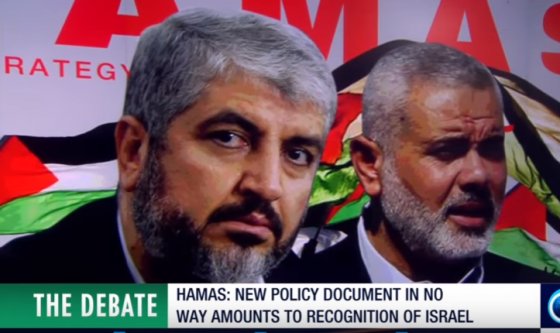
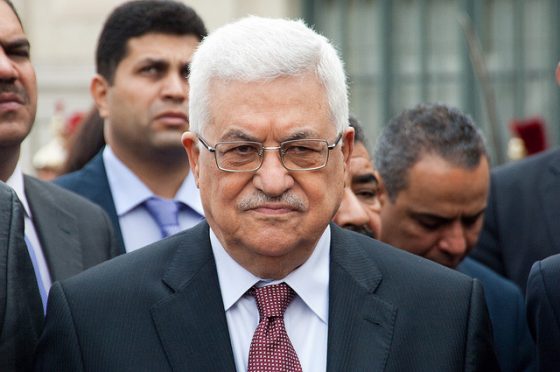
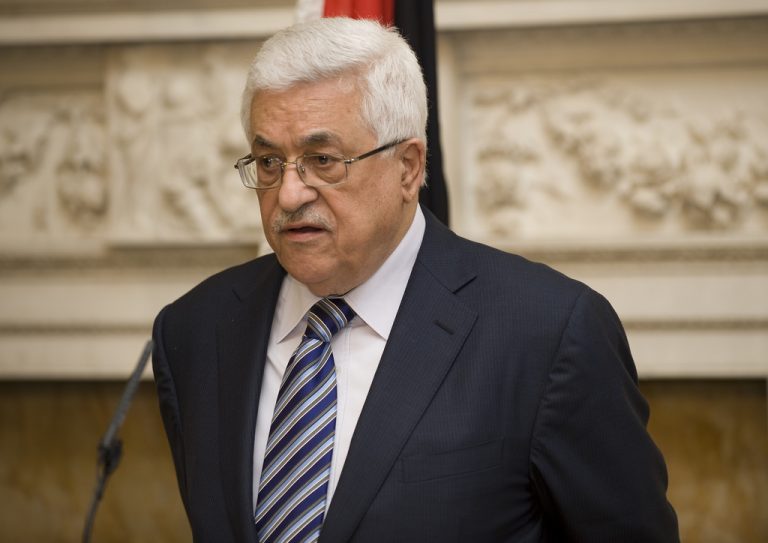
It is a historical irony that such a short time after Holocaust Remembrance Day, an unreconstructed Holocaust denier is being welcomed at the White House to promote a peace agreement with the very national movement that he has accused of culpability for the genocide.
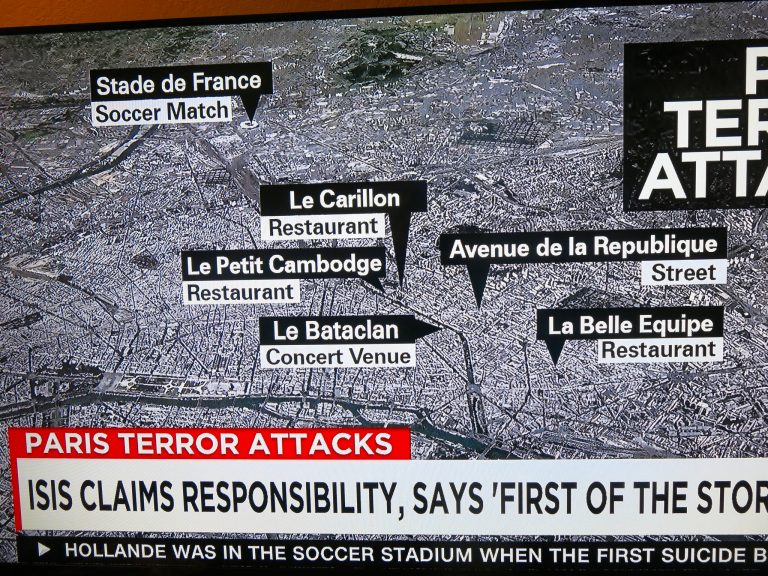
The appalling terrorist assaults perpetrated by ISIS in Europe have led to significant changes in the European state of mind. By exposing the vulnerability of EU state borders, they have prompted rudimentary initiatives to secure those borders and increase counter-terror cooperation among EU member states, while also boosting the popularity of far-right parties. The attacks have given rise to a discreet cooperation between EU member states and Israel in dealing with the terrorist threat, but have not prompted the EU to change its critical position regarding Israel’s defensive measures against Palestinian terror. The moral double standard of the EU on this issue might undermine its own fight against Islamist terrorism.
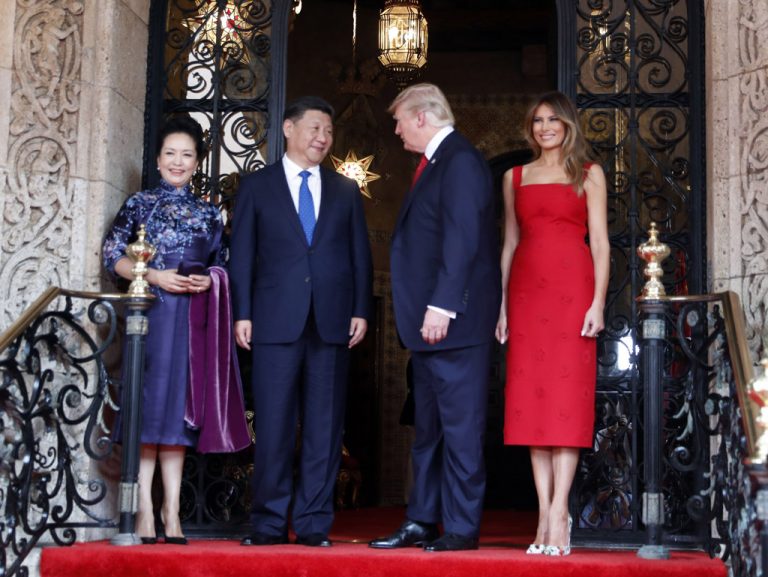
The preparatory visit to Washington now underway by a Palestinian delegation, headed by Saeb Erekat, underscores the importance attached to the forthcoming visit early next month by Mahmoud Abbas. The indications that Abbas is now willing to contemplate a meeting with Prime Minister Netanyahu under Trump's auspices may seem surprising, given the latter's firm stand on issues important to Israel. But it should be considered in the context of the broader consolidation of the pro-western forces in the region, who felt on unstable ground during the Obama years.
The sarin attacks in Syria of August 2013 and April 2017 resemble one another closely. They reflect a strategic mode that might be repeated yet again by Assad, as long as he remains fully backed by Russia and Iran. At the same time, the geopolitical shift suggested by the recent US military response in Syria marks a desirable turn with consequential implications regarding the ongoing relationships among the US, Syria, Russia, and Iran.
Winds of war are blowing in the international arena, and the rhetoric of threats is intensifying. Notwithstanding the claims of critics and opponents of Trump, he has begun to formulate a strategy while responding to threats and crises in Syria and North Korea. The sides are now treading at the edge of the abyss. This approach could achieve effective deterrent results, but also entails considerable risks. Trump has decided to fight the forces of violence and terror in the world, joining forces with allies and using a variety of military and diplomatic measures. If his strategy succeeds, it could stabilize the world order and improve Israel’s strategic position.
The election of Donald Trump as US president has generated superficial comparisons with Israeli Prime Minister Benjamin Netanyahu. But one key factor in both leaders’ success is a fragmented and polarized opposition that is unable to project alternative leaders or policies. The tone and manner of opposition politics are made more extreme by their own sense of entitlement, and are pushed further left by bullying from the elected leadership. Without civic education and new, more centrist leaders, American politics will continue to resemble that of Israel, to the detriment of effective democracy.
We need a new word, “Islamophobia-phobia” (IPP), or excessive fear of Islamophobia. The term “Islamophobia” was coined to refer to hostility to, or excessive fear of, Islam. Avoiding prejudice against Muslims is a noble cause, but carried too far, the fear of Islamophobia prevents a realistic response to Islamism’s attacks on the West.
The legitimacy of the recent Turkish referendum is under dispute, further polarizing an already divided Turkish society. With no effective mechanisms for conflict resolution, and headed by an authoritarian Erdoğan, Turkey is heading towards a socio-political crisis. This might include a deteriorating economy, a flight of elites, and possibly even violence. Turkish nationalism remains very strong, however, and can be enlisted to divert attention from Turkey's domestic problems. Erdoğan might decide to use his increased power to pursue an adventurist foreign policy rooted in his Islamist and neo-Ottoman impulses.
The North Korean nuclear and missile crisis is posing a challenge to the new US administration, especially in the wake of the recent American missile strike in Syria. President Trump will need to consider not only the current North Korean crisis and the immediate military or diplomatic options available for confronting it, but also his long-term goals in the region. Diplomatic, economic, and military options will all have consequences.

Accessibility Toolbar