Homepage

The PSCRP reports in February 2025, have covered the recent political developments in Central Asia, South Caucasus, and Russia. The PSCR program at the BESA Center is further continuing its mission of analyzing the most important sociopolitical developments in the post-Soviet region.
- Col. (res.) Shay Shabtai
- Paper No. 2335
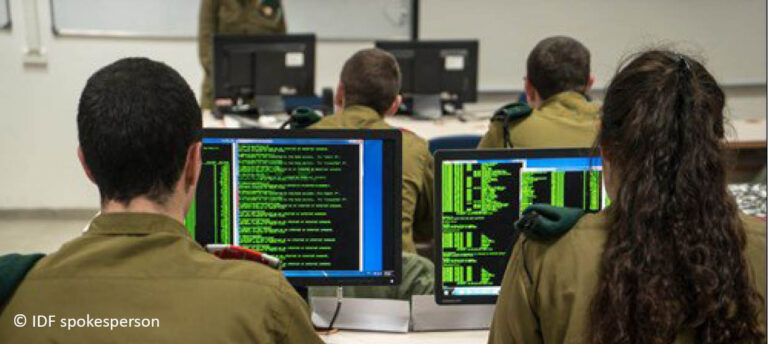
The IDF’s current mechanism for determining and providing intelligence assessments rigidifies the thinking of intelligence analysts, and increases the risk that they will not recognize changes in the behavioral patterns of the adversary that affect the predictive ability and relevance of the forecast. Providing assessments should be the beginning of the process, not the end. A structured, open, and ongoing discussion of an assessment can make both the process and the product more dynamic in the face of changing conditions.
- Vladimir (Ze’ev) Khanin
- Paper No. 2334
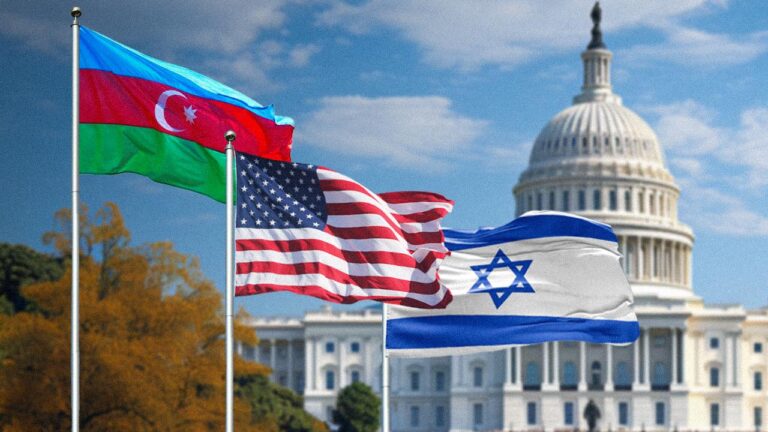
Azerbaijan, a Shia Muslim-majority country, has the longest-standing and most comprehensive partnership with Israel. Azerbaijan is the only strategic partner in the Muslim world of the US’s main ally in the Middle East. It shares borders with both Iran and Russia, and may thus be considered one of the pillars of Israel’s regional strategic security architecture. Against the backdrop of the Trump administration’s efforts to reshape the global order, Azerbaijan’s significance—for both American and Israeli strategic interests—has grown even further. This is driven by key trends in Washington’s new foreign policy approach, within which Azerbaijan’s advantages and capabilities can be effectively leveraged.
- Dr. Nir Levitan
- Paper No. 2322
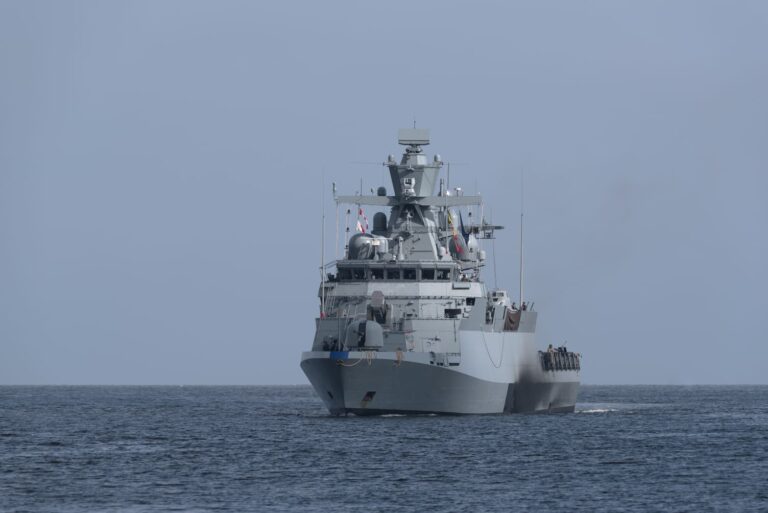
The German Navy is facing new challenges in the Middle East ranging from arms smuggling to air defense. These challenges are developing in the context of increasing escalation in Europe, particularly in the Baltic Sea and in Northern Europe.
- Col (Res.) Dr. Raphael G. Bouchnik-Chen
- Paper No. 2332
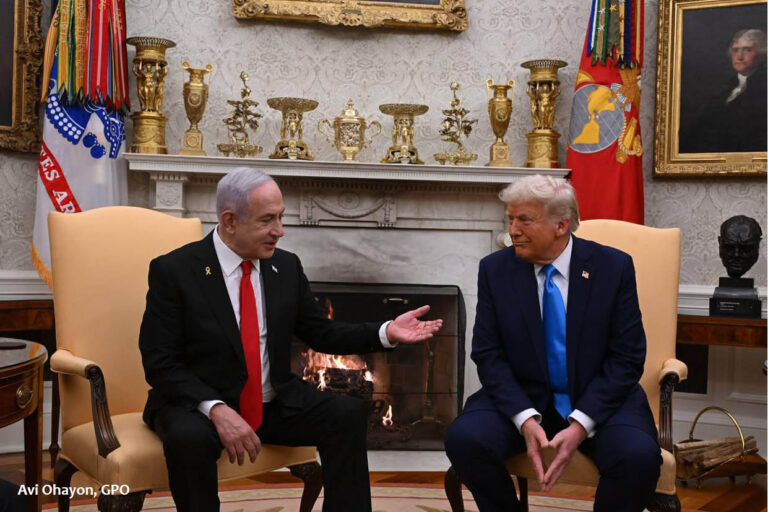
President Donald Trump's controversial initiative to relocate the Palestinian population from the Gaza Strip, primarily to Egypt and Jordan, is causing a stir in the Arab world. While the strong public resistance to the idea expressed by Egyptian President Abdel Fattah al-Sisi and Jordanian King Abdullah seems to negate the possibility that the president's initiative can be implemented, President Trump insists that his plan is achievable and that Egypt and Jordan will eventually cooperate. His resettlement idea, viewed in today’s political environment as anathema, has a series of historical precedents.
- Brig. Gen. (res.) Eran Ortal
- Paper No. 2231
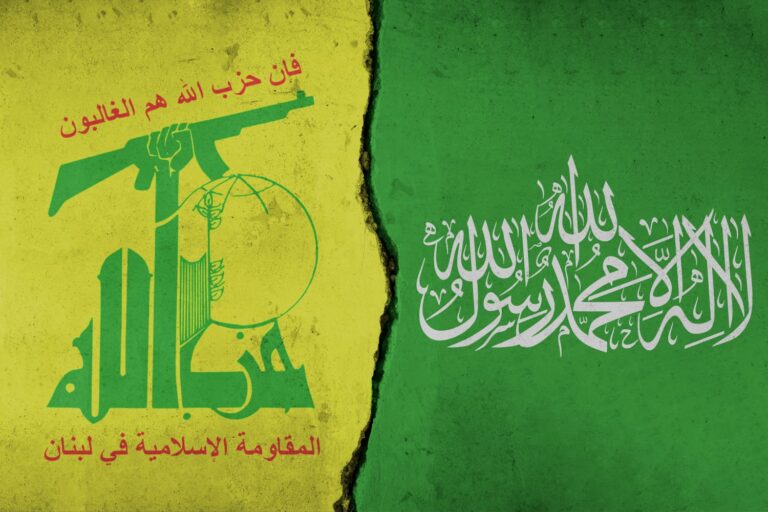
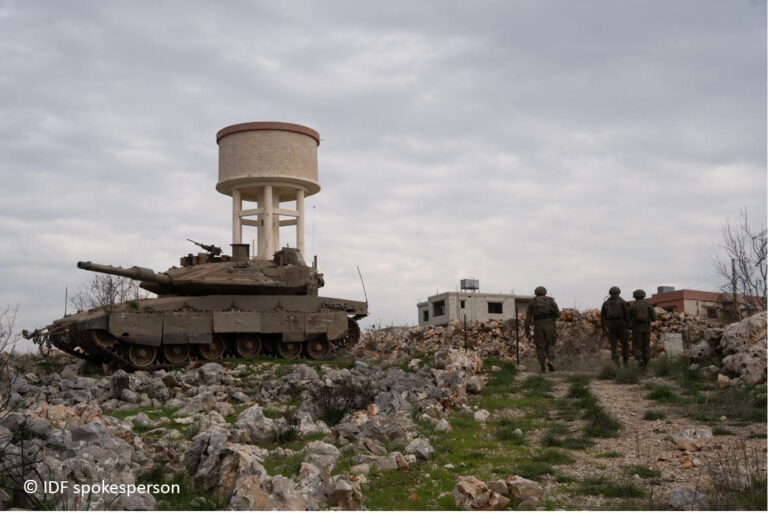
Israel’s original defense strategy strove to maximize wartime operational decisiveness as compensation for inferior resilience. In recent decades, anti-terror tactics have taken over our strategic thinking, pushing this principle aside. The current war is a crossroads. The October 7 attack can be seen as a localized failure, and the strategy of focusing on Hezbollah and Hamas can be continued. This would mean establishing buffer zones, which would lead to protracted guerrilla warfare and further weaken Israel. But there is another way to perceive the Iron Swords War: as the first campaign in a historic war against the Shiite axis. According to this view, this war is a defensive phase. As such, it has served its purpose. Its achievements are to be exploited for a major regrouping and the building of a renewed operational-level decisive capability to prepare us for the next phase of the broader war.

- Col. (res.) Shay Shabtai
- Paper No. 2230
Israel began the Iron Swords War on October 7, 2023, on a “Yom Kippur War” dynamic: the devastating assault on Israel conducted that morning by Hamas was a strategic and operational surprise that collapsed the defense of the Gaza envelope and with it, the foundations of Israel's national security. The war ended on January 17, 2025, on a “Six-Day War” dynamic: a fundamental positive change had occurred on all of Israel's main combat fronts. How did this happen? Israel’s success was the result of intelligent decision-making, military and national strength, and luck. Israel must further improve its decision-making process and enhance its military and national strengths while reducing its reliance on luck and the failures of its opponents, who also learned lessons from this war.
- Dr. George N. Tzogopoulos
- Paper No. 2329
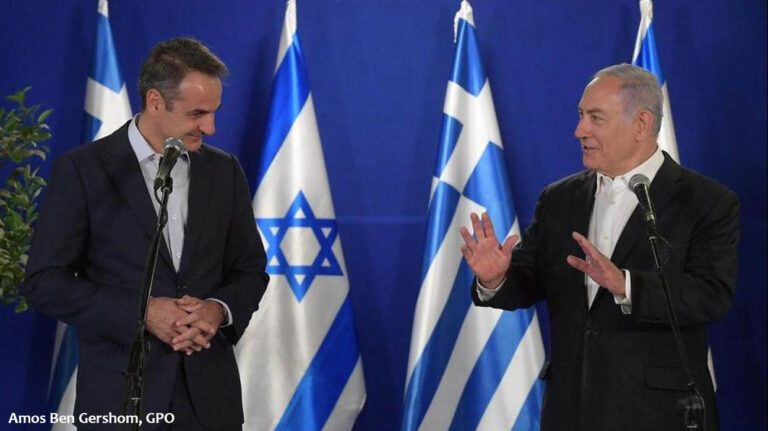
Israeli-Greek relations were tested during the Israel-Hamas war. While Greece preferred to take a balanced stance at the UN level, it was eager to cement its strategic partnership with the Jewish State in difficult times. Arms deals and energy agreements were on the agenda and bilateral trade volume increased. The Middle East ceasefires can perhaps pave the way for even stronger Greek-Israeli ties. The visit of Foreign Minister George Gerapetritis to Jerusalem in February 2025 confirms the common objective. Israeli-Greek consultations are expected to intensify this year, while the beginning of the second Trump presidency could push the US to play a more active role in the process.
- Maj. Gen. (res.) Gershon Hacohen
- Paper No. 2327
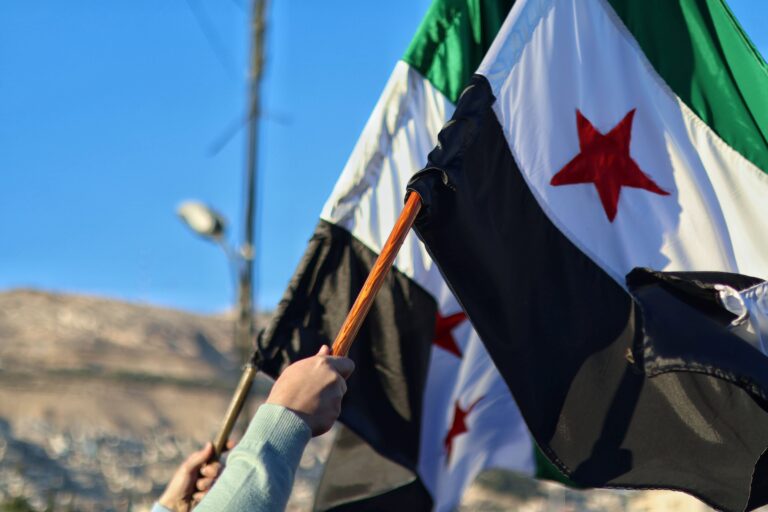
The collapse of the Assad regime in Syria reveals the Middle East as a dynamic ecosystem in which small changes can lead to big surprises. The IDF responded quickly to the collapse with three goals: strengthening defenses in the Golan Heights, destroying Syrian weapons, and projecting power in the regional space. The regional reality is shaped by historical memory and religious and national dreams, and does not operate according to a stable linear model. The countries in the region strive for active involvement beyond their borders, and Israel has no choice but to adopt a more flexible strategic approach of integration into the space rather than settling for internal convergence. The events in Syria proved once again that the “villa-in-the-jungle” approach, meaning isolation from the external environment, does not serve Israeli goals.