
Perspectives Papers

Perspectives Papers provide analysis from BESA Center research associates and other outside experts on the most important issues pertaining to Israel and the Middle East.

View Archive

Although nuclear strategy must, by definition, be shaped without historical precedent, it should contain certain ancient core concepts. The strategic postulates first laid down by Sun Tzu could be referenced usefully by the current architects of US nuclear strategy, especially with reference to an already nuclear North Korea, and to a plausibly future nuclear adversary in Iran. These first principles could be applied to US ally Israel, in consequence of their direct impact on US policies, and to ongoing North Korean military activity in Syria or the wider Middle East.
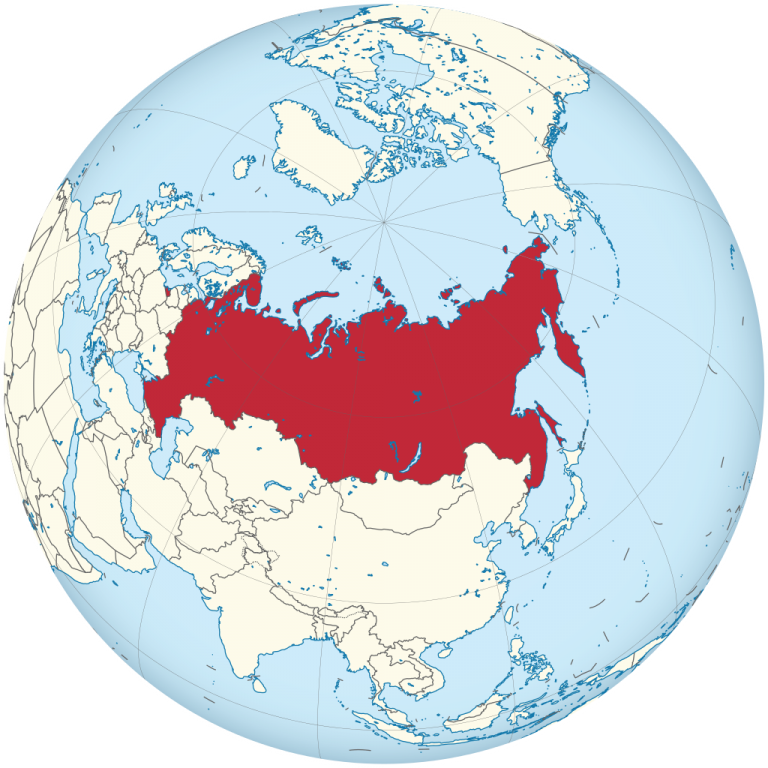
China and the US have different geopolitical imperatives, so tensions are bound to increase between the two powers. Russia’s position in the nascent confrontation will be important to watch, as it is simultaneously under pressure from the West and in the shadow of Chinese economic strength. Russia will likely see US-China competition as providing an opportunity to improve its own geopolitical position.
In an unprecedented television interview on May 30, Syrian President Bashar Assad made detailed comments about his army’s alleged non-use of chemical weapons (CW). Referring to the (confirmed) employment of chemical weapons in Douma on April 7 and the subsequent US-British-French retaliatory raid, Assad claimed that CW had not been used by anyone (rather than by the rebels, as is usually contended).
Four decades after they emerged as marginal parties in the 1970s, Turkey’s militant Islamists and ultranationalists won a combined 53.6% of the national vote and 57% of parliamentary seats. President Recep Tayyip Erdoğan has said in the past that he would make foreign policy “in line with what my nation demands,” highlighting the Islamist sensitivities of his voter base. He will now add nationalist sensitivities to that foreign policy calculus. This will likely mean confrontations with nations both inside and outside Turkey’s region.
Anti-Semitism is the most insidious hatred in history. Aversion to Jews has flourished under so many circumstances that it is hard to find a common denominator accounting for its manifold manifestations. However, there have been periods when non-Jews showed strong sympathy and solidarity towards Jews. Perhaps the best illustration of this friendship is modern America.

Accessibility Toolbar