PSCRP

Chechnya and Ingushetia (AI generated map)
Chechens (Nokhchi) and Ingush (Galgai) are two closely related peoples. Not only are they neighbors: they share religion (Sufi Sunnism), tribal (teip) social structure, traditions, mutually intelligible languages, and historical fate: both peoples were subject to deportation in 1944. The prerequisites for the territorial dispute were laid with the redrawing of the borders of the restored autonomy after the return of the Vainakhs from deportation.
Monitoring (AI generated)
The April issue of our monitoring turned out to have a certain bias towards historical themes. We did not plan this initially, but researchers are increasingly turning to historicism and the historical method as a reliable support in the rapidly changing, fragmented flow of events. The political process – both global and in the countries of the former USSR – has noticeably accelerated in recent months, and it is possible to correspond to these changes only with clear guidelines in the historical field.
Tallinn (photo by P. Oskolkov)
On 26 March 2025, the Estonian parliament (Riigikogu) voted on changing the country’s constitution in the part defining who is eligible to vote in local (municipal, in the case of cities) elections. On the surface, this measure does not look extraordinary, however, if we take into account the context of the Estonian sociodemographic situation, it becomes clear why the issue of municipal suffrage turned into one of the most discussed Estonian news topics in recent months.
Illustration
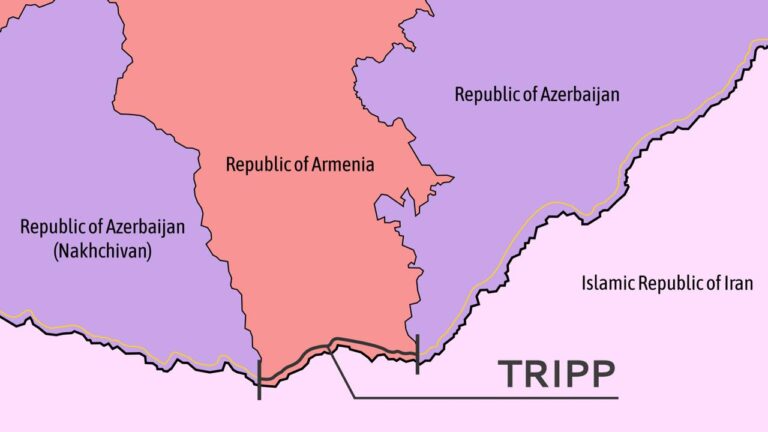
In the first part of the study, we showed that it was the position of Georgia's business elites that influenced the country's political course, shifting its vector from European integration to the Russian direction. This position is in no way connected with any phobias or personal preferences of Georgian-Russian magnates. The situation in Armenia is partly similar to Georgia, but has some peculiarities. We will talk about these peculiarities in detail and particulars in the second part of the publication.
Black hole (AI generated)
Since the Kremlin launched its full scale invasion of Ukraine in 2022, Russia has begun acting like a geopolitical black hole in its own neighborhood. Facing Western sanctions and battlefield losses, Moscow is accelerating the draw on the two most dynamic economies in Central Asia — Kazakhstan and Uzbekistan — through energy deals, trade manipulation and political theatre. The closer these states drift, the harder (and costlier) it will be for them to break free.
Islamists in Russia (AI generated)
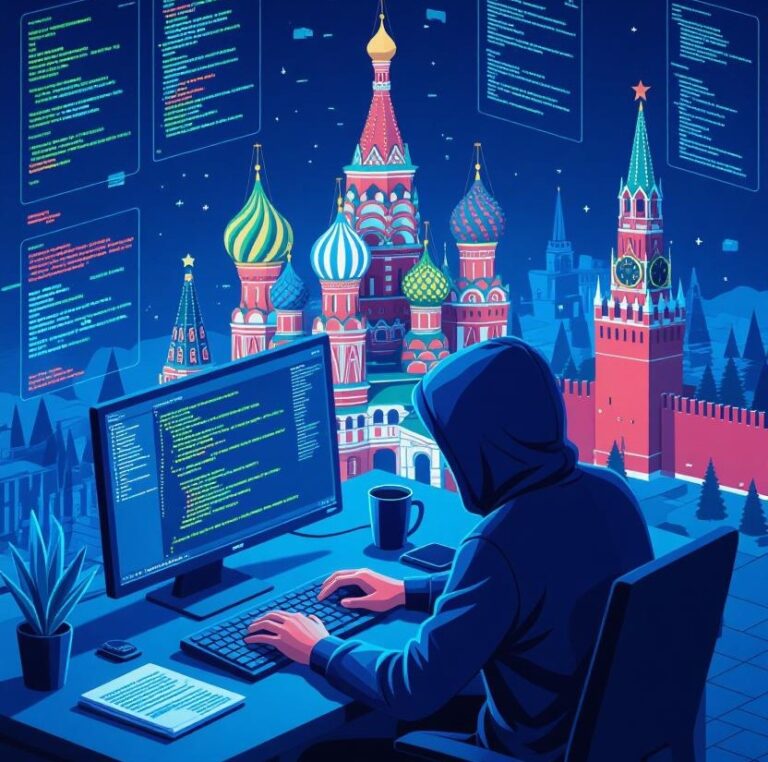
Russia’s attitude toward Islamists in general, and radical Islamist movements in particular, is neither consistent nor unambiguous. In its foreign policy, Russia actively supports Hezbollah and Hamas, which has been especially evident during the current Arab-Israeli war. The patron and protector of these and numerous other terrorist Islamist organizations, the Islamic Republic of Iran, is one of Russia's strategic partners. This partnership was formalized in the Comprehensive Strategic Partnership Agreement signed on January 17, 2025.
Grozny (Shutterstock)
The regime cannot afford a “third Chechen war”, so after Kadyrov it will continue its policy of extremely harsh crackdowns and bribery of local elites. Since Kadyrov has no unconditional and universally recognized successor, it is possible that attempts will be made to build complex combinations based on a balance of interests of a number of key figures, with the federal center retaining the role of arbiter.

Accessibility Toolbar