In November 2024, the PSCRP program at the BESA Center published analytical materials covering three subregions of the post-Soviet area, namely, Central Asia, “the West” (focusing this time on Moldova, Ukraine, and Russia), and the South Caucasus.
Recent events in the UAE and Central Asia show that Iran is again boosting recruitment of individuals from former Soviet republics for various purposes, including terrorist attacks and intelligence-gathering activities. Tehran plans to use these individuals directly against Israeli "targets" this time.
In the first decade of independence, Ukraine was quite distinctly divided into a number of regions, which differed greatly from each other in terms of ethno-identification and linguistic composition: Western, Central, Southern and Eastern Ukraine. Outside of Western Ukraine, addressing strangers in Ukrainian by default in both official and everyday communication was not the norm.
Kazakhstan refuses to join BRICS, an organization that Russia (and to some extent China) sees as an alternative to the Western-centric world order. Clearly, such a decision inevitably invites retaliatory pressure from Russia. To offset this to some extent, and for a number of other pragmatic reasons, Kazakhstan continues to actively participate in BRICS+ activities.
On the night of November 19, a strike targeted the 1046th Logistics Support Center of the Russian Armed Forces near the city of Karachev in the Bryansk region. The Ukrainian Defense Forces (UDF) used American ATACMS ballistic missiles to carry out this strike, according to media reports.
Russian prisons have long been battlegrounds for influence among various criminal factions, each striving for control over the prison’s internal economy and hierarchies. Traditionally, the power in Russian penitentiaries has been held by groups following the thieves-in-law ("vor v zakone") code. However, the prison landscape in Russia has been changing.
On November 8, the Central Election Commission of Moldova announced the official results of the presidential elections in the Republic of Moldova. With 55% of the votes, Maia Sandu won in the second round, while her opponent Alexandru Stoianoglo gained 44.8%. Despite this result, the election did not become a triumph for the presidential team.
The Islamist-led uprisings have often been ignited by conflicts over prison conditions and alleged mistreatment by guards, which Islamist leaders have used as rallying points. These leaders, drawing on religious motivations, present their actions as part of a broader “struggle” against an oppressive system. The uprisings have included organized sit-ins, hunger strikes, and, in more severe cases, violent clashes with guards.
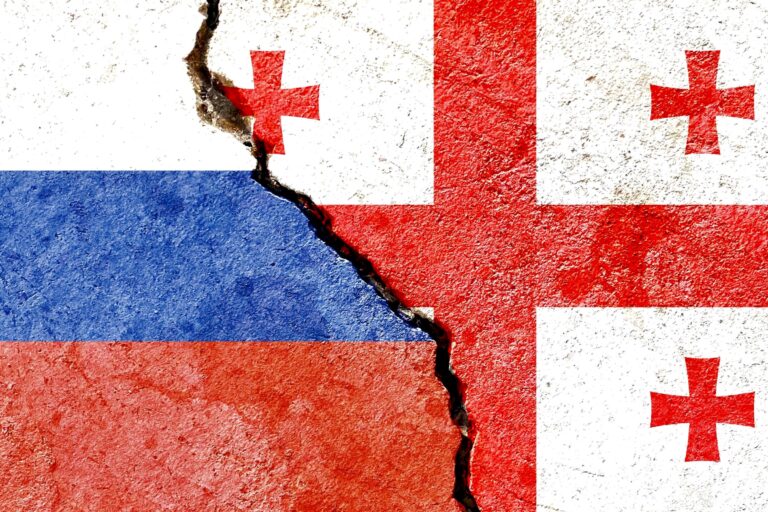
For the past two decades, the European Union has actively pursued influence in the post-Soviet region. France, attempting to align countries like Georgia with Western political and economic frameworks, plays a prominent role in this trend.