PSCRP

Russian involvement in Armenia through the Church (AI generated)
With parliamentary elections scheduled for 2026, Armenia’s political direction is entering a decisive phase. Prime Minister Pashinyan’s government is positioning itself as a reformist, pro-European force, while the Church-aligned opposition — increasingly backed by oligarch money and networks tied to Moscow — is framing the administration as traitorous and illegitimate. The recent arrests of clerics and figures like Samvel Karapetyan can be seen as a preemptive move to weaken this alliance before it consolidates into a formal electoral challenge.
Monitoring (AI generated)
September has traditionally been a month of heightened academic and scholarly activity, and September 2025 is no exception. Two of the pieces featured in this issue present diametrically opposed interpretations of what, in the authors’ view, is happening in the Fergana Valley — long described as a “glass of water around which thirst-stricken enemies have gathered.” The materials exploring the underlying causes of conflicts in the South Caucasus — in Georgia and Karabakh — as well as the military-analytical piece on the role of the Russian Orthodox Church, will also be of great interest.
The National Flag of the Altai People, Designed in 1917 by Grigory Choros-Gurkin
In recent months, the Republic of Altai—a remote region in southern Siberia—has become an unexpected center of political unrest in Russia. The arrest of local activist Aruna Arna has drawn attention to growing tensions between Moscow’s centralized rule and regional demands for autonomy, revealing deeper social, ethnic, and environmental grievances simmering across Russia’s peripheries.
East or West? (AI generated illustration)
The core element in the foreign policy of post-Soviet countries in Central Asia and the South Caucasus is so-called multivectoralism: maintaining relations with multiple global actors without binding themselves exclusively to any single one. These states seek to balance ties with the China–Russia axis and the collective West (including the USA and the EU—although it should be noted that the internal fragility of this grouping has never been as evident as it is now).
Between Moscow and China (Grok illustration)
At the United Nations General Assembly this year, Kyrgyz President Sadyr Japarov did not disguise where Bishkek’s loyalties lie. In his speech, he castigated Western sanctions on Kyrgyz banks and reaffirmed that his country would not sever ties with Russia. That intervention was not just diplomatic theater. It was a blunt reminder that Kyrgyzstan’s leadership views Moscow not as an optional partner but as the central axis of its political and economic survival.
On September 1, the EU’s ultimatum to Georgia expired, threatening the suspension of visa-free travel unless controversial laws targeting NGOs and LGBT rights were repealed and repression against protesters ceased. The Georgian leadership not only ignored these demands but doubled down, while simultaneously seeking to restore ties with the U.S. and continuing to serve as a key hub for Russian sanctions evasion. The unfolding situation raises questions about Europe’s leverage, Washington’s stance, and the risks of Georgia drifting further into Moscow’s orbit.
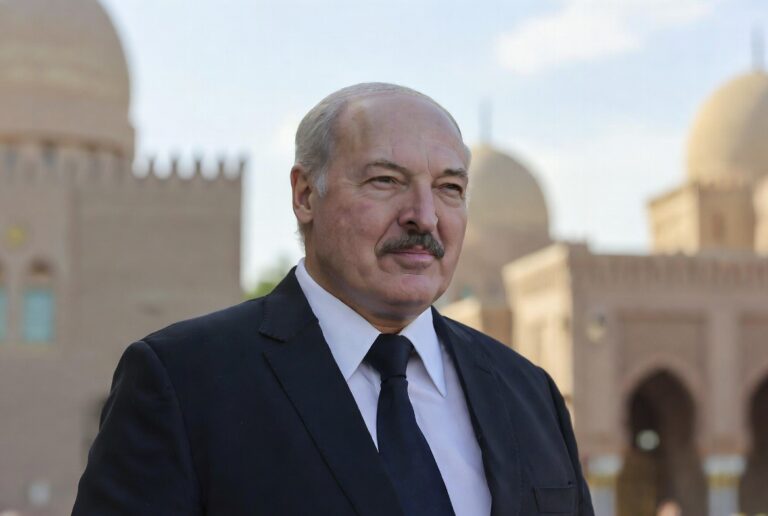
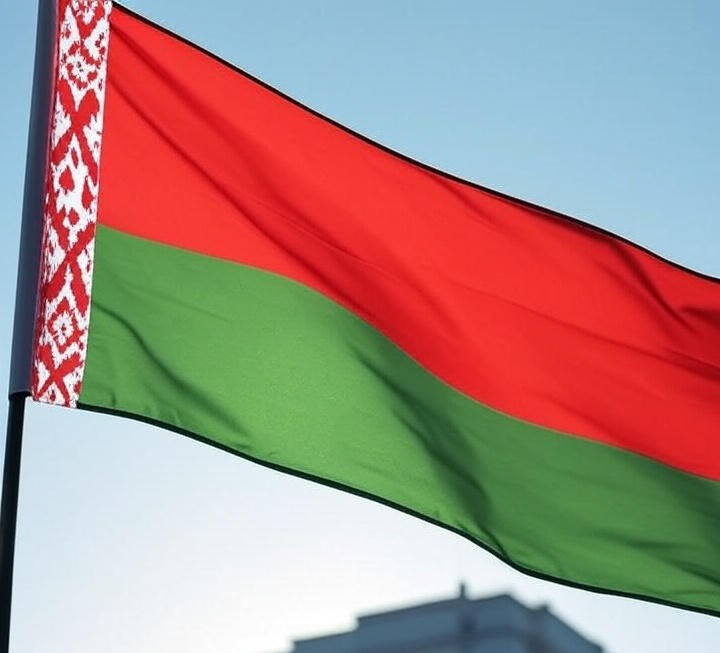
Belarus flag (AI generated)
In recent years, questions of national identity have become central to understanding political and social developments across the post-Soviet space. This report compares the Ukrainian and Belarusian experiences, showing how divergent perceptions of identity can lead to violent conflict, while also explaining why Belarus has thus far avoided such outcomes.
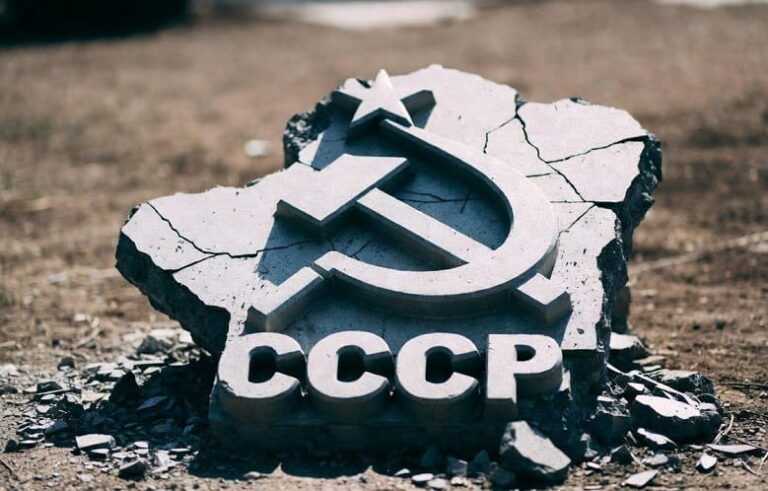
AI illustration
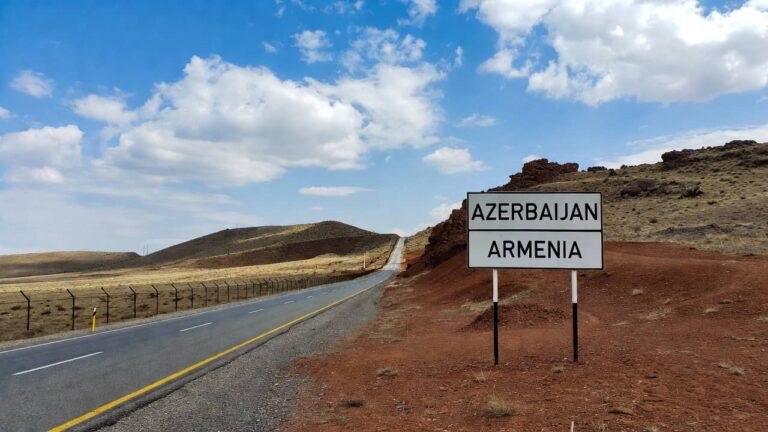
Since the initialing of the peace treaty text between Azerbaijan and Armenia, as well as the signing of the joint declaration by the two countries’ leaders in Washington on August 8, 2025, Russia has been escalating its information warfare in the South Caucasus. Using a “carrot and stick” approach, Moscow seeks to portray itself as a wronged party supposedly striving to improve relations, while simultaneously fueling escalation and preparing its own population for the possibility of conflict in the south.

Accessibility Toolbar