PSCRP

Taliban in Moscow (AI generated)
In July 2025, Russia became the first permanent member of the UN Security Council to officially recognize the Taliban as the legitimate government of Afghanistan. This landmark decision followed years of gradual diplomatic engagement and reflected shifting geopolitical priorities in Moscow. The move carries significant implications for regional security, international law, and the balance of power across Central and South Asia.
AI generated illustration (Grok)
June is not only the end of the academic year but also the end of the “analytical year” for many research centers. And sometimes—as happened with the report we are presenting, The German Marshall Fund—this is a summary of the research results for several years at once. This report could serve as a model for considering industry issues in the context of political influence.
Iran in Central Asia
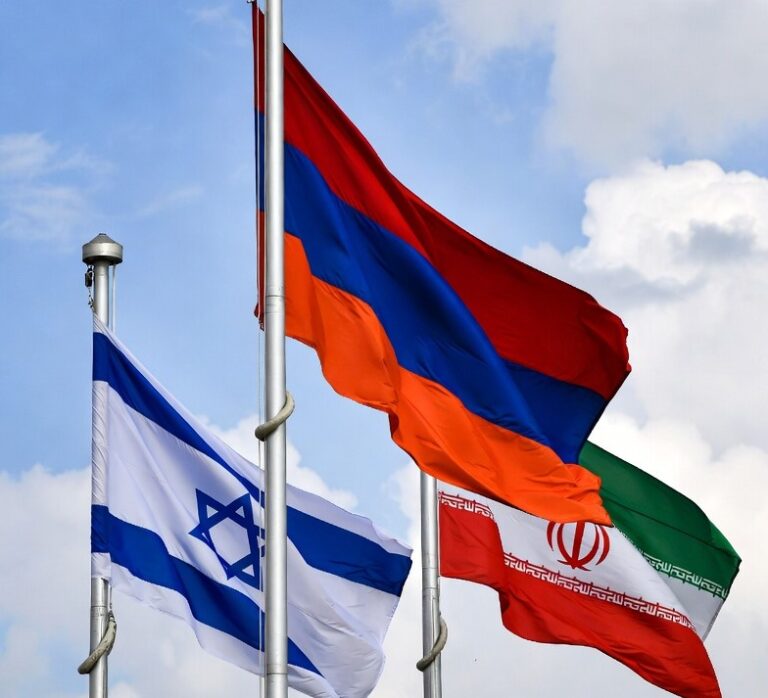
As tensions escalate between Iran and Israel, the regional implications extend beyond the immediate theater of conflict. This report examines the strategic calculus of Muslim-majority states bordering Iran to the northeast—particularly in Central and South Asia—which have thus far resisted alignment with Tehran’s most confrontational positions. Focusing on Pakistan's response, the analysis explores the geopolitical, sectarian, and domestic constraints shaping these countries' cautious stance toward Iran’s regional ambitions.
On October 29, 2023, around 1,500 men carried out an antisemitic pogrom at Makhachkala’s Uytash Airport, storming the terminal and airfield, attacking property, and searching for Jews after a flight from Tel Aviv landed. Police failed to stop the violence, and twenty people were injured. In the months since, investigations have revealed more about the causes, actors, and implications of the incident, highlighting ongoing risks of antisemitic violence in the region.
Dagestan is one of the few Russian regions where grassroots protest activity remains persistent and visible, despite increasing pressure from the central government. These protests are driven by local grievances ranging from failing infrastructure to unresolved land disputes, and are typically fragmented, spontaneous, and low in impact. However, as this report demonstrates, under certain conditions, they can expose deeper systemic weaknesses and even catalyze broader unrest.
NuclearThreat (AI generated)
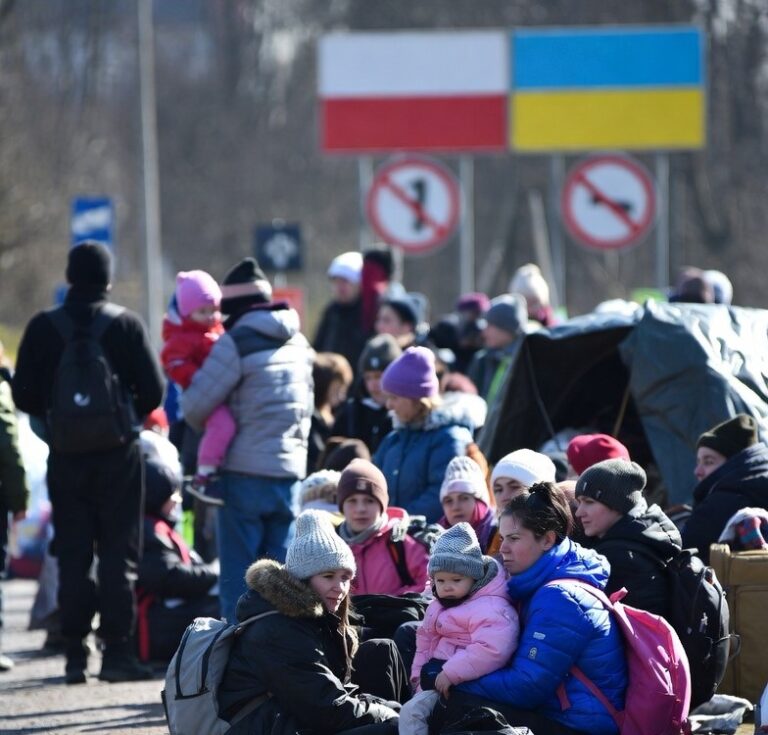
Public "nuclear" fears associated with the war in Ukraine are largely related to the threat of tactical nuclear weapons use by Russia. However, the less visible "nuclear" dimension of the war—with more tangible impact—is the effect of the conflict on nuclear sites in Ukraine. This report explores how the conflict has placed Ukraine’s nuclear facilities at the center of a uniquely perilous dimension of modern warfare.

Accessibility Toolbar